
Can Quitting Smoking and Drinking Really Reduce Anxiety?
Unveiling the Truth: Can Quitting Smoking and Drinking Really Reduce Anxiety?
Introduction: Anxiety is a common issue affecting millions of people worldwide. While there are various methods to alleviate anxiety, one question that often arises is whether quitting smoking and drinking can truly help reduce anxiety levels. In this article, we will explore the relationship between these habits and anxiety, providing insights based on scientific research and expert opinions.
I. The Impact of Smoking on Anxiety
-
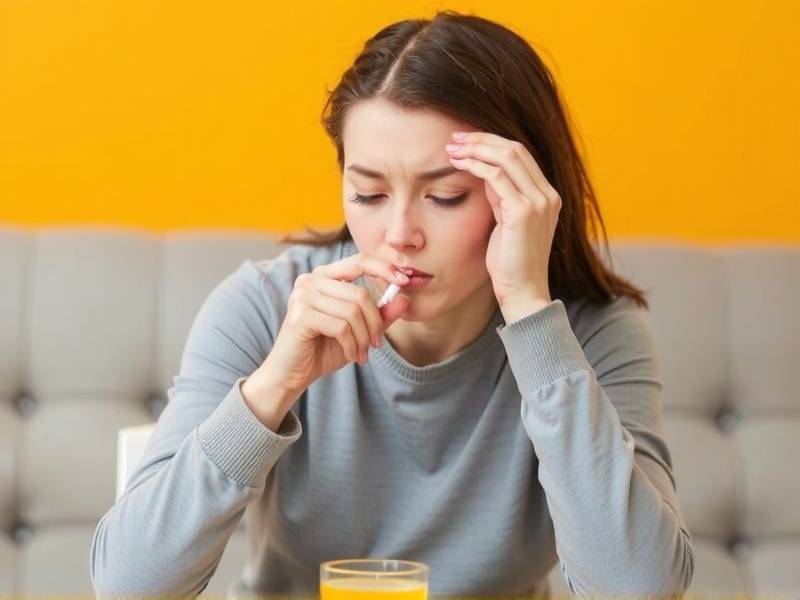
Nicotine as a Stimulant: Smoking contains nicotine, a stimulant that can temporarily alleviate anxiety symptoms by increasing adrenaline levels in the body. However, this relief is short-lived, leading to increased anxiety over time.
-
Withdrawal Symptoms: When individuals quit smoking, they may experience withdrawal symptoms such as irritability, restlessness, and increased anxiety. These symptoms can persist for several weeks or even months.
-
Long-term Effects: Long-term smoking has been linked to various mental health issues, including anxiety disorders. The constant exposure to nicotine can alter brain chemistry and contribute to the development of anxiety.
II. The Role of Alcohol in Anxiety
-
Temporary Relief: Similar to smoking, alcohol can provide temporary relief from anxiety symptoms by reducing stress hormones in the body. However, this relief is often followed by a rebound effect, causing increased anxiety levels after alcohol consumption.
-
Dependency and Withdrawal Symptoms: Alcohol dependency can exacerbate anxiety symptoms, making it more challenging for individuals to manage their stress levels without resorting to drinking.
-
Long-term Effects: Chronic alcohol consumption has been associated with an increased risk of developing anxiety disorders due to its impact on brain chemistry and overall mental health.
III. Quitting Smoking and Drinking: A Potential Solution
-
Gradual Reduction: Instead of quitting abruptly, individuals can gradually reduce their smoking and drinking habits under medical supervision. This approach allows the body to adjust gradually while minimizing withdrawal symptoms.
-
Alternative Coping Strategies: Finding healthy coping mechanisms is crucial when quitting smoking and drinking. Activities such as exercise, meditation, and therapy can help manage anxiety levels effectively.
-
Support Systems: Seeking support from friends, family members, or support groups can provide emotional support during the quitting process and help maintain motivation.
Conclusion: While quitting smoking and drinking may not be a magic solution for everyone suffering from anxiety, it is an essential step for many individuals seeking long-term relief from their symptoms. By addressing these habits head-on and adopting healthier coping strategies, individuals can improve their mental health and reduce their reliance on potentially harmful substances.

Remember that seeking professional help from healthcare providers or mental health experts is crucial when dealing with severe anxiety or addiction issues related to smoking or drinking.