
How to Heal Your Lungs After Quitting Smoking: Effective Tips and Strategies
Introduction: The Journey to Lung Recovery
Quitting smoking is a significant step towards improving your health, and one of the most immediate benefits is the potential for lung recovery. The journey to healing after years of smoking can be challenging, but with the right strategies and tips, you can accelerate the process. This article will guide you through effective methods to heal your lungs after quitting smoking.
Understanding Lung Damage from Smoking
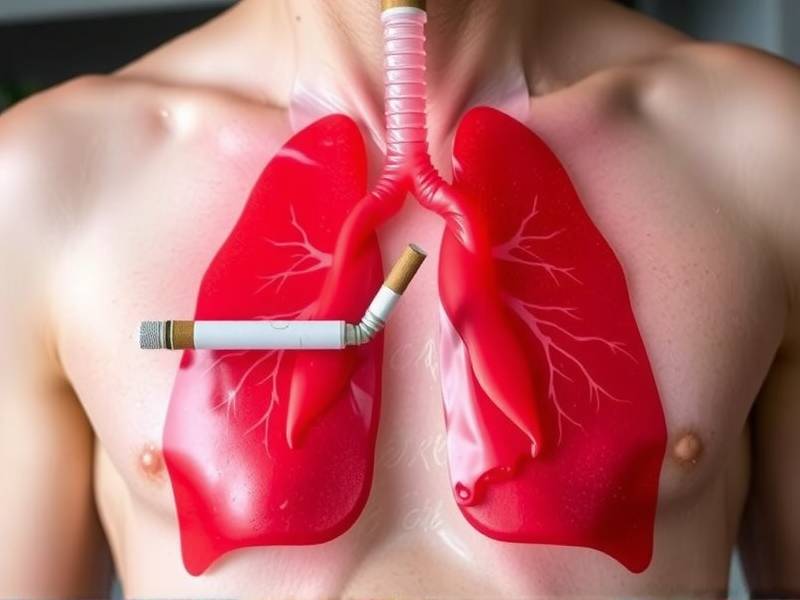
Before diving into the healing process, it's important to understand the extent of lung damage caused by smoking. The harmful chemicals in tobacco smoke can lead to chronic obstructive pulmonary disease (COPD), emphysema, and even lung cancer. By quitting, you give your lungs a chance to repair and regenerate.
Step 1: Kickstart the Healing Process
Immediate Changes After Quitting
Within hours of quitting, your body begins its healing process. Carbon monoxide levels drop, oxygen levels rise, and your heart rate and blood pressure start to normalize. These initial changes set the stage for long-term recovery.
Create a Support System
Surround yourself with people who support your decision to quit smoking. This could include friends, family, or support groups dedicated to helping smokers quit. Sharing your journey with others can provide motivation and encouragement.
Step 2: Adopt a Healthy Lifestyle
Increase Physical Activity
Regular exercise improves lung function and helps remove toxins from your body. Activities like walking, swimming, or cycling are excellent choices for those just starting their lung recovery journey.
Maintain a Balanced Diet
A diet rich in fruits, vegetables, lean proteins, and healthy fats can support lung health. Foods high in antioxidants like berries and dark leafy greens can help combat oxidative stress caused by smoking.
Step 3: Manage Stress Levels
Stress can exacerbate symptoms related to lung damage. Techniques such as meditation, deep breathing exercises, or yoga can help manage stress levels and promote overall well-being.
Step 4: Avoid Exposure to Harmful Substances
Continuing exposure to secondhand smoke or other pollutants can hinder your lungs' healing process. Ensure you're in a smoke-free environment and take precautions against other respiratory irritants.
Step 5: Use Supplements Wisely
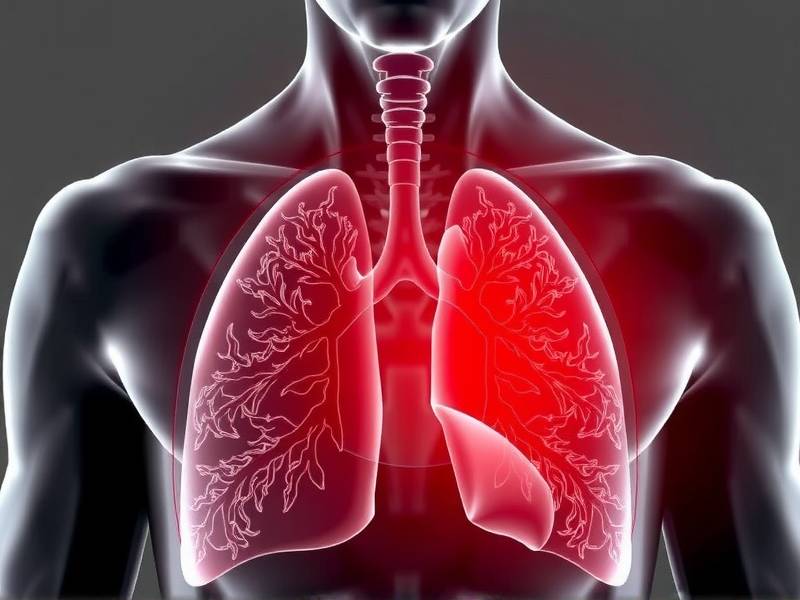
While there's no magic supplement that will instantly heal damaged lungs, certain vitamins and minerals may support lung health:
- Vitamin C helps reduce inflammation.
- Vitamin E has antioxidant properties.
- Beta-carotene supports immune function.
- Magnesium helps relax airways.
Always consult with a healthcare professional before starting any new supplement regimen.
Step 6: Regular Check-ups
Regular medical check-ups are crucial for monitoring your lung function over time. Pulmonary function tests (PFTs) can measure how well your lungs are working and detect any potential issues early on.
Conclusion: A Path to Healthier Lungs
Healing your lungs after quitting smoking is a gradual process that requires patience and dedication. By following these steps—understanding the damage caused by smoking, adopting a healthy lifestyle, managing stress levels, avoiding harmful substances, using supplements wisely—and maintaining regular check-ups with healthcare professionals—you'll be well on your way to healthier lungs. Remember that every puff you don't take is one step closer to better health.