How Long Until Lung Function Improves After Quitting Smoking?
The Journey to Better Health
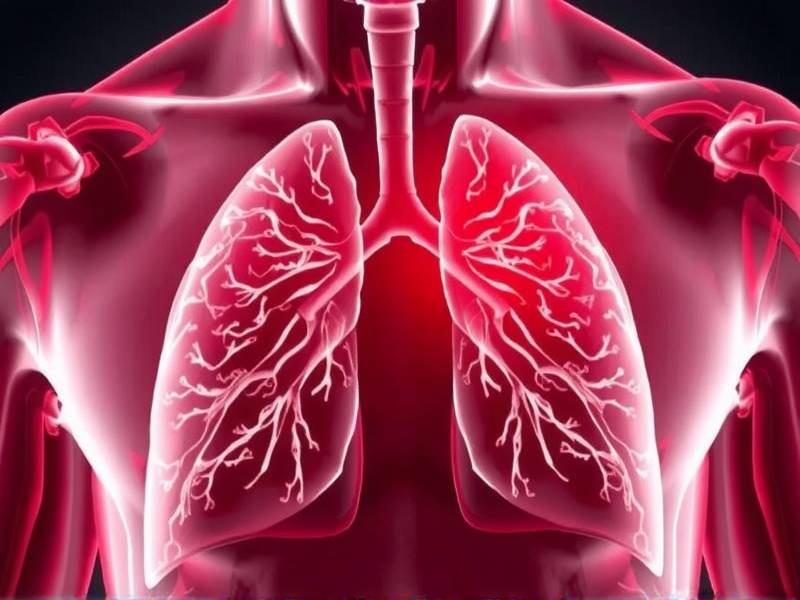
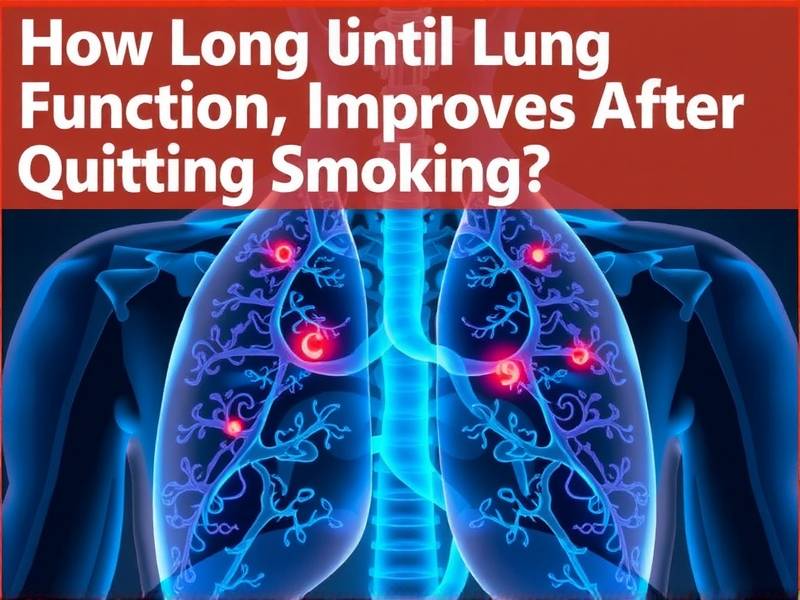
Quitting smoking is a significant step towards improving overall health, particularly for the lungs. Many smokers are eager to know how quickly they can expect to see improvements in their lung function after kicking the habit. This article delves into the timeline of lung function recovery post-quitting and provides insights from medical research.
Immediate Benefits
The First Few Days
As soon as you quit smoking, your body begins to undergo immediate changes. Within hours, carbon monoxide levels drop, and your blood oxygen levels rise. This can lead to an increased sense of energy and vitality.
The First Week
After about a week, you might notice that your cough becomes less frequent and more productive. This is as your body starts to clear out the mucus and debris that smoking has left behind in your lungs.
Short-Term Improvements
The First Month
Within a month of quitting, you can expect a noticeable improvement in lung function. Your respiratory rate may decrease, and you'll likely find it easier to breathe during physical activity.
The First Year
One year after quitting, your risk of heart disease decreases significantly, and your lungs continue to clear out toxins. You may also experience fewer respiratory infections and a reduced cough.
Long-Term Recovery
Beyond One Year
After one year without smoking, many people report feeling significantly better. Their lung capacity continues to improve as their lungs heal from the damage caused by tobacco smoke.
Five Years Later
Five years post-quitting, the risk of stroke decreases by about 50%, similar to that of someone who has never smoked. Lung cancer risk also starts to decline at this point.
Ten Years After Quitting
Ten years after quitting smoking, the risk of dying from lung cancer is about half that of a continuing smoker. Your overall health continues to improve with each passing year without tobacco.
Factors Influencing Recovery Time
It's important to note that everyone's recovery timeline is different. Several factors can influence how quickly lung function improves:
- Duration of Smoking: Longer smoking histories may require more time for full recovery.
- Age: Younger individuals often recover faster than older smokers.
- Amount Smoked: Heavier smokers may experience more significant improvements over time.
- Genetic Factors: Some individuals have genetic predispositions that can affect recovery rates.
- Overall Health: Smokers with existing health conditions may have different recovery timelines.
Conclusion
Quitting smoking is a powerful decision that sets the stage for improved lung function and overall health. While the timeline for recovery varies among individuals, most smokers can expect gradual improvements within weeks and months after quitting. Patience and persistence are key as you embark on this transformative journey towards better health.
Remember, it's never too late to quit smoking—your lungs will thank you for years to come!