Why Do Gums Bleed When You Quit Smoking? The Science Behind the Issue
Why Do Gums Bleed When You Quit Smoking? Unveiling the Science Behind the Issue
Introduction: Quitting smoking is a significant step towards improving one's health. However, many individuals experience unexpected challenges during the process, such as bleeding gums. This article delves into the science behind why gums may bleed when you quit smoking and offers insights into managing this issue effectively.
Understanding Gum Bleeding:
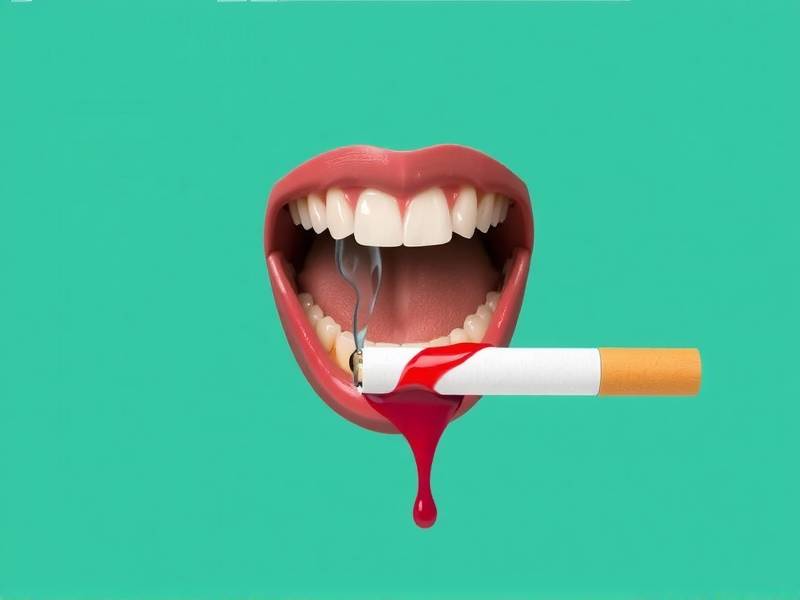
1. The Impact of Smoking on Gums: Smoking not only damages your lungs but also affects your oral health. The harmful chemicals in cigarettes can lead to gum disease, a condition where the gums become inflamed and infected.
2. Gum Disease and Bleeding: Gum disease progresses through various stages, starting with gingivitis. During this early stage, your gums may become red, swollen, and bleed easily when you brush or floss. As the disease progresses, it can lead to more severe conditions like periodontitis, which can cause tooth loss.
3. The Role of Nicotine: Nicotine is a key component of cigarettes that contributes to gum bleeding when you quit smoking. This substance causes blood vessels in your gums to constrict, reducing blood flow and making them more susceptible to bleeding.
The Science Behind Gum Bleeding After Quitting Smoking:
1. Withdrawal Symptoms: When you quit smoking, your body experiences withdrawal symptoms as it adjusts to the absence of nicotine. One of these symptoms is an increased sensitivity in your gums, leading to bleeding.
2. Increased Blood Flow: As your body eliminates nicotine and other harmful substances from your system after quitting smoking, blood flow to your gums improves. This increased blood flow can make your gums more prone to bleeding as they heal.
3. Healing Process: The healing process after quitting smoking can take time. Your gums may become inflamed and bleed as they repair themselves from the damage caused by years of smoking.
Managing Gum Bleeding:
1. Regular Oral Hygiene: Maintaining good oral hygiene is crucial when quitting smoking. Brush your teeth at least twice a day with a soft-bristled brush and use fluoride toothpaste to strengthen tooth enamel.
2. Flossing Regularly: Flossing removes food particles and plaque between teeth that brushing cannot reach, reducing the risk of gum disease and bleeding.
3. Avoiding Harmful Substances: Limit exposure to other harmful substances like alcohol and caffeine that can exacerbate gum bleeding during the healing process.
Conclusion:
Bleeding gums when you quit smoking are a common issue due to the healing process of damaged gums and increased blood flow in response to nicotine withdrawal. By adopting good oral hygiene practices and being patient during this healing period, you can manage gum bleeding effectively while taking significant strides towards better health through quitting smoking.