
Can Lungs Hurt After Quitting Smoking?
The Journey Beyond Smoking: Can Lungs Hurt After Quitting?
Introduction: The decision to quit smoking is a monumental step towards a healthier life. However, many smokers wonder about the aftermath of quitting. One common concern is whether the lungs can hurt after giving up the habit. This article delves into this topic, offering insights and dispelling myths.
Understanding the Post-Quitting Experience
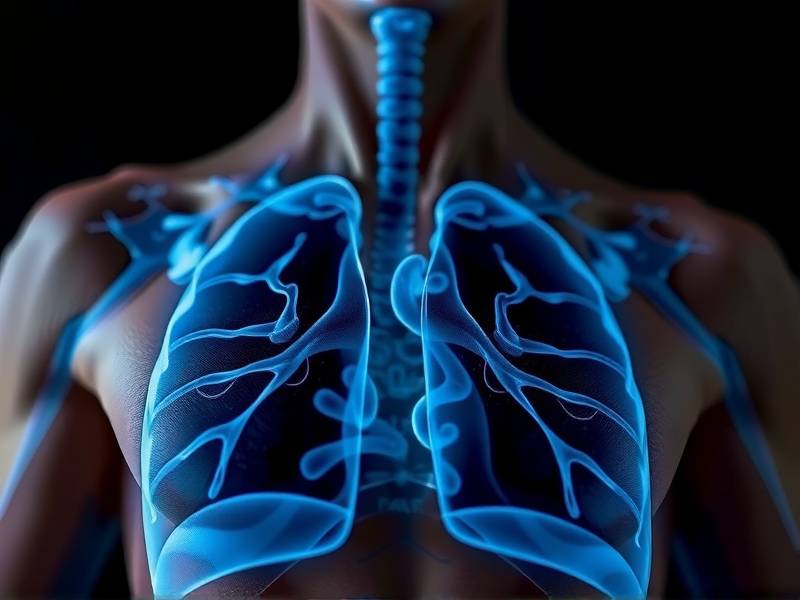
1. The Healing Process After quitting smoking, the body begins a remarkable healing process. The lungs, in particular, start to repair and regenerate. It's important to understand that any discomfort or pain felt post-quit is typically part of this healing journey.
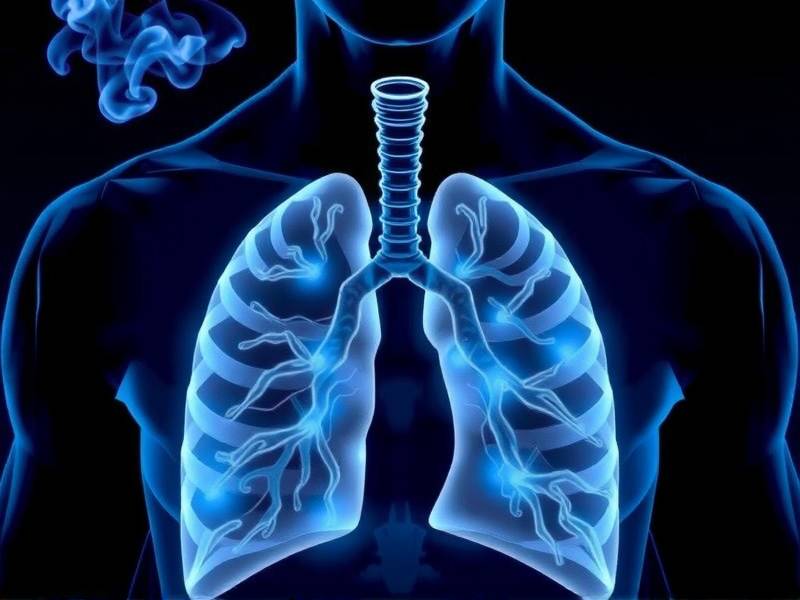
2. Temporary Discomfort Many individuals report experiencing temporary discomfort in their lungs after quitting smoking. This can include a persistent cough, chest tightness, or even slight pain. These symptoms are often due to the body's effort to expel tar and toxins that have accumulated over time.
3. The Role of Nicotine Withdrawal Nicotine withdrawal can also contribute to these symptoms. Without nicotine, which is an irritant to the respiratory system, the body may react differently and cause some discomfort as it adjusts.
Common Symptoms and How to Manage Them
1. Coughing One of the most common symptoms experienced after quitting smoking is coughing. This is often due to the body clearing out mucus that has built up in the lungs over time.
- Tips for Relief: Stay hydrated, use saline nasal sprays if necessary, and consider steam inhalation or humidifiers to help loosen mucus.
2. Chest Tightness Chest tightness can be unsettling but is generally not a sign of serious damage.
- Relief Measures: Gentle breathing exercises and avoiding triggers like smoke or dust can help alleviate chest tightness.
3. Shortness of Breath Shortness of breath might occur initially but usually improves as lung function returns to normal.
- Management Strategies: Regular physical activity can enhance lung capacity and reduce shortness of breath over time.
Long-Term Benefits of Quitting Smoking
It's crucial to remember that while there might be temporary discomfort after quitting smoking, the long-term benefits are immense:
- Reduced Risk of Chronic Conditions: Quitters lower their risk of developing chronic obstructive pulmonary disease (COPD), lung cancer, and other respiratory issues.
- Improved Lung Function: Over time, lung function improves significantly.
- Enhanced Quality of Life: Quitting smoking leads to better overall health and well-being.
Conclusion: While it's natural to feel concerned about potential discomfort in your lungs after quitting smoking, remember that these symptoms are generally part of the healing process. With patience and support, you can navigate through these challenges and enjoy a healthier life free from tobacco smoke's harmful effects. Embrace this journey with determination and compassion for yourself; your lungs—and your entire body—will thank you later on.