
I've Got Stage 1 COPD and Quit Smoking, But My Phlegm's Still Brown - What to Do?
"Navigating Through Stage 1 COPD: Quit Smoking and the Persistent Brown Phlegm - A Guide"
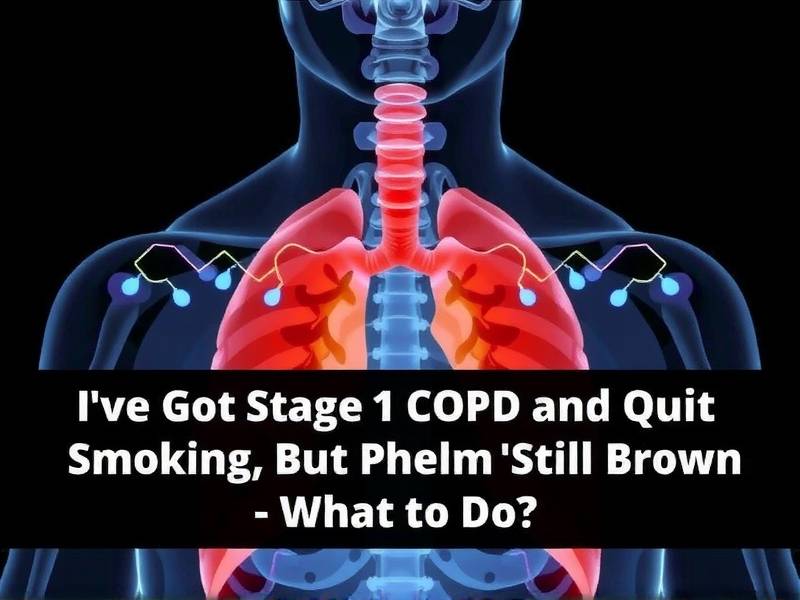
Introduction: Chronic Obstructive Pulmonary Disease (COPD) is a chronic lung disease that makes breathing difficult. If you've been diagnosed with Stage 1 COPD and have quit smoking, it's natural to feel hopeful. However, dealing with persistent brown phlegm can be concerning. This article delves into the reasons behind this issue and offers practical solutions to help you manage your condition effectively.
Understanding Brown Phlegm in COPD
What Causes Brown Phlegm? Brown phlegm in individuals with COPD can be attributed to several factors:
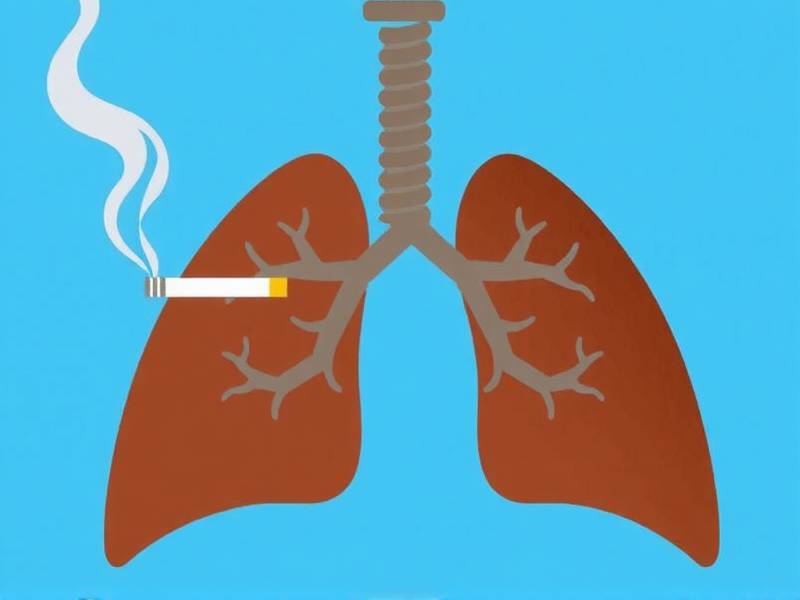
- Residual Tar: Even after quitting smoking, the tar and other harmful substances from tobacco can linger in your lungs for an extended period.
- Inflammation: The inflammation caused by COPD can lead to increased mucus production, which may appear brown due to the presence of blood cells.
- Bacterial Infections: Bacterial infections are common in COPD patients and can cause thick, brown mucus.
Managing Persistent Brown Phlegm
1. Stay Hydrated Drinking plenty of fluids helps thin out mucus, making it easier to cough up. Aim for at least eight glasses of water daily.
2. Practice Breathing Exercises Breathing exercises like pursed-lip breathing and diaphragmatic breathing can improve lung function and reduce mucus production.
3. Use a Humidifier A humidifier adds moisture to the air, which can help loosen mucus and make it easier to cough up.
4. Consider Medications Consult with your healthcare provider about medications that can help manage your symptoms. These may include bronchodilators, corticosteroids, or antibiotics if an infection is present.
Lifestyle Changes for Better Management
1. Avoid Triggers Identify and avoid environmental triggers like dust, pollen, smoke, and strong odors that can exacerbate your symptoms.
2. Maintain a Healthy Diet A balanced diet rich in fruits, vegetables, lean proteins, and whole grains can boost your immune system and overall health.
3. Regular Exercise Regular physical activity strengthens your respiratory muscles and improves lung function.
Seek Professional Guidance
If you're experiencing persistent brown phlegm despite quitting smoking and following these recommendations, it's crucial to seek professional guidance from your healthcare provider. They may conduct further tests or adjust your treatment plan to better address your specific needs.
Conclusion: Dealing with Stage 1 COPD can be challenging, but by quitting smoking and implementing these strategies to manage persistent brown phlegm, you can improve your quality of life. Remember that seeking professional advice is essential for personalized care tailored to your specific condition.