
How Long After You Quit Smoking Does Lung Function Improve?
Unveiling the Timeline: How Long Does It Take for Lung Function to Improve After Quitting Smoking?
Introduction: The decision to quit smoking is a significant step towards a healthier life. Many smokers are eager to know how quickly their lung function can improve after giving up the habit. In this article, we will explore the timeline of lung function recovery and shed light on the factors that can influence this process.
I. The Importance of Quitting Smoking Smoking is a leading cause of preventable deaths worldwide. It not only affects your lungs but also increases the risk of various health issues, including heart disease, stroke, and cancer. Quitting smoking can lead to significant improvements in your overall health and quality of life.
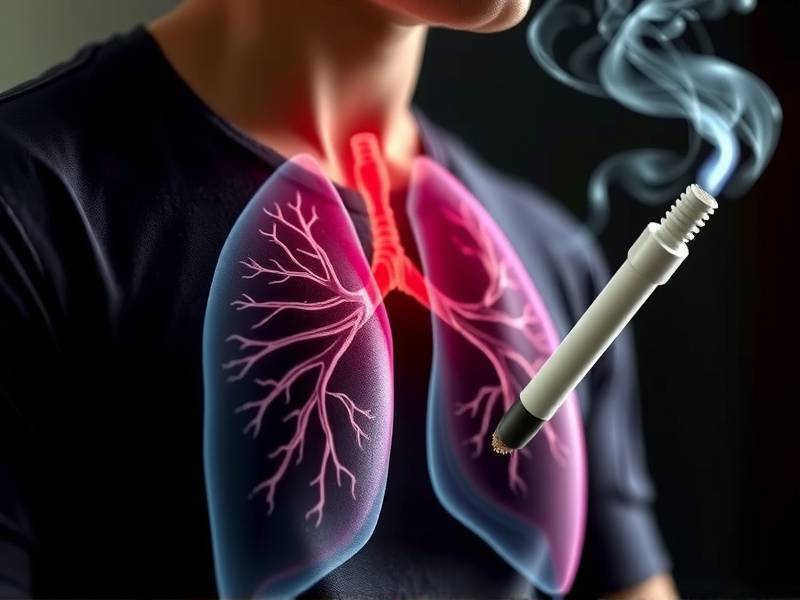
II. Immediate Benefits After Quitting Smoking Within minutes after quitting smoking, your body starts to recover from the harmful effects of tobacco. Some immediate benefits include:
- Decreased carbon monoxide levels in your blood
- Improved oxygen flow to your heart and muscles
- Reduced risk of heart attack or stroke
III. Short-term Improvements in Lung Function Within days to weeks after quitting smoking, you can expect several positive changes in your lung function:
- Increased lung capacity and reduced shortness of breath
- Improved sense of taste and smell
IV. Long-term Improvements in Lung Function Over time, as you continue to avoid smoking, your lung function will continue to improve:
- One Year: Your risk of heart disease decreases significantly.
- Five Years: Your risk of stroke decreases.
- Ten Years: Your risk of lung cancer decreases by about half compared to that of continuing smokers.
- Fifteen Years: Your risk of coronary heart disease is similar to that of a non-smoker.
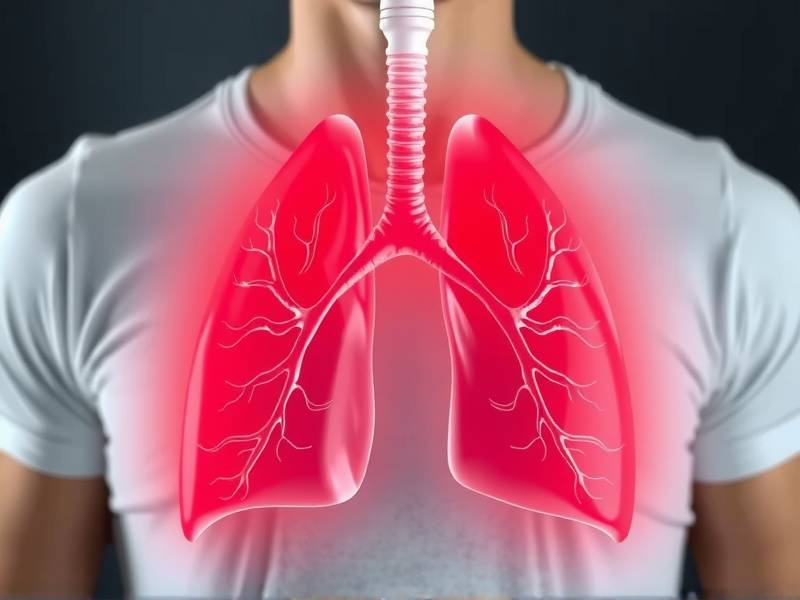
V. Factors Influencing Lung Function Recovery Several factors can affect how quickly your lung function improves after quitting smoking:
- The number of years you have smoked
- The amount you smoked per day
- The presence or absence of other respiratory conditions
VI. Tips for Maintaining Lung Health After Quitting Smoking To ensure optimal lung function recovery, consider the following tips:
- Stay away from secondhand smoke and pollution.
- Engage in regular physical activity.
- Maintain a healthy diet rich in fruits and vegetables.
- Get regular check-ups with your healthcare provider.
Conclusion: Quitting smoking is a challenging but rewarding journey towards better health. Understanding the timeline for lung function improvement can help motivate you during this process. By adopting healthy lifestyle habits and working closely with your healthcare provider, you can maximize the benefits gained from quitting smoking and enjoy a healthier future.
Remember, it's never too late to quit! Take that first step today and start reaping the rewards for a lifetime!