
How to Sleep Better After Quitting Smoking: Tips and Tricks for a More Restful Night
Introduction
The journey to quit smoking is challenging, but the rewards are immense. One of the most significant benefits of quitting smoking is improved sleep quality. Many smokers find that their sleep patterns improve after they kick the habit. In this article, we'll explore some tips and tricks to help you enjoy a more restful night after quitting smoking.
Understanding the Link Between Smoking and Sleep
Why Smokers Have Poor Sleep
Smoking affects the body in numerous ways, including disrupting your sleep cycle. Nicotine, a stimulant, can keep you awake at night by increasing heart rate and adrenaline levels. Additionally, withdrawal symptoms like anxiety and irritability can also make it difficult to fall asleep.
Benefits of Quitting Smoking for Sleep
Once you quit smoking, your body begins to repair itself. The following improvements in sleep quality are common:
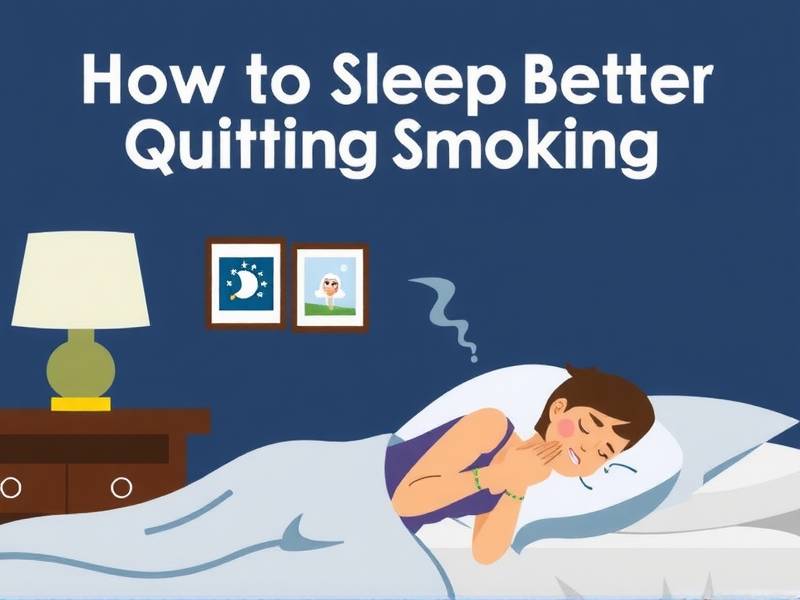
- Reduced Risk of Sleep Apnea: Smoking can increase the risk of sleep apnea, a condition that causes breathing interruptions during sleep.
- Improved Deep Sleep: Without nicotine's stimulating effects, you may experience deeper sleep stages.
- Less Frequent Awakening: Your body will no longer be woken up by nicotine withdrawal symptoms.
Tips for Better Sleep After Quitting Smoking
Establish a Pre-Sleep Routine
Creating a pre-sleep routine can signal to your body that it's time to wind down. Consider incorporating these elements into your routine:
- Dim Lights: Dimming the lights helps signal to your brain that it's time for sleep.
- Relaxing Activities: Engage in calming activities such as reading or meditating.
- Avoid Stimulants: Stay away from caffeine and nicotine before bedtime.
Create an Optimal Sleeping Environment
Your sleeping environment plays a crucial role in achieving good sleep:
- Keep Your Bedroom Cool and Dark: A cool room temperature (around 65°F or 18°C) and darkness are conducive to better sleep.
- Invest in Quality Bedding: Invest in comfortable pillows and a supportive mattress.
- Minimize Noise: Use earplugs or white noise machines if necessary.
Manage Stress Before Bedtime
Stress can make it difficult to fall asleep. Try these stress-reducing techniques:
- Mindfulness Meditation: Practice mindfulness meditation or deep breathing exercises before bed.
- Journaling: Writing down your thoughts and worries can help clear your mind.
Stay Active During the Day
Regular physical activity during the day can promote better sleep at night:
- Exercise Regularly: Aim for at least 30 minutes of moderate exercise most days of the week.
- Avoid Exercising Too Close to Bedtime: Give yourself at least three hours between exercise and bedtime.
Conclusion
Quitting smoking is a significant step towards better health, including improved sleep quality. By implementing these tips and tricks, you can enjoy more restful nights after quitting smoking. Remember that patience is key—your body may take some time to adjust to its new routine. With consistency and dedication, you'll soon experience the benefits of better sleep as part of your smoke-free life. Sweet dreams!