
Can Quitting Smoking Really Cause Upset Stomach?
Understanding the Connection Between Smoking Cessation and Digestive Discomfort
Introduction
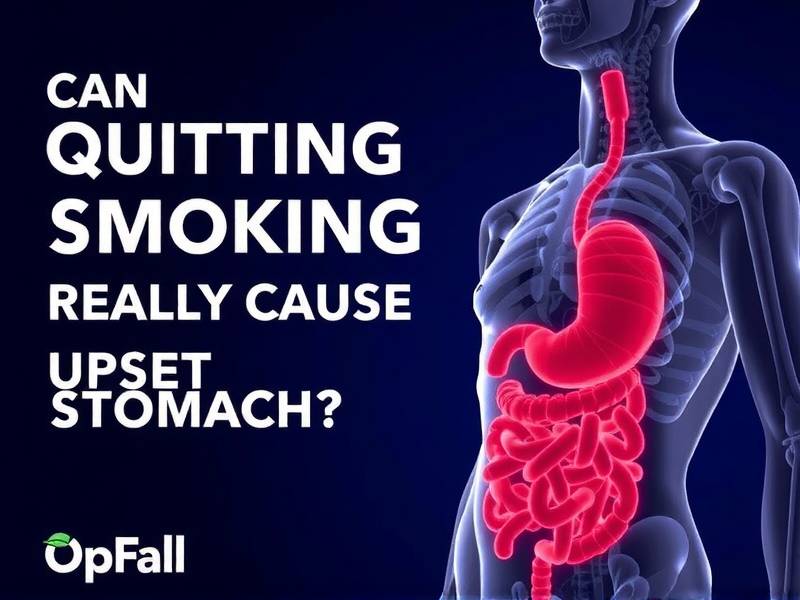
The journey to quitting smoking is often fraught with challenges, and one common concern among smokers is the potential for digestive upset. Many people wonder if giving up cigarettes can actually lead to stomach issues. In this article, we'll explore the relationship between smoking cessation and upset stomach, shedding light on what causes these symptoms and how to manage them.
What is an Upset Stomach?
An upset stomach, also known as dyspepsia, refers to a group of symptoms that affect the upper digestive system. These can include pain or discomfort in the upper abdomen, bloating, nausea, or heartburn. While an upset stomach can be caused by various factors, it's important to understand how quitting smoking might contribute to these symptoms.
The Role of Nicotine in Digestion

Nicotine, a key component of cigarettes, affects the digestive system in several ways. When you smoke, nicotine stimulates the production of stomach acid and increases gut motility. This can lead to a sense of discomfort or pain in the stomach area. However, when you quit smoking, your body undergoes changes that may disrupt this delicate balance.
Common Digestive Symptoms After Quitting Smoking
- Nausea and Vomiting: Nicotine withdrawal can cause nausea as your body adjusts to lower levels of this stimulant.
- Bloating: Reduced nicotine levels may lead to changes in bowel movements and gas production.
- Heartburn: The decrease in nicotine can affect the lower esophageal sphincter (LES), leading to acid reflux and heartburn.
- Abdominal Pain: Withdrawal from nicotine can sometimes trigger abdominal cramps or pain.
How Long Do These Symptoms Last?
It's important to note that these symptoms typically subside within a few weeks after quitting smoking. Your body will gradually return to its normal digestive rhythm as it adjusts to life without nicotine.
Managing Digestive Discomfort While Quitting Smoking
Here are some tips for managing digestive discomfort during your quit journey:
- Eat Small Meals: This can help prevent bloating and discomfort.
- Stay Hydrated: Drink plenty of water throughout the day.
- Avoid Trigger Foods: Certain foods like spicy or fatty dishes may exacerbate your symptoms.
- Consider Over-the-Counter Medications: Antacids or proton pump inhibitors (PPIs) can help alleviate heartburn.
- Seek Professional Advice: If your symptoms persist or worsen, consult a healthcare provider for personalized advice.
Conclusion
While quitting smoking may initially cause an upset stomach for some individuals, it's a temporary side effect that fades as your body adjusts. By understanding these changes and managing any associated symptoms effectively, you can stay on track with your goal of becoming smoke-free. Remember that the health benefits of quitting far outweigh any short-term discomfort you may experience along the way.