
Do Wrinkles Really Go Away After Quitting Smoking? The Truth You Need to Know
Do Wrinkles Really Vanish After Quitting Smoking? Unveiling the Truth
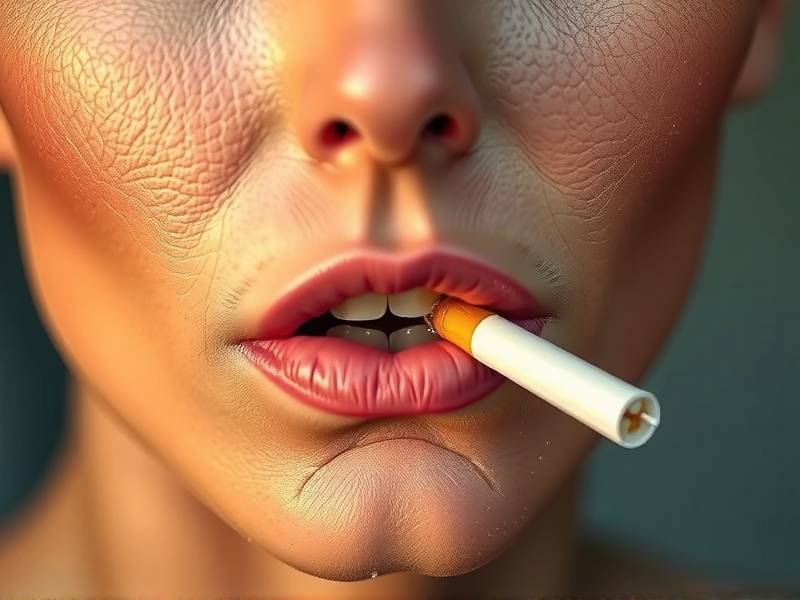
Introduction: The harmful effects of smoking on the body are well-documented, but many individuals are still unaware of the significant impact it can have on their skin. One common question that often arises is whether wrinkles really go away after quitting smoking. In this article, we will delve into the truth behind this concern and provide you with valuable insights.
-
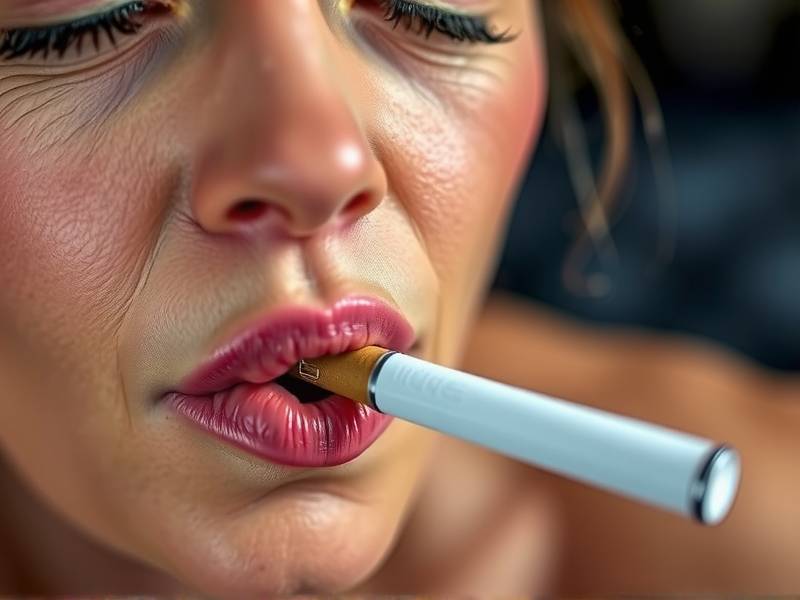
The Link Between Smoking and Wrinkles Smoking is a leading cause of premature aging, as it accelerates the natural aging process. The toxic chemicals present in cigarettes damage the collagen and elastin fibers in the skin, leading to loss of elasticity and the formation of wrinkles.
-
How Quitting Smoking Can Help When you quit smoking, your body starts to repair itself, and this includes reversing some of the damage caused by smoking. Here's how quitting can help reduce wrinkles:
a. Improved Blood Circulation: Smoking constricts blood vessels, reducing blood flow to the skin. Quitting smoking improves circulation, allowing more oxygen and nutrients to reach your skin cells, promoting healing and rejuvenation.
b. Increased Collagen Production: Collagen is a protein that provides structure to your skin, keeping it firm and elastic. Quitting smoking stimulates collagen production, which can help diminish existing wrinkles.
c. Reduced Exposure to Free Radicals: Smoking introduces harmful free radicals into your body that damage cells and contribute to aging. By quitting smoking, you reduce exposure to these free radicals, slowing down the aging process.
- The Timeframe for Wrinkle Reduction It's important to note that while quitting smoking can help reduce wrinkles over time, it may not happen overnight. The extent of wrinkle reduction depends on various factors such as age, genetics, and how long you smoked before quitting.
a. Early Quitters: Individuals who quit smoking before reaching their mid-30s may experience significant wrinkle reduction within 5-10 years after quitting.
b. Late Quitters: Those who quit later in life may still see improvements but might require additional skincare treatments or procedures for optimal results.
- Combining Quitting Smoking with Skincare While quitting smoking is a crucial step in reducing wrinkles, incorporating a proper skincare routine can further enhance your results:
a. Use Antioxidant-Rich Products: Look for skincare products containing antioxidants like vitamin C or E to combat free radicals and promote healthy skin.
b. Stay Hydrated: Drink plenty of water throughout the day to keep your skin hydrated and plump.
c. Protect Your Skin from Sun Exposure: Wear sunscreen daily to prevent further damage from UV rays.
Conclusion: Quitting smoking can indeed help reduce wrinkles over time by improving blood circulation, increasing collagen production, and reducing exposure to free radicals. While it may take several years for noticeable results to appear, making this positive change in your life is well worth it for both your health and appearance.