
Why Is My Blood Pressure Higher When Quitting Smoking? The Science Behind the Increase
Understanding the Connection
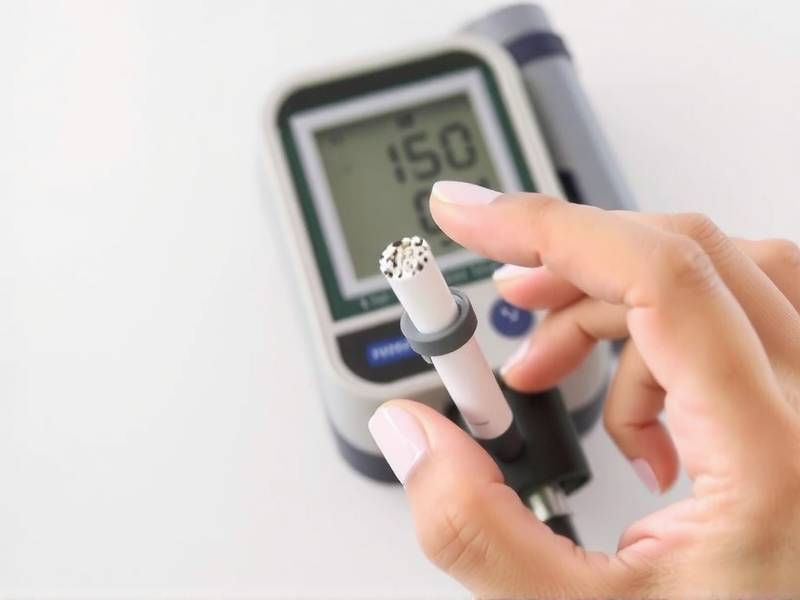
When you decide to quit smoking, it's a significant step towards improving your health. However, many individuals experience an unexpected rise in their blood pressure during the quitting process. This article delves into the science behind this phenomenon, offering insights into why blood pressure may spike when you kick the habit.
The Immediate Effects of Quitting Smoking
Nicotine Withdrawal
One of the primary reasons for increased blood pressure when quitting smoking is nicotine withdrawal. Nicotine is a stimulant that causes your heart rate and blood pressure to rise. When you stop smoking, your body goes through a withdrawal process as it adjusts to the absence of nicotine.

Stress Response
Quitting smoking also triggers a stress response in your body. The act of quitting can be stressful due to concerns about weight gain, cravings, and general anxiety about making such a significant lifestyle change. This stress response can lead to an increase in blood pressure.
The Long-Term Benefits
Gradual Reduction in Blood Pressure
While it may seem counterintuitive, it's important to remember that quitting smoking has long-term benefits for your blood pressure. Over time, as your body adjusts to life without nicotine, you'll likely see a gradual reduction in blood pressure levels.
Improved Cardiovascular Health
By quitting smoking, you're also reducing your risk of developing cardiovascular diseases such as heart attacks and strokes. These conditions can significantly impact blood pressure levels and overall health.
Strategies for Managing Increased Blood Pressure
Stay Hydrated
Drinking plenty of water can help manage increased blood pressure by ensuring proper hydration and promoting healthy kidney function.
Regular Exercise
Engaging in regular physical activity can help lower blood pressure by strengthening the heart and improving circulation.
Mindfulness Practices
Practicing mindfulness techniques like meditation or deep breathing exercises can help manage stress and reduce anxiety, which in turn can help control blood pressure levels.
Conclusion
While experiencing higher blood pressure when quitting smoking may be concerning at first, understanding the science behind this increase can provide reassurance. By adopting healthy lifestyle changes and managing stress effectively, you'll be well on your way to reaping the long-term benefits of kicking the smoking habit. Remember that every step towards better health is a step forward for a healthier future.