
Why Does COPD Get Worse Even If You Quit Smoking? The Truth You Need to Know
Introduction: Understanding Chronic Obstructive Pulmonary Disease (COPD)
Chronic Obstructive Pulmonary Disease (COPD) is a progressive lung disease that affects millions of people worldwide. It's often associated with smoking, but even if you've quit, you might still notice your COPD symptoms worsening. This article delves into the reasons behind this and provides you with the truth you need to know.
The Role of Smoking in COPD
It's no secret that smoking is a leading cause of COPD. When you smoke, harmful chemicals enter your lungs and irritate the airways, leading to inflammation and damage over time. Quitting smoking is a significant step towards improving your lung health, but it doesn't always mean your symptoms will immediately improve.
Why Does COPD Get Worse Even If You Quit Smoking?
-
Underlying Inflammation and Damage
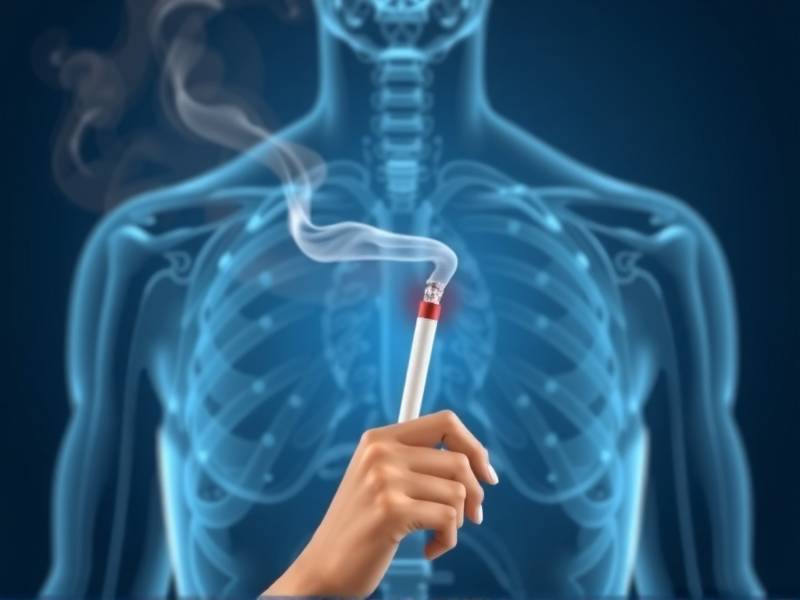
- Even after quitting smoking, the damage caused by years of smoking can take time to heal. The inflammation in your lungs might persist for some time, leading to worsening symptoms.
-
Other Causes of COPD
- While smoking is a major cause of COPD, other factors such as genetics, air pollution, and occupational exposure can also contribute to the disease's progression.
-
Progressive Nature of COPD
- COPD is a chronic condition with a progressive nature. It means that even if you quit smoking, the disease will continue to worsen over time unless managed effectively.
-
Lung Function Decline
- As your lungs continue to be damaged by other factors or due to the progressive nature of the disease itself, lung function can decline further.
Managing Your COPD Symptoms
Even though quitting smoking is an essential step in managing your COPD, there are other measures you can take:
-
Follow Your Doctor’s Advice
- Your doctor can provide personalized advice on managing your condition effectively.
-
Lifestyle Changes
- Regular exercise, maintaining a healthy weight, and avoiding exposure to pollutants can help improve your lung function.
-
Medications
- Medications such as bronchodilators and corticosteroids can help manage symptoms and reduce inflammation.
-
Pulmonary Rehabilitation
- Pulmonary rehabilitation programs combine exercise training with education on managing your condition effectively.
Conclusion: The Importance of Early Detection and Management
While quitting smoking is an essential step in managing COPD, it's crucial to understand that other factors may contribute to its progression even after quitting. By following your doctor’s advice and making lifestyle changes, you can help manage your symptoms more effectively and improve your quality of life.
Remember that early detection and management are key in combating this chronic condition. Don't hesitate to consult with healthcare professionals for personalized guidance on managing your COPD effectively.