
What Happens to Your Lungs When You Quit Smoking: A Timeline of Changes
What Happens to Your Lungs When You Quit Smoking: A Timeline of Changes
Introduction: Quitting smoking is a significant step towards improving your health, and one of the most noticeable benefits is the transformation it brings to your lungs. Understanding the timeline of changes that occur in your lungs after quitting smoking can serve as a powerful motivator to kick the habit. This article provides an insightful timeline of how your lungs heal and rejuvenate over time.
Immediate Benefits: Within minutes of quitting smoking, your body starts to respond positively. Here's what happens:
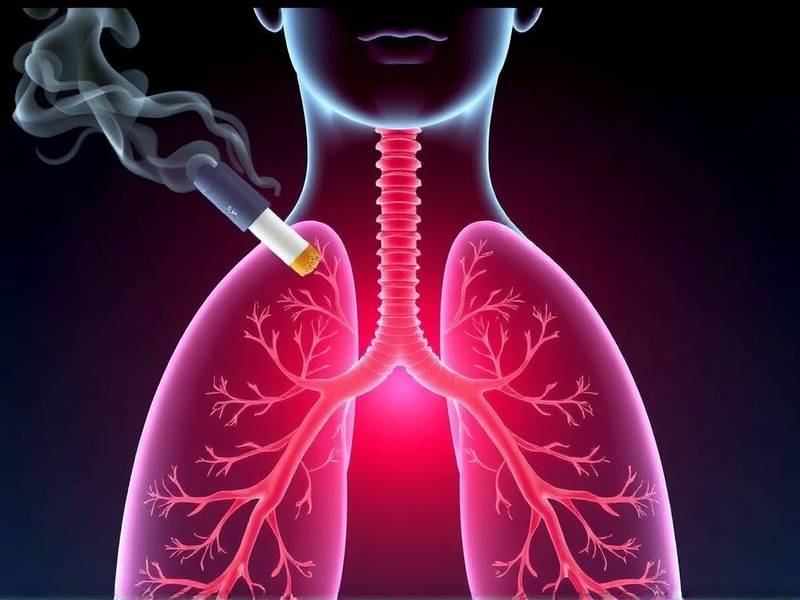
- First 20 Minutes: Your heart rate and blood pressure begin to drop, as do levels of carbon monoxide in your blood.
- 12 Hours: The carbon monoxide level in your blood drops to normal, increasing the oxygen supply to your body.
- 2-12 Weeks: Your lung capacity starts to improve as you breathe more efficiently.
One Month Post-Quitting: After just one month without cigarettes, you'll notice more significant improvements:
- Cilia in the lungs start to regrow and clear mucus more effectively.
- Your lung function may improve by up to 10%.
- You might experience fewer respiratory problems like coughs or colds.
Three Months Post-Quitting: In three months, your lungs continue their healing journey:
- The risk of heart disease begins to decline.
- Your immune system strengthens, making it easier for you to fight off infections.
Six Months Post-Quitting: After six months, you'll feel a substantial difference:
- Your lung function may improve by another 5%.
- You'll breathe more easily during physical activities.
One Year Post-Quitting: A year after quitting smoking, here are some notable changes:
- The risk of heart disease continues to decrease significantly.
- Your risk of stroke begins to drop.
Five Years Post-Quitting: After five years without cigarettes:
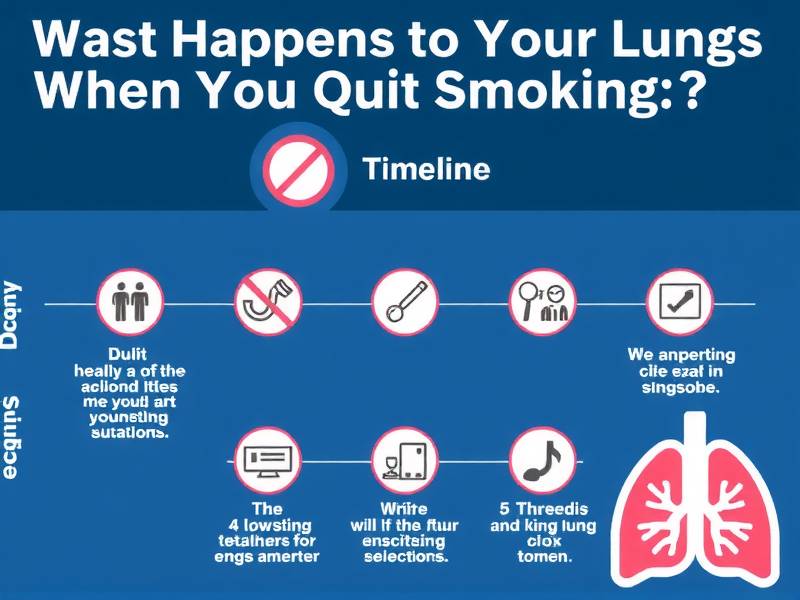
- The risk of cancer decreases significantly.
- Your risk of coronary heart disease is cut in half compared to a smoker's risk.
Ten Years Post-Quitting: Finally, ten years after quitting smoking:
- The risk of cancer continues to decline and approaches that of a non-smoker's risk.
- Your risk of stroke is now similar to that of someone who has never smoked.
Conclusion: Understanding the healing process in your lungs post-quitting smoking can be incredibly motivating for those looking to break free from this harmful habit. Each passing month brings new health benefits, making it a journey worth embarking on for a healthier future.
Remember, every puff counts – so take that first step towards quitting today!