
Can You Still Get Lung Cancer If You Quit Smoking?
Can You Still Get Lung Cancer If You Quit Smoking? Unveiling the Truth
Subheading: Understanding the Risks and Benefits of Quitting Smoking
Introduction: Lung cancer is a deadly disease that has affected millions of lives worldwide. While smoking is a well-known risk factor for lung cancer, many people wonder if it's possible to still develop this condition even after quitting smoking. In this article, we will explore the truth behind this question and provide valuable insights into the risks and benefits of quitting smoking.
-
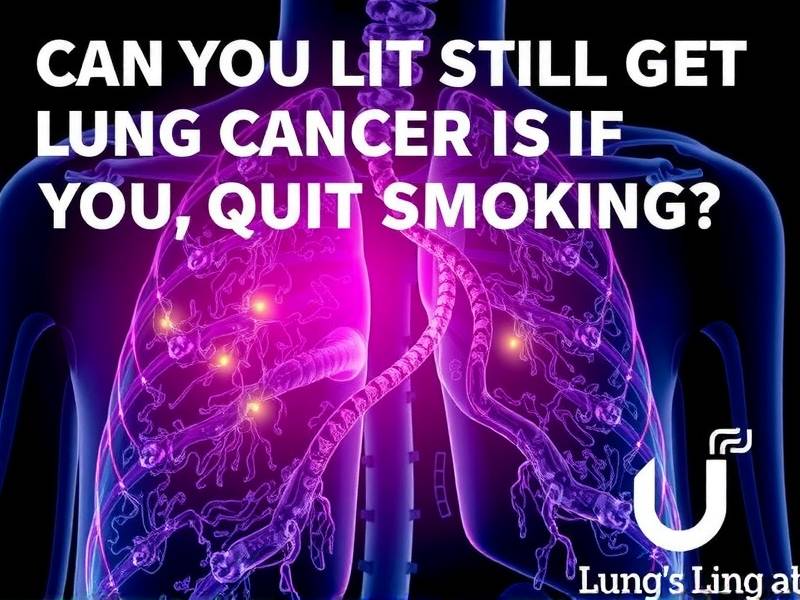
The Link Between Smoking and Lung Cancer Smoking is the leading cause of lung cancer, accounting for approximately 85% of all cases. The harmful chemicals present in cigarettes, such as tar and nicotine, can damage the cells in your lungs over time, leading to cancerous growths.
-
The Impact of Quitting Smoking Quitting smoking can significantly reduce your risk of developing lung cancer. Studies have shown that within 5-10 years after quitting, your risk of lung cancer decreases by about half compared to continuing smokers.
-
The Importance of Early Detection Even if you have quit smoking, it's crucial to be aware of the signs and symptoms of lung cancer. Early detection can lead to more effective treatment options and better chances of survival.
-
Other Risk Factors for Lung Cancer While quitting smoking is a significant step towards reducing your risk, it's important to note that other factors can also contribute to lung cancer development:
a. Exposure to secondhand smoke b. Genetic predisposition c. Occupational exposure to certain chemicals or radon gas
-
The Role of Lifestyle Choices Adopting a healthy lifestyle can further reduce your risk of lung cancer, even after quitting smoking:
a. Regular physical activity b. Balanced diet rich in fruits, vegetables, and whole grains c. Limiting alcohol consumption
-
Long-Term Benefits of Quitting Smoking Quitting smoking not only reduces your risk of lung cancer but also offers numerous other health benefits:
a. Improved cardiovascular health b. Reduced risk of stroke and heart disease c. Enhanced respiratory function
Conclusion: While quitting smoking significantly reduces your risk of developing lung cancer, it's important to understand that other factors may still contribute to this disease. By adopting a healthy lifestyle and being proactive about early detection, you can take control over your health and minimize the risks associated with lung cancer.
Remember, it's never too late to quit smoking and start enjoying the numerous health benefits it brings along with it!