
Do Lungs Really Get Healthier After Quitting Smoking?
The Transformation of Lungs Post-Quitting Smoking: A Journey to Health and Wholeness
Introduction: The decision to quit smoking is a monumental step towards better health. Many smokers are often curious about the physical changes that occur in their bodies after they kick the habit. One of the most frequently asked questions is whether lungs truly get healthier after quitting smoking. In this article, we delve into the science behind this transformation and provide insights into how quitting smoking can lead to improved lung health.
Understanding the Damage Smoking is notorious for its harmful effects on the respiratory system. The inhalation of tobacco smoke leads to a build-up of tar and other toxic substances in the lungs, which can cause inflammation, scarring, and a higher risk of infections. This chronic irritation can lead to conditions like chronic bronchitis and emphysema over time.
The Healing Process Research has shown that within days of quitting smoking, your body begins its healing journey. Let's explore some key stages:
1. Immediate Benefits Within hours of quitting, your blood pressure starts to drop as does your heart rate. The carbon monoxide levels in your blood begin to decrease, allowing your oxygen levels to rise.
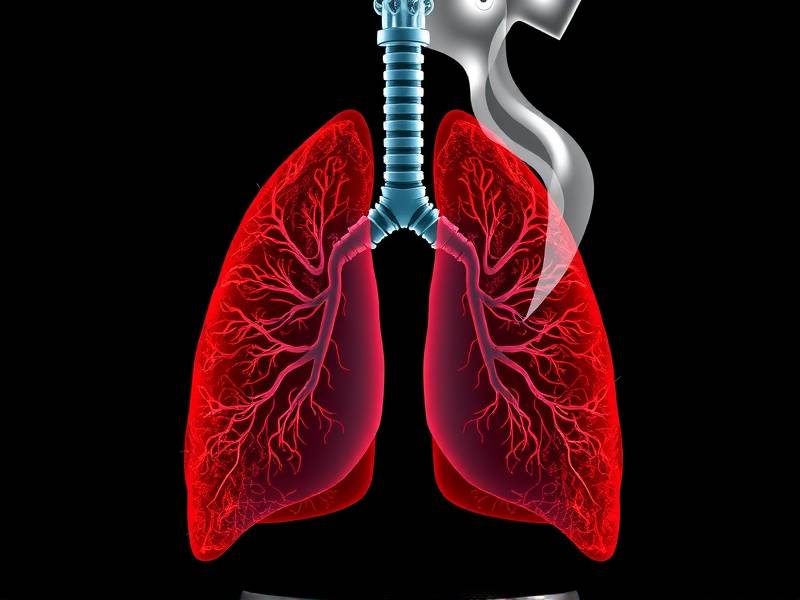
2. Week 1-3 After about three days without cigarettes, you'll likely notice an improvement in your sense of taste and smell. Your body's immune system starts to repair itself, reducing the risk of respiratory infections.
3. Month 1-9 Within a month or so, coughing and shortness of breath should decrease significantly as your cilia (tiny hair-like structures in your lungs) start regaining their function. This helps clear mucus from your airways more effectively.
4. Year 1-2 One year after quitting, you may experience further improvements in lung function and a reduced risk of respiratory infections compared to when you were smoking.
5. Long-term Health Over time, as years pass since quitting, the risk of developing chronic obstructive pulmonary disease (COPD) decreases significantly. The lungs continue to heal with each passing day without smoke exposure.
Scientific Evidence According to the American Lung Association, "Within five years of quitting smoking, the risk for stroke drops by almost half." Furthermore, "within 10 years after quitting smoking, an ex-smoker’s risk for lung cancer drops by about half that of someone who continues to smoke."
Conclusion: The journey towards healthier lungs post-quitting smoking is well-documented by scientific research and personal testimonials alike. While it's true that immediate benefits are not always noticeable due to individual variations in response times, there is no doubt that over time, quitting smoking leads to significant improvements in lung health.
For those contemplating making this life-changing decision or those who have already quit but are seeking reassurance about their progress, it's important to remember that every puff counts against you when it comes to lung health. Embrace the healing process with patience and determination – your lungs will thank you for it!