
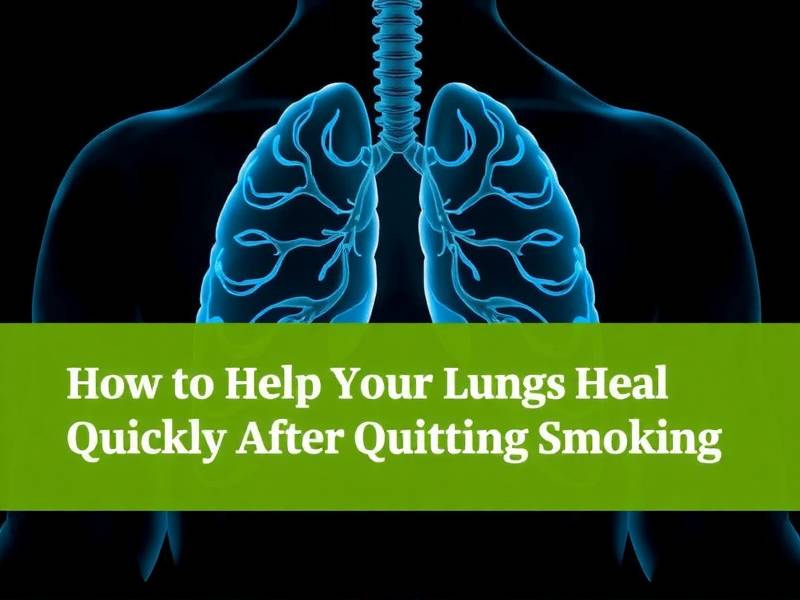
How to Help Your Lungs Heal Quickly After Quitting Smoking
The Journey to Better Breathing
Quitting smoking is a monumental step towards a healthier life, but the journey doesn't end there. Your lungs, having been subjected to the harmful toxins of tobacco for years, now require time and care to heal. This article delves into practical steps you can take to accelerate the healing process and breathe easier.
Understanding Lung Healing
When you quit smoking, your body begins to repair itself almost immediately. However, the healing process can vary from person to person. It's essential to understand that while you can't speed up the rate at which your lungs regenerate tissue, you can certainly create an environment conducive to their recovery.
Fresh Air: The Foundation of Lung Health
One of the simplest yet most effective ways to support lung healing is by increasing your intake of fresh air. Spend time in natural settings where you can breathe in clean air. Parks, beaches, and forests are ideal places for this.
Hydration: A Lifeline for Lungs
Water plays a crucial role in flushing out toxins from your body. Drink plenty of water throughout the day—aim for at least eight glasses—and consider herbal teas rich in antioxidants.
Exercise: The Key to Improved Lung Function
Regular physical activity helps improve lung capacity and strengthens respiratory muscles. Start with low-impact exercises like walking or swimming and gradually increase intensity as you feel comfortable.
Avoiding Harmful Substances
It's not just about quitting smoking; it's also about avoiding other lung irritants. Stay away from secondhand smoke, dust, pollen, and chemical fumes.
Nutrition: Fueling Your Recovery
A balanced diet rich in fruits, vegetables, lean proteins, and whole grains provides essential nutrients for lung repair. Foods high in vitamin C and vitamin E can help protect against oxidative stress caused by smoking.
Breathing Techniques
Learning proper breathing techniques can enhance lung function and aid in relaxation. Practices such as diaphragmatic breathing or deep breathing exercises can be particularly beneficial.
Regular Check-ups
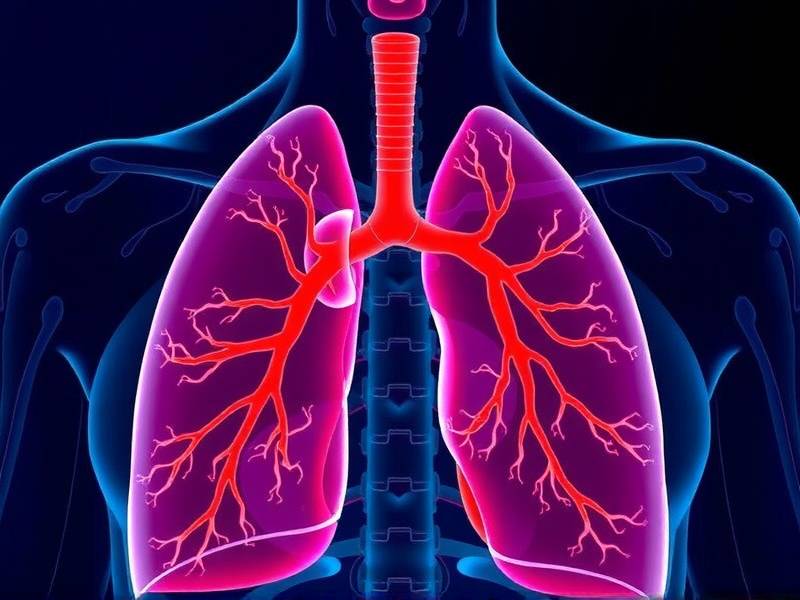
Visit your healthcare provider regularly for check-ups. They can monitor your lung health and offer personalized advice on how best to support your recovery.
Mindset: The Power of Positive Thinking
Maintaining a positive mindset is crucial during this time. Believe in your body's ability to heal and stay motivated by celebrating small victories along the way.
Conclusion
The road to healing after quitting smoking is a personal journey that requires patience and dedication. By incorporating these strategies into your daily routine, you're taking proactive steps towards healthier lungs and a better quality of life. Remember that every breath counts—breathe deeply and embrace the journey ahead!