
Why Does Lung Cancer Incidence Drop Faster After Quitting Smoking?
The Swift Decline of Lung Cancer Incidence Post-Smoking: Unveiling the Reasons
Subheading: Why Does Quitting Smoking Lead to Faster Reduction in Lung Cancer Cases?
Introduction: Lung cancer remains one of the leading causes of cancer-related deaths worldwide. However, there is a fascinating trend that has been observed: the incidence of lung cancer begins to decline more rapidly after individuals quit smoking. This article delves into the reasons behind this phenomenon, offering insights into the transformative power of quitting smoking on lung health.
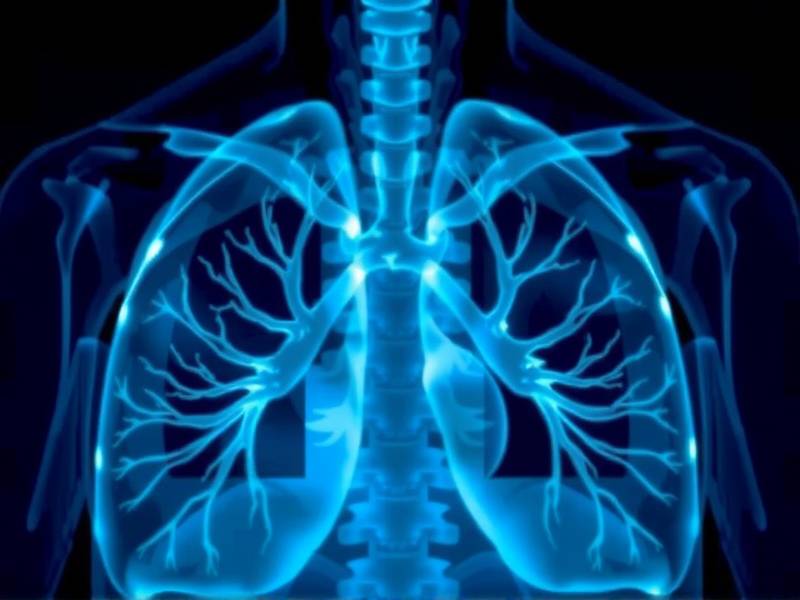
Section 1: The Impact of Smoking on Lung Health Smoking is a well-known risk factor for lung cancer. The chemicals present in tobacco smoke can cause severe damage to the lungs, leading to inflammation, cell mutation, and ultimately, cancer. Understanding how smoking affects lung health is crucial in appreciating the benefits of quitting.
Subsection 1.1: Chemicals in Tobacco Smoke Tobacco smoke contains over 7,000 chemicals, including over 70 known carcinogens. These harmful substances can penetrate deep into the lungs and cause long-term damage.
Subsection 1.2: Chronic Inflammation and Cell Mutation The constant exposure to these carcinogens triggers chronic inflammation in the lungs. Over time, this inflammation can lead to DNA mutations in lung cells, increasing the risk of cancer development.
Section 2: The Gradual Recovery Post-Quitting Smoking The journey towards better lung health begins as soon as one decides to quit smoking. Here's a look at how the body starts healing and why this recovery leads to a faster decline in lung cancer incidence.
Subsection 2.1: Immediate Benefits Upon Quitting Within just hours of quitting smoking, carbon monoxide levels begin to drop as oxygen flow improves. This initial change sets the stage for future improvements.
Subsection 2.2: Long-Term Benefits Over Time Over several years after quitting, there is a significant reduction in chronic inflammation and a decrease in DNA mutations due to reduced exposure to harmful chemicals.
Section 3: The Role of Immune System Enhancement A strong immune system plays a crucial role in detecting and destroying precancerous cells before they develop into full-blown cancer.
Subsection 3.1: Enhanced Immune Response Post-Quitting Quitting smoking enhances immune function by reducing oxidative stress and improving overall cellular health.

Subsection 3.2: Faster Detection and Elimination of Abnormal Cells With an improved immune system, the body becomes more adept at identifying and eliminating abnormal cells that could lead to cancer.
Section 4: Environmental Factors and Social Support The reduction in lung cancer incidence after quitting smoking is not solely due to individual changes but also influenced by environmental factors and social support systems.
Subsection 4.1: Environmental Exposure Reduction By quitting smoking, individuals reduce their exposure to secondhand smoke, which also contributes to lung cancer risk.
Subsection 4.2: Social Support Networks Having a strong support network can significantly increase one's chances of successfully quitting smoking and maintaining a smoke-free lifestyle.
Conclusion: The swift decline in lung cancer incidence following smoking cessation underscores the profound impact that quitting has on overall lung health. By understanding these reasons, individuals are encouraged to take that first step towards quitting smoking for themselves and for those who care about them. Remember, it's never too late to start anew with healthier lungs—quit today!