
Does Quitting Smoking Really Help Stop Plaque Accumulation in the Arteries?
Unveiling the Truth: Does Quitting Smoking Truly Halt Artery Plaque Accumulation?
Introduction: The debate on the benefits of quitting smoking has been ongoing for years. While most people are aware of the risks associated with smoking, such as lung cancer and heart disease, one question that often arises is whether quitting smoking can really help stop plaque accumulation in the arteries. In this article, we will delve into this topic, providing you with a comprehensive understanding of the relationship between smoking cessation and artery plaque reduction.
Section 1: Understanding Artery Plaque Accumulation Artery plaque refers to a buildup of fatty substances, cholesterol, calcium, and other materials within the artery walls. This accumulation can lead to a narrowing of the arteries, reducing blood flow and increasing the risk of heart attack and stroke. The primary cause of artery plaque is often attributed to unhealthy lifestyle choices, including smoking.
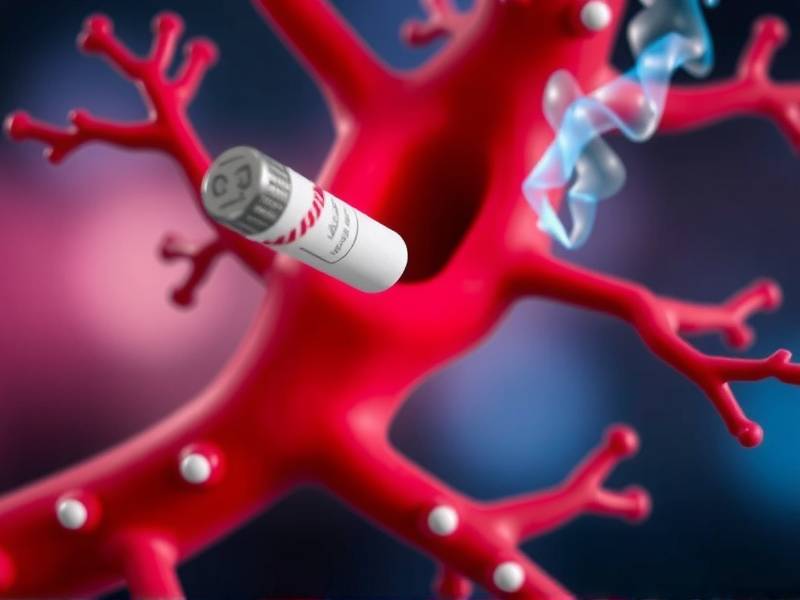
Section 2: The Impact of Smoking on Artery Plaque Numerous studies have shown that smoking plays a significant role in promoting artery plaque accumulation. The chemicals present in cigarettes cause inflammation in the arteries, leading to damage and an increased risk of plaque formation. Additionally, smoking reduces the production of HDL (good) cholesterol, which helps remove LDL (bad) cholesterol from the bloodstream.

Section 3: Quitting Smoking and Artery Plaque Reduction Now that we understand how smoking contributes to artery plaque accumulation, let's explore whether quitting smoking can truly help reduce this buildup.
3.1 Immediate Benefits Upon quitting smoking, your body begins to heal itself immediately. Within just 24 hours after your last cigarette, your heart rate and blood pressure start to decrease. Over time, your lungs begin to clear out mucus and debris accumulated due to smoking.
3.2 Long-term Benefits Research indicates that quitting smoking can significantly reduce the risk of developing new plaques in your arteries over time. A study published in The New England Journal of Medicine found that individuals who quit smoking at age 35 had a similar risk profile as those who never smoked by age 70.
3.3 Improved Cholesterol Levels Quitting smoking also helps improve cholesterol levels by increasing HDL (good) cholesterol production. This shift helps remove LDL (bad) cholesterol from your bloodstream and reduces the likelihood of plaque formation.
Conclusion: In conclusion, quitting smoking does indeed help stop plaque accumulation in the arteries. By reducing inflammation, improving cholesterol levels, and promoting overall cardiovascular health, quitting smoking can significantly lower your risk of heart attack and stroke. So if you're contemplating taking this important step towards a healthier life, remember that it's never too late to quit!