
Can You Get Mouth Cancer After Quitting Smoking?
Understanding the Link Between Smoking Cessation and Oral Cancer Risks
Introduction
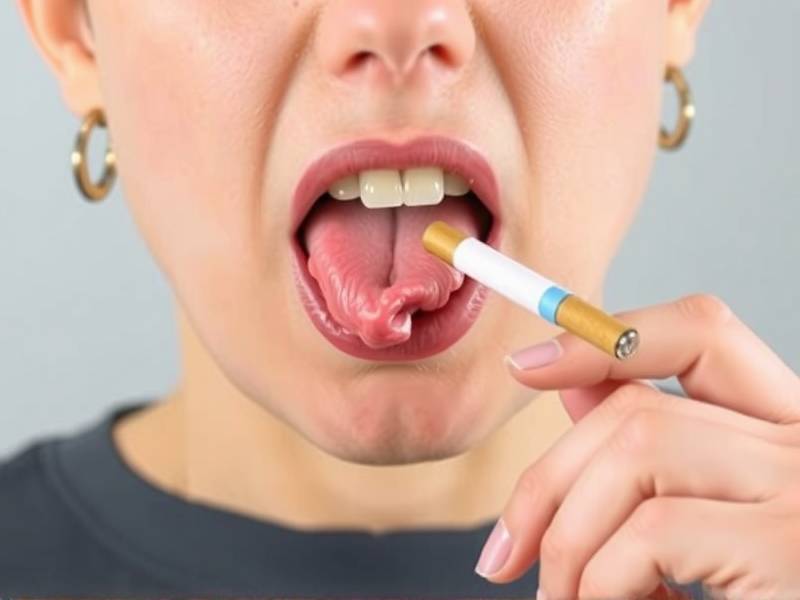
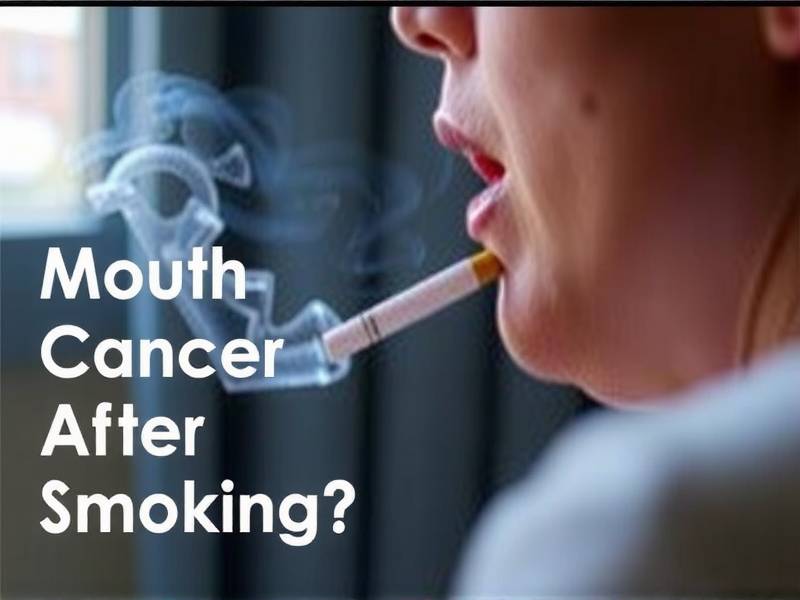
The decision to quit smoking is a significant step towards improving one's health. Many individuals are aware of the risks associated with continued smoking, such as lung cancer, heart disease, and other respiratory issues. However, what many may not realize is that the risks do not disappear immediately upon quitting. This article delves into the question: can you get mouth cancer after quitting smoking?
The Risks of Smoking and Oral Cancer
It's no secret that smoking increases the risk of oral cancer. The chemicals in tobacco can lead to cellular changes in the mouth, which over time may develop into cancerous cells. According to the American Cancer Society, smoking is a leading cause of oral cancer.
Quitting Smoking and Immediate Benefits
When you quit smoking, your body begins to heal almost immediately. Within 48 hours of quitting, your risk of a heart attack decreases significantly. Over time, your lungs start to clear out tar and other harmful substances.
Long-Term Benefits Post-Quitting
Within five years of quitting, your risk of stroke is reduced by almost half. Ten years after quitting, your risk of lung cancer drops by about half compared to that of continuing smokers.
The Persistent Risk: Can You Get Mouth Cancer After Quitting?
Despite these improvements, it's important to note that the risk of oral cancer does not vanish overnight upon quitting smoking. The American Academy of Oral Medicine explains that it takes years for the mouth to fully recover from the damage caused by tobacco use.
While it is possible to get mouth cancer after quitting smoking, the risk is significantly lower than for those who continue to smoke. The body's natural healing process can reduce this risk over time.
Factors Influencing Risk Post-Quitting
Several factors can influence the risk of developing mouth cancer after quitting:
- Duration of Smoking: The longer you smoked and the more cigarettes you smoked daily, the higher your risk.
- Age at Quitting: Quitting at a younger age can help minimize long-term risks.
- Genetic Factors: Some individuals may have a genetic predisposition to oral cancers.
- Other Risk Factors: Excessive alcohol consumption and poor oral hygiene can also increase risks.
Conclusion
Quitting smoking is a crucial step in reducing your risk of mouth cancer and other health issues. While it's possible to develop mouth cancer after quitting, doing so is less likely than if you continued smoking. By maintaining a healthy lifestyle post-quitting—such as avoiding alcohol, practicing good oral hygiene, and scheduling regular dental check-ups—you can further reduce your risks.
Remember, it's never too late to quit smoking and start improving your health today!