
Do Your Lungs Really Get Better After You Quit Smoking?
The Journey to Health: How Your Lungs Heal After Quitting Smoking
Introduction: The decision to quit smoking is a monumental step towards better health. Many smokers wonder if their lungs can truly recover after years of exposure to harmful chemicals. In this article, we delve into the science behind lung healing and provide insights into the remarkable transformation that occurs post-cessation.
Understanding Lung Damage: The Smoking Narrative
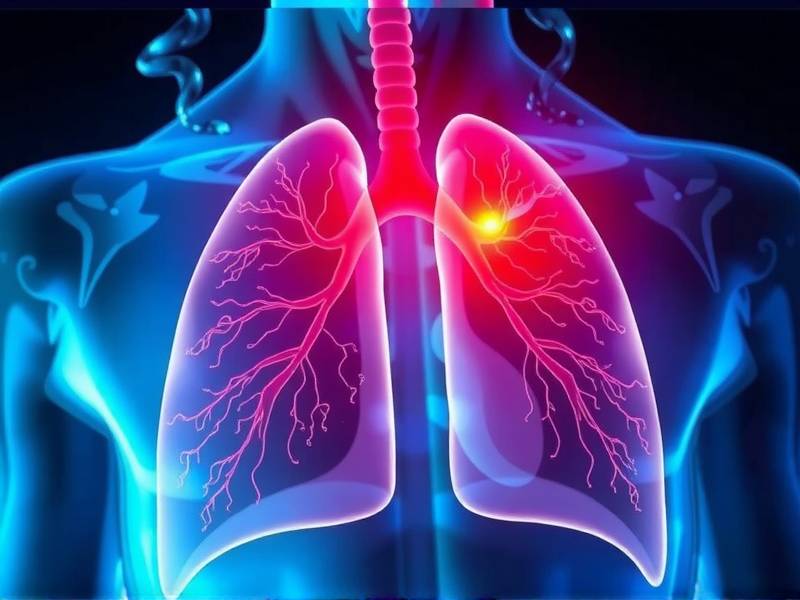
Smoking is a leading cause of chronic obstructive pulmonary disease (COPD), lung cancer, and other respiratory issues. Each puff introduces over 4,000 chemicals into the lungs, including over 60 known carcinogens. The damage is often gradual and can be difficult to detect early on.
The First Steps: Immediate Benefits
Within just 20 minutes of quitting, your blood pressure and heart rate begin to drop. Within 12 hours, carbon monoxide levels in your blood return to normal, increasing the oxygen supply to your body's tissues. These immediate changes set the stage for a series of improvements.
The First Year: A New Breath
Within a year of quitting, your risk of heart disease is cut in half compared to continuing smokers. Your lung function also starts to improve as the cilia (tiny hair-like structures) in your lungs begin to regrow and clear out mucus more effectively.
The Long Haul: Years of Recovery
Over time, the damage caused by smoking can continue to heal. Here's what you can expect:
- Five Years Post-Quitting: Your risk of stroke is reduced by about half.
- Ten Years Post-Quitting: Your risk of lung cancer drops by about half compared to continuing smokers.
- 15 Years Post-Quitting: Your risk of coronary heart disease becomes similar to that of someone who never smoked.
The Science Behind Lung Healing
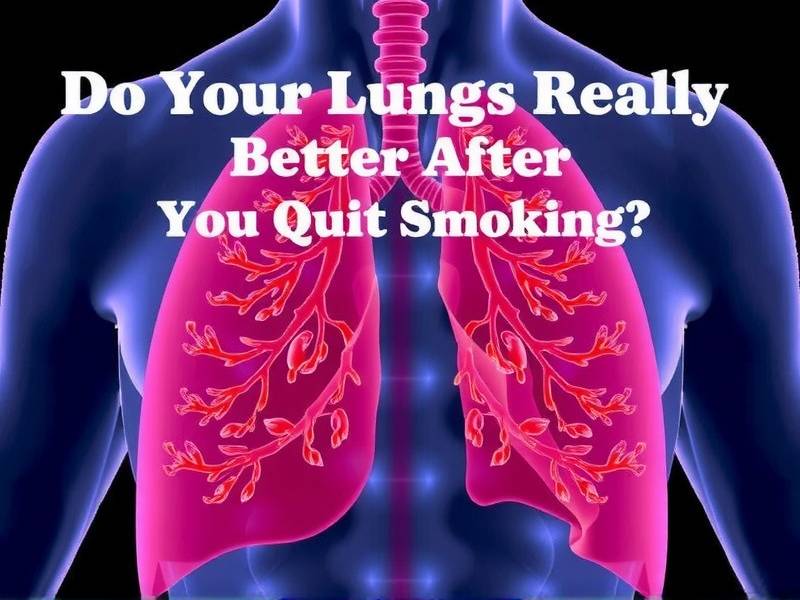
The body's natural healing process plays a significant role in lung recovery. White blood cells help remove debris from the lungs, while new cells replace damaged ones over time. However, this process can be hindered by continued exposure to smoke or other pollutants.
Embracing a Smoke-Free Life
While quitting smoking doesn't guarantee complete reversal of all damage, it significantly reduces future risks and improves overall health outcomes. Adopting a smoke-free lifestyle also encourages healthier choices that support lung health, such as regular exercise and maintaining a balanced diet.
Conclusion: A Path to Resilience
Your lungs have an incredible capacity for healing after you quit smoking. By making this life-changing decision, you're not only improving your own health but also setting an example for others who may be considering quitting themselves. Remember that every day without a cigarette brings you one step closer to healthier lungs and a longer life.
Remember, the journey towards better health is unique for each individual. It's essential to consult with healthcare professionals for personalized advice and support on quitting smoking and improving lung health.
[Note: This article is intended for informational purposes only and should not replace professional medical advice.]