
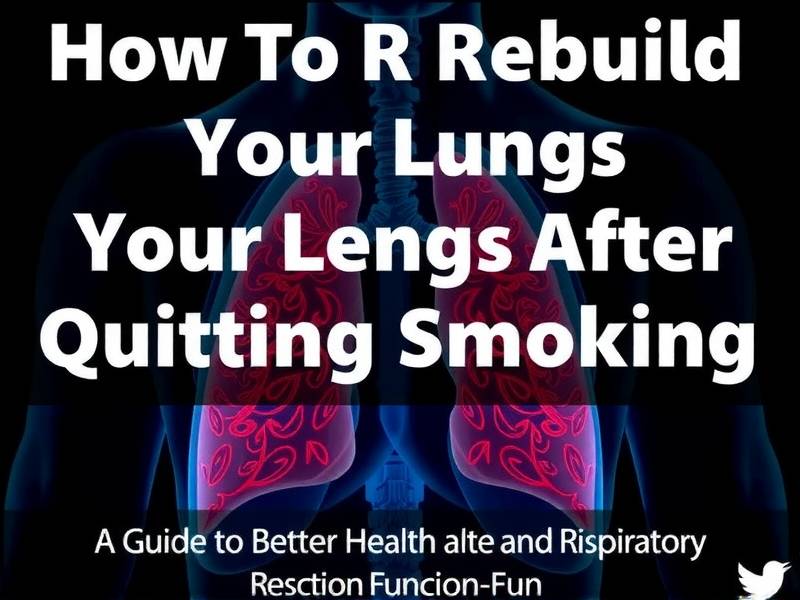
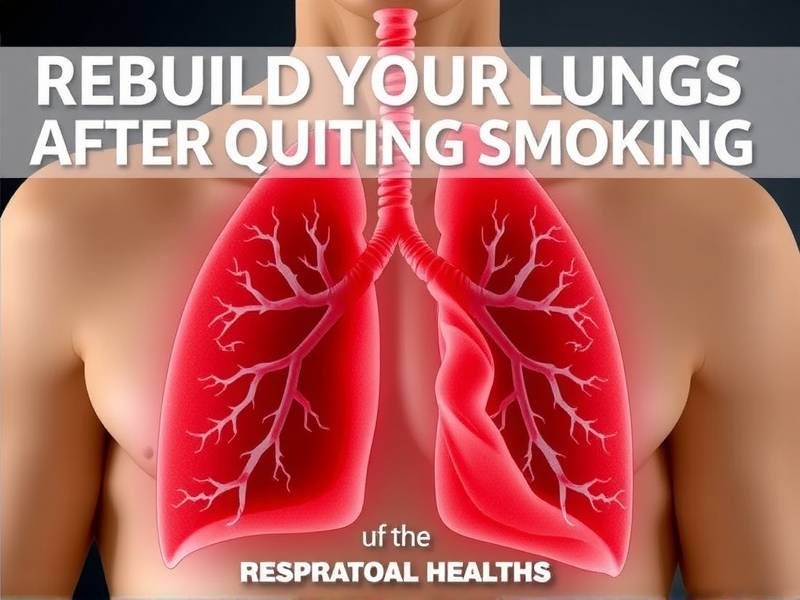
How to Rebuild Your Lungs After Quitting Smoking: A Guide to Better Health and Respiratory Function
How to Rebuild Your Lungs After Quitting Smoking: A Guide to Better Health and Respiratory Function
Introduction: Quitting smoking is a significant step towards better health, and one of the most rewarding benefits is the gradual restoration of lung function. As you take this life-changing journey, understanding how to rebuild your lungs is crucial. This guide will provide you with valuable insights and practical tips on enhancing respiratory health after quitting smoking.
Understanding Lung Function Your lungs are vital organs responsible for oxygenating your blood and removing carbon dioxide. Smoking damages the delicate lining of your lungs, leading to inflammation, decreased lung capacity, and impaired respiratory function. By quitting smoking, you give your lungs a chance to heal and restore their natural function.
1. Quitting Smoking The first step in rebuilding your lungs is to quit smoking. The longer you remain smoke-free, the more significant the improvements in lung function. Seek support from friends, family, or professional organizations like Smokefree.gov for additional motivation and guidance.
2. Breathing Exercises Engaging in breathing exercises can help improve lung capacity and enhance respiratory function. Techniques such as diaphragmatic breathing, pursed-lip breathing, and deep breathing exercises can be beneficial.
- Diaphragmatic Breathing: Lie on your back with one hand on your chest and the other on your abdomen. Inhale deeply through your nose while pressing gently on your abdomen with your hand. Exhale slowly through pursed lips.
- Pursed-Lip Breathing: Inhale deeply through your nose for three seconds; then exhale slowly through pursed lips for five seconds.
- Deep Breathing: Practice taking slow, deep breaths from the abdomen rather than shallow breaths from the chest.
3. Stay Hydrated Drinking plenty of water helps maintain healthy mucous membranes in your airways, reducing irritation and promoting lung healing.
4. Avoid Exposure to Pollutants Protecting yourself from environmental pollutants such as dust, pollen, secondhand smoke, and smog can help minimize further damage to your lungs.
5. Exercise Regularly Regular physical activity strengthens the heart and improves lung capacity. Engaging in activities such as walking, jogging, swimming, or cycling can promote better respiratory health.
6. Maintain a Healthy Diet A balanced diet rich in fruits, vegetables, whole grains, lean proteins, and healthy fats supports overall health and aids in lung healing.
7. Seek Professional Advice If you experience persistent symptoms or concerns about your lung health after quitting smoking, consult a healthcare professional for personalized advice and treatment options.
Conclusion: Rebuilding your lungs after quitting smoking is a gradual process that requires patience and dedication. By adopting these lifestyle changes and seeking professional support when needed, you can improve respiratory function and enjoy a healthier life free from tobacco's harmful effects.