
Do You Need to Quit Smoking Before a Colectomy?
Navigating Pre-Colectomy Smoking Decisions: A Comprehensive Guide
Introduction: A colectomy, or colon surgery, is a significant surgical procedure that can alter one's life. As a result, it's not uncommon for patients to wonder if they need to quit smoking before undergoing this operation. This article aims to provide a comprehensive guide on whether quitting smoking is necessary before a colectomy and the potential benefits of doing so.
Understanding the Risks of Smoking with Colectomy

-
Increased Complications: Smoking can significantly increase the risk of complications during and after surgery. According to the American Society of Colon and Rectal Surgeons, smokers are more prone to infections, longer hospital stays, and delayed wound healing.
-
Anesthesia Risks: Smokers may require more anesthesia during surgery due to increased blood loss and impaired lung function. This can lead to longer recovery times and an increased risk of complications.
The Benefits of Quitting Smoking Before Colectomy
-
Reduced Risk of Complications: Quitting smoking before a colectomy can significantly reduce the risk of postoperative complications such as infections, blood clots, and pneumonia.
-
Faster Recovery: By quitting smoking, patients may experience a faster recovery time as their lungs will have better oxygenation, allowing for quicker healing and reduced pain perception.
-
Improved Long-term Outcomes: Research has shown that former smokers tend to have better long-term outcomes after colorectal surgery compared to those who continue smoking.
How Soon Should You Quit Smoking Before Colectomy?
The optimal time frame for quitting smoking before a colectomy varies among patients. However, experts generally recommend stopping at least 4-6 weeks prior to surgery. This gives the body enough time to adjust and reduces the risk of complications.
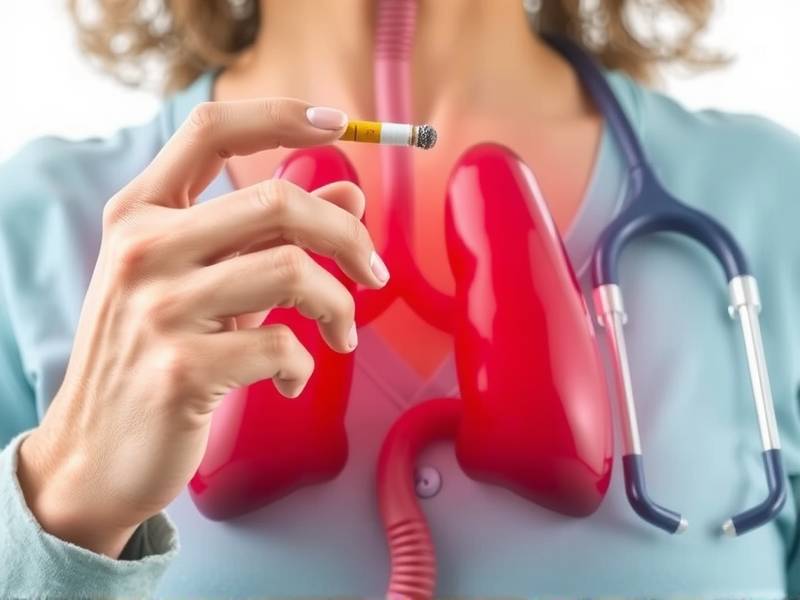
Alternative Strategies for Quitting Smoking
-
Behavioral Support: Seeking support from family, friends, or support groups can provide motivation and accountability during your quit journey.
-
Pharmacological Treatments: Prescription medications such as varenicline (Chantix) or bupropion (Zyban) can help alleviate withdrawal symptoms and increase your chances of quitting successfully.
-
Nicotine Replacement Therapy (NRT): Products like nicotine gum, patches, lozenges, or inhalers can help reduce cravings by providing controlled doses of nicotine without the harmful effects of tobacco smoke.
Conclusion: In conclusion, quitting smoking before a colectomy is crucial for reducing complications and improving recovery outcomes. While it's never too late to quit smoking, starting early provides the best results. Consult with your healthcare provider for personalized advice on how best to quit smoking before your surgery date.