
How to Survive the First 24 Hours of Quitting Smoking
The Challenge of Quitting Smoking
Quitting smoking is a significant life change that can have profound health benefits. However, the first 24 hours without a cigarette can be incredibly challenging. This article will guide you through this critical period, offering practical tips and insights to help you navigate this crucial time.
Understanding the Withdrawal Process
The immediate withdrawal symptoms are a result of nicotine withdrawal, which can include irritability, anxiety, and cravings. It's important to understand that these symptoms are temporary and your body will begin to heal almost immediately after quitting.
Managing Cravings
Cravings are intense and often unpredictable. Here are some strategies to manage them:
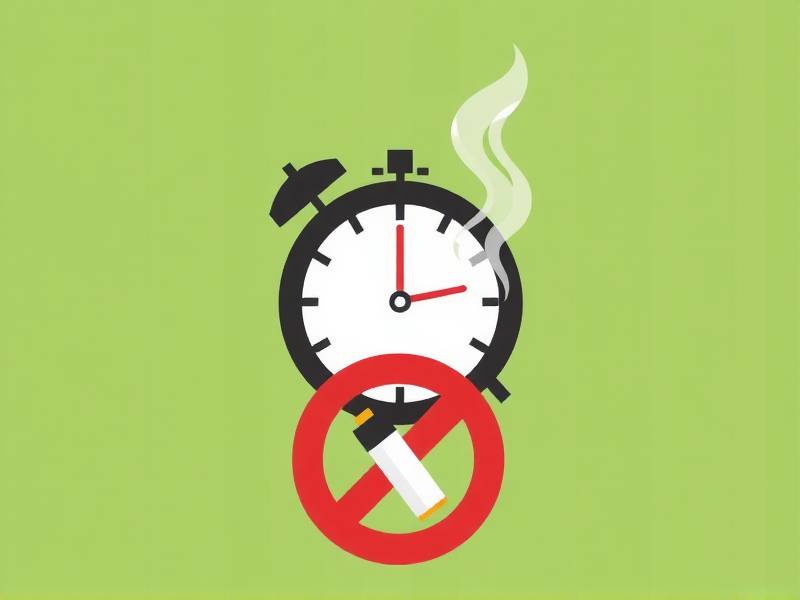
- Distract Yourself: Engage in activities that keep your mind off smoking, such as reading, watching a movie, or going for a walk.
- Stay Hydrated: Drink plenty of water. Sometimes thirst can be mistaken for a craving.
- Relaxation Techniques: Practice deep breathing or meditation to calm your nerves.
Coping with Physical Symptoms
Physical symptoms like headaches and nausea may arise during the first 24 hours. Here's how to alleviate them:
- Stay Hydrated: Drink water to flush out toxins from your body.
- Eat Healthily: A balanced diet rich in fruits, vegetables, and whole grains can help stabilize your blood sugar levels.
- Get Rest: Rest is essential for recovery. Try to get at least 7-8 hours of sleep.
Mental Preparation
Mental preparation is as crucial as physical preparation when quitting smoking. Here's how you can boost your mental resilience:
Setting Clear Goals
Set clear, achievable goals for yourself. For example, "I will not smoke for the next 24 hours" or "I will find alternative ways to cope with cravings."
Positive Affirmations
Use positive affirmations to reinforce your commitment. Phrases like "I am strong" or "I am capable of overcoming this challenge" can be powerful motivators.

Seek Support
Quitting smoking is easier when you have support from friends, family, or professionals:
Connect with Others
Join support groups or online communities where you can share experiences and advice with others who are going through similar challenges.
Professional Help
Consider seeking help from a healthcare professional who specializes in addiction treatment.
Conclusion
Surviving the first 24 hours of quitting smoking requires mental fortitude and practical strategies. By understanding the withdrawal process, managing cravings effectively, staying physically healthy, preparing mentally, and seeking support when needed, you'll be well on your way to a smoke-free life. Remember that every hour without a cigarette brings you one step closer to breaking free from the chains of tobacco addiction.