
Can Quitting Smoking Affect Your Intestines?
The Impact of Quitting Smoking on Your Gut Health
Introduction: Quitting smoking is a significant step towards improving one's health, and its benefits are well-documented. However, have you ever wondered about the impact of quitting smoking on your intestines? This article delves into the effects of smoking cessation on gut health, providing insights into how it can lead to a healthier digestive system.
1. Improving Gut Flora
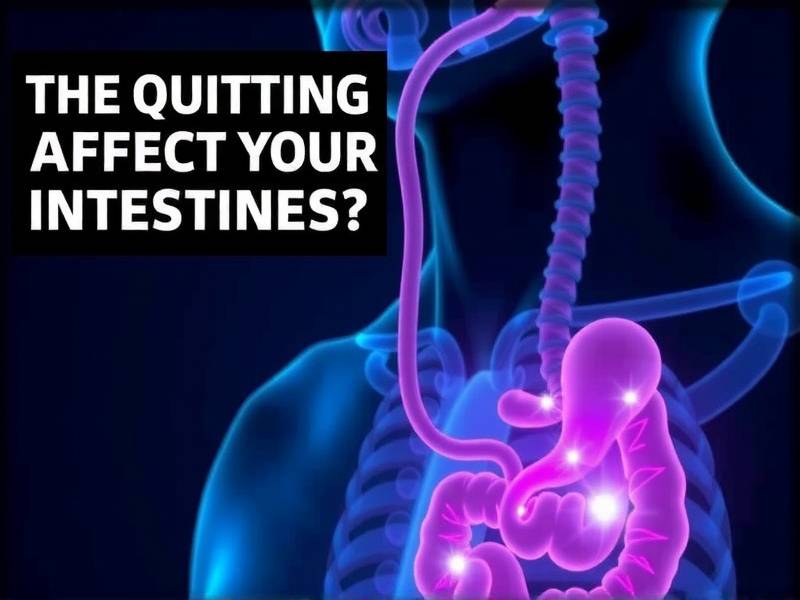
One of the most notable changes that occur in the gut after quitting smoking is the improvement in gut flora. Smoking has been linked to an imbalance in gut bacteria, which can lead to various health issues, including inflammatory bowel disease (IBD) and colorectal cancer.
Research has shown that individuals who quit smoking tend to experience a more balanced gut microbiome. This shift is attributed to reduced inflammation and increased diversity in bacterial species, which can improve digestion and overall gut health.
2. Decreasing Risk of Inflammatory Bowel Diseases
Inflammatory bowel diseases, such as Crohn's disease and ulcerative colitis, are more prevalent among smokers than non-smokers. Quitting smoking can significantly reduce the risk of developing these conditions.
By eliminating exposure to harmful chemicals found in tobacco smoke, individuals can lower their risk of developing IBDs. Furthermore, improved gut flora helps maintain a healthy immune response, reducing inflammation and preventing the onset of these diseases.
3. Lowering Risk of Colorectal Cancer
Smoking has been identified as a major risk factor for colorectal cancer. Quitting smoking not only reduces this risk but also improves the overall health of the intestines.
Research indicates that individuals who quit smoking have a lower incidence of colorectal cancer compared to those who continue smoking. This correlation is likely due to the reduction in oxidative stress and inflammation caused by quitting smoking.
4. Enhanced Digestive Function
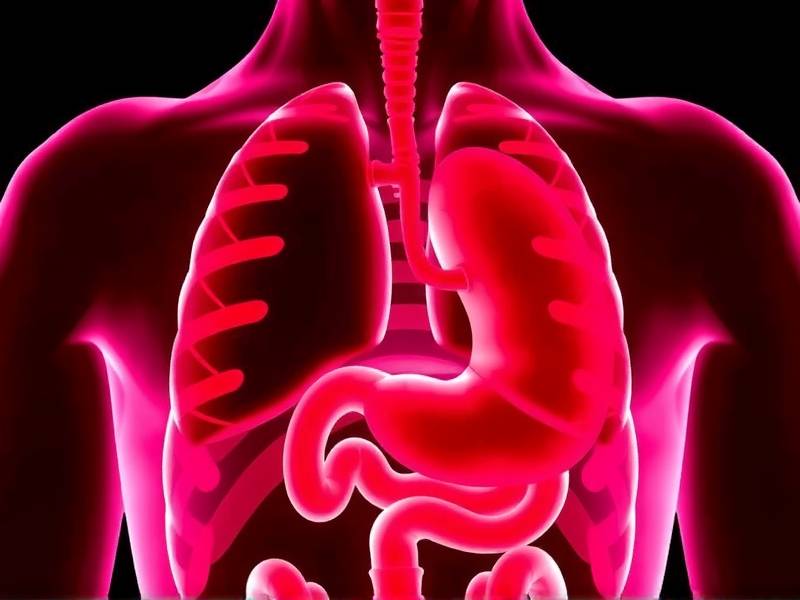
Quitting smoking can also lead to enhanced digestive function. Smokers often experience constipation or diarrhea due to impaired motility in the digestive tract caused by nicotine.
After quitting, individuals may notice improved bowel movements and a decrease in gastrointestinal discomfort as their digestive system begins to heal from years of tobacco exposure.
Conclusion:
In conclusion, quitting smoking can have a significant positive impact on your intestines and overall gut health. By improving gut flora, reducing inflammation, lowering the risk of IBDs and colorectal cancer, and enhancing digestive function, quitting smoking is an essential step towards achieving better intestinal health. So if you're contemplating quitting smoking for any reason, consider this another compelling reason to take that leap towards a healthier life!