
How Long Does It Take to Quit Smoking? The Truth About the Time Needed to Quit This Habit
How Long Does It Take to Quit Smoking? The Truth About the Time Needed to Quit This Habit
Introduction: Smoking is a habit that affects millions of people worldwide. Many smokers strive to quit, but the question that often lingers in their minds is, "How long does it take to quit smoking?" This article delves into the truth behind the time needed to break free from this addictive habit and offers insights into the journey of quitting smoking.
I. Understanding Nicotine Dependence: Nicotine is a highly addictive substance found in tobacco products. It affects the brain's reward system, making it challenging for smokers to quit. To understand the duration of quitting smoking, it's crucial to grasp the concept of nicotine dependence.

II. The Timeline of Quitting Smoking:
A. Withdrawal Symptoms: When you stop smoking, your body goes through withdrawal symptoms as it adjusts to the absence of nicotine. These symptoms can include cravings, irritability, anxiety, and mood swings. On average, withdrawal symptoms peak within 48 hours after quitting and gradually diminish over several weeks.
B. Physical Recovery: The physical recovery process varies among individuals but generally takes around three months for most smokers. During this period, your body starts repairing itself from years of tobacco exposure. Your immune system strengthens, and your lung function begins to improve.
C. Mental Readjustment: Breaking free from a habit like smoking involves mental readjustment as well. Some individuals may experience cravings or triggers that make them feel inclined to smoke again. It's essential to develop coping strategies and seek support during this phase.
III. Strategies for Successful Quitting:
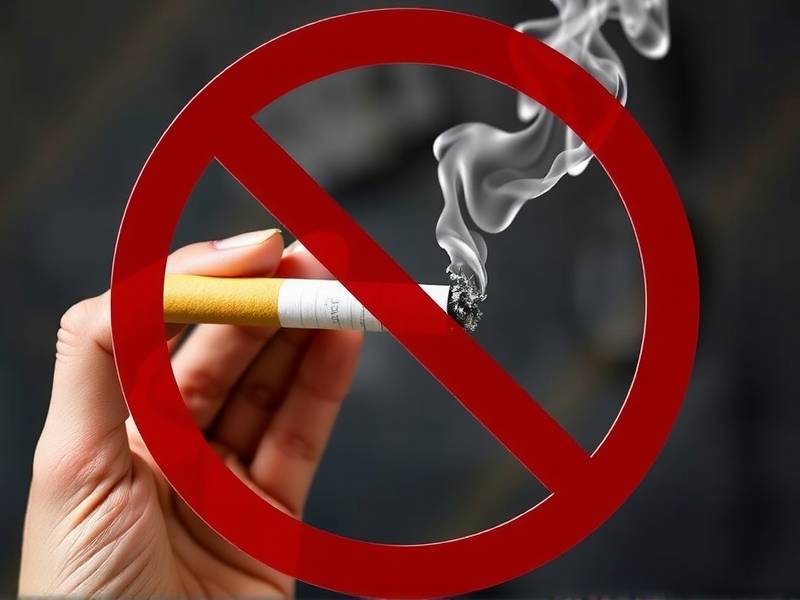
A. Set a Clear Goal: Determine why you want to quit smoking and set a clear goal with a specific timeline.
B. Create a Support System: Surround yourself with friends, family, or support groups who will encourage and motivate you throughout your journey.
C. Use Nicotine Replacement Therapy (NRT): NRT products like gum, patches, lozenges, or inhalers can help alleviate withdrawal symptoms by providing controlled doses of nicotine.
D. Explore Alternative Methods: Consider alternative methods such as hypnosis, acupuncture, or prescription medications under medical supervision.
E. Practice Self-Care: Engage in activities that promote relaxation and stress relief, such as exercise, meditation, or hobbies.
IV. The Importance of Persistence:
A common misconception is that quitting smoking is an all-or-nothing endeavor; however, it's important to understand that quitting smoking may require multiple attempts before success is achieved.
Conclusion: The duration it takes to quit smoking varies for each individual due to factors like nicotine dependence and personal circumstances. Understanding the timeline of quitting smoking helps set realistic expectations and encourages perseverance throughout the journey towards a smoke-free life.