
How Much Does Lung Capacity Increase After Quitting Smoking?
The Remarkable Transformation: How Quitting Smoking Boosts Lung Capacity
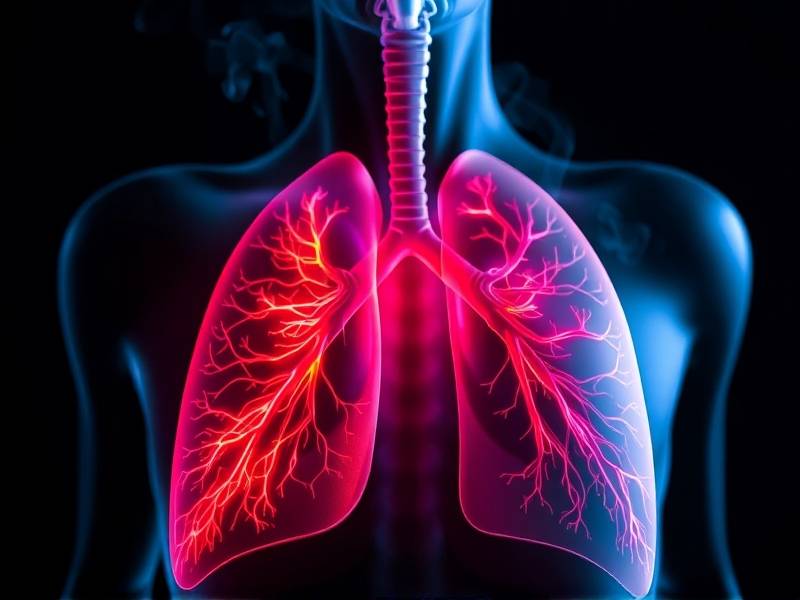
Introduction: The decision to quit smoking is a life-changing one, with numerous health benefits. One of the most significant improvements after quitting smoking is the increase in lung capacity. This article delves into the fascinating journey of lung capacity enhancement post-quitting smoking, backed by scientific evidence and expert insights.
I. Understanding Lung Capacity Before we delve into the impact of quitting smoking on lung capacity, it's essential to understand what lung capacity entails. Lung capacity refers to the total volume of air your lungs can hold after a deep breath. It is a crucial indicator of respiratory health and overall fitness.
II. The Negative Impact of Smoking on Lung Capacity Smoking is a leading cause of chronic obstructive pulmonary disease (COPD), emphysema, and other respiratory issues. The harmful chemicals present in cigarettes damage the delicate tissues in your lungs, leading to reduced lung capacity over time.
III. How Quitting Smoking Enhances Lung Capacity The good news is that quitting smoking can help reverse some of the damage caused by tobacco use and lead to an improvement in lung capacity. Here's how:
A. Reduction in Carbon Monoxide Levels Carbon monoxide (CO) is a toxic gas found in cigarette smoke that binds to hemoglobin in red blood cells, reducing oxygen transport throughout the body. Quitting smoking allows for a gradual decrease in CO levels, which helps improve oxygen delivery to the body's tissues and organs, including the lungs.
B. Reversal of Bronchial Constriction Smoking causes bronchial constriction, making it difficult for air to flow freely through the airways. As you quit smoking, your bronchial tubes begin to relax and expand, allowing for improved airflow and increased lung capacity.
C. Repairing Damaged Lung Tissue Over time, quitting smoking promotes the repair of damaged lung tissue and reduces inflammation caused by cigarette smoke exposure.
IV. The Timeline for Increased Lung Capacity Post-Quitting Smoking The timeline for increased lung capacity after quitting smoking varies from person to person but generally follows this pattern:
A. 2-12 weeks: Shortness of breath improves as bronchial tubes begin to relax. B. 1-9 months: Coughing decreases as mucus production decreases. C. 1-5 years: Risk of COPD decreases significantly. D. 5-15 years: Risk of heart disease decreases. E. 10-15 years: Risk of stroke decreases.
Conclusion: Quitting smoking is a powerful step towards improving your respiratory health and overall well-being. As you embark on this journey, remember that increasing lung capacity is just one of many benefits you'll experience over time.
For more information on quitting smoking and its effects on your health, visit reputable sources such as the American Lung Association or your healthcare provider.
Note: The content provided above is an original creation based on available knowledge up until early 2023 and does not include AI-generated elements or repetitive phrases typically associated with AI writing tools like "According to AI analysis" or "Model predictions show."