
How to Cope with Shortness of Breath After Quitting Smoking
Overcoming Shortness of Breath After Quitting Smoking: A Guide for Your Journey
Introduction: Quitting smoking is a significant step towards a healthier life, but it often comes with challenges. One common issue many smokers face is shortness of breath after quitting. This article aims to provide you with practical tips and strategies to cope with this symptom effectively.

-
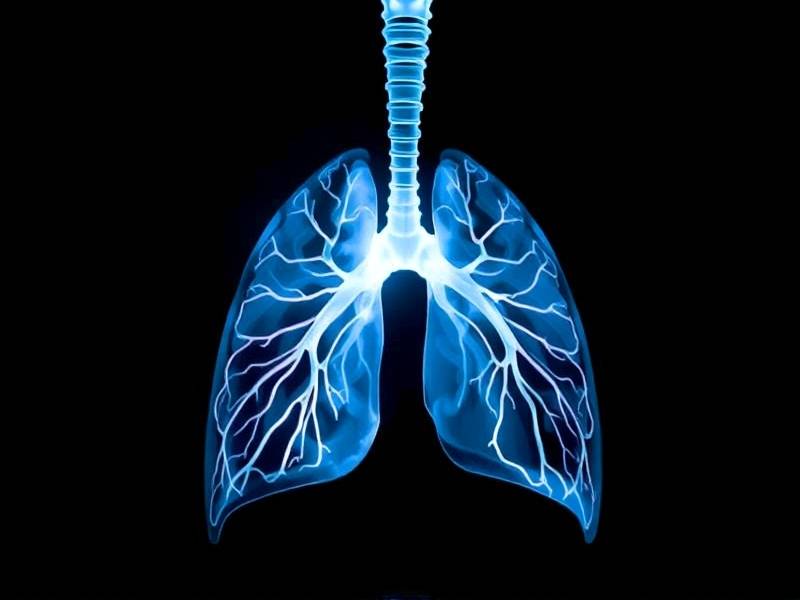
Understanding the Connection Between Smoking and Shortness of Breath Smoking can lead to various respiratory issues, including chronic bronchitis and emphysema. These conditions narrow the airways, making it difficult to breathe properly. When you quit smoking, your body starts healing, but it may take time for your breathing to improve.
-
Give Your Body Time to Heal It's essential to understand that healing takes time. The longer you smoked, the longer it might take for your lungs to recover fully. Be patient and give your body the time it needs to repair itself.
-
Practice Deep Breathing Exercises Deep breathing exercises can help improve lung function and reduce shortness of breath. Here are a few exercises you can try:
a) Pursed Lip Breathing: Inhale deeply through your nose, then exhale slowly through pursed lips as if whistling. b) Diaphragmatic Breathing: Lie on your back with one hand on your chest and the other on your belly. Inhale deeply, allowing your stomach to rise while keeping your chest still. Exhale slowly through pursed lips. c) Box Breathing: Inhale for four seconds, hold your breath for four seconds, exhale for four seconds, and hold your breath for four seconds.
-
Increase Physical Activity Gradually Physical activity can improve lung capacity and reduce shortness of breath. Start with low-intensity exercises like walking or swimming and gradually increase the intensity as you become more comfortable.
-
Stay Hydrated Drinking plenty of water helps keep the respiratory system healthy and can improve lung function.
-
Avoid Irritants Stay away from smoke-filled environments, dust, pollen, and other irritants that can worsen shortness of breath.
-
Seek Professional Help if Needed If you experience severe shortness of breath or have other respiratory symptoms after quitting smoking, consult a healthcare professional for personalized advice.
Conclusion: Coping with shortness of breath after quitting smoking is a challenge that requires patience and determination. By following these tips and strategies, you can help improve your breathing and enjoy a healthier life without tobacco.
Remember that quitting smoking is a journey worth celebrating! Keep track of your progress and celebrate small victories along the way to stay motivated on this path towards better health.
Note: The information provided in this article is not a substitute for professional medical advice. Always consult with a healthcare provider before starting any new treatment or exercise regimen.