
Are Palpitations Normal After Quitting Smoking?
Understanding Palpitations After Smoking Cessation: What You Need to Know
Introduction: Quitting smoking is a significant decision that can lead to numerous health benefits. However, it's not uncommon to experience various symptoms after giving up the habit. One of the most frequently asked questions by smokers who have quit is whether palpitations are normal after quitting smoking. In this article, we will explore the relationship between smoking cessation and palpitations, providing you with valuable insights to help you navigate this transition.
What are Palpitations? Palpitations refer to the sensation of irregular or rapid heartbeat, often described as "skipping a beat" or "fluttering." They can be caused by various factors, including stress, anxiety, dehydration, and certain medical conditions.

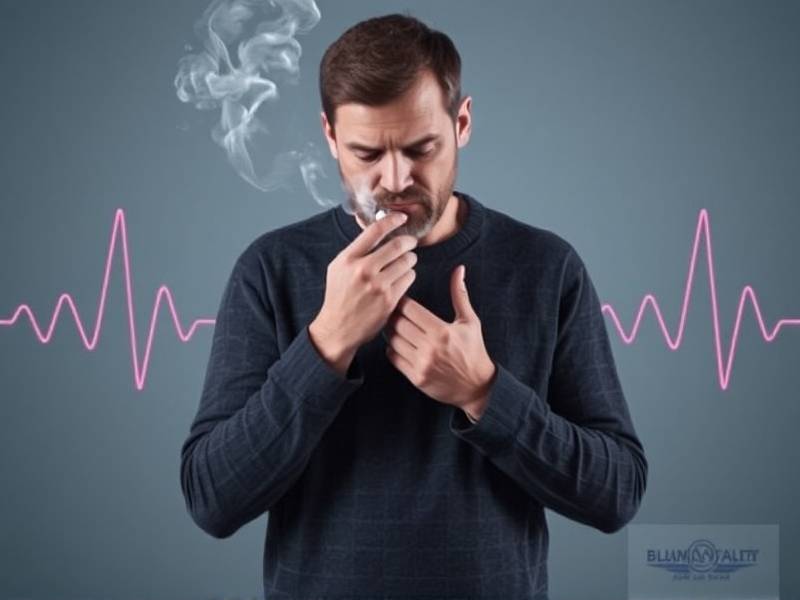
Are Palpitations Normal After Quitting Smoking? Yes, palpitations can be a common symptom experienced by individuals who have recently quit smoking. This occurs due to several reasons:
-
Nicotine Withdrawal: Nicotine is a stimulant that increases heart rate and constricts blood vessels. When you stop smoking, your body experiences nicotine withdrawal, which can cause an increase in heart rate and palpitations.
-
Stress and Anxiety: Quitting smoking can be stressful for some individuals. The fear of gaining weight or experiencing withdrawal symptoms may contribute to increased anxiety levels, which can further trigger palpitations.
-
Dehydration: Smokers tend to drink less water than non-smokers due to the diuretic effects of nicotine. Dehydration can lead to palpitations as it affects electrolyte balance in the body.
-
Increased Oxygen Supply: When you quit smoking, your body starts receiving more oxygen-rich blood. This increased oxygen supply can sometimes cause your heart rate to rise temporarily.
-
Heart Rate Variability: Smoking affects heart rate variability (HRV), which refers to the variation in time intervals between successive heartbeats. Quitting smoking may cause an initial increase in HRV before it stabilizes.
How Long Do Palpitations Last After Quitting Smoking? The duration of palpitations after quitting smoking varies from person to person. Some individuals may experience them for a few days or weeks while others might notice them for several months. In most cases, palpitations gradually diminish as your body adjusts to its new nicotine-free state.
Tips for Managing Palpitations After Quitting Smoking:
- Stay Hydrated: Drink plenty of water throughout the day to maintain proper hydration and electrolyte balance.
- Manage Stress: Engage in relaxation techniques such as deep breathing exercises, meditation, or yoga.
- Consult Your Healthcare Provider: If palpitations persist or worsen over time, it's essential to consult your doctor for further evaluation.
- Seek Support: Joining a support group or seeking counseling can provide emotional support during this challenging period.
- Focus on Positive Habits: Replace smoking with healthy habits like regular exercise or engaging in hobbies that promote relaxation.
Conclusion: Palpitations are indeed a common symptom experienced by individuals who have recently quit smoking. Understanding their causes and duration can help you manage this transition more effectively and reduce any concerns you may have about your health after quitting smoking. Remember that consulting with healthcare professionals is essential if palpitations persist or worsen over time.