
Why Do Your Gums Bleed After You Quit Smoking? The Science Behind the Issue
Why Do Your Gums Bleed After You Quit Smoking? The Science Behind the Issue
Introduction: Quitting smoking is a significant step towards improving your health, but it's not uncommon to experience unexpected side effects during the process. One of these is bleeding gums. If you've recently quit smoking and noticed blood when brushing your teeth, you're not alone. This article delves into the science behind why this happens and what you can do about it.
The Impact of Smoking on Your Gums
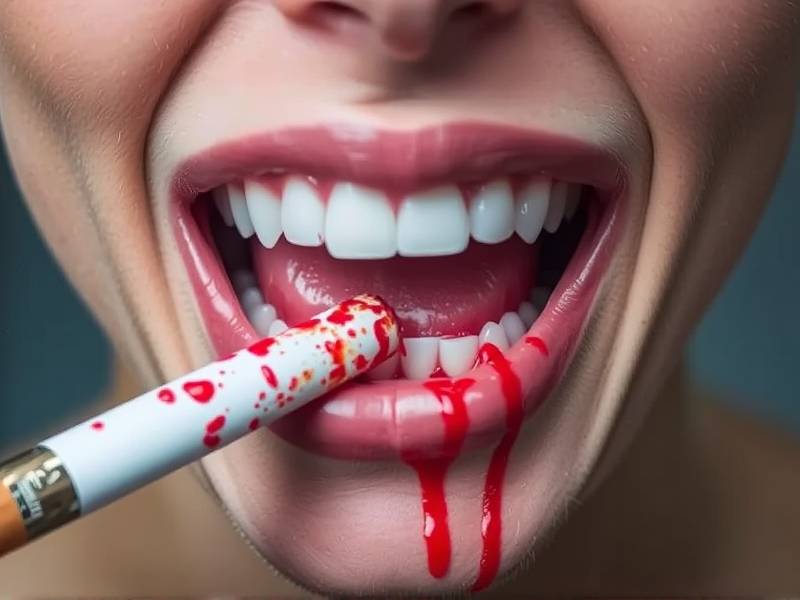
Smoking is a leading cause of gum disease, also known as periodontal disease. This chronic condition affects the gums and bone supporting your teeth. When you smoke, the blood vessels in your gums constrict, reducing their ability to heal and fight off infection. Over time, this can lead to inflammation and bleeding.
The Healing Process After Quitting Smoking
When you quit smoking, your body begins to heal itself from the damage caused by tobacco use. One of the first signs of this healing process is an increase in blood flow to your gums. This increased blood flow can make them more sensitive and prone to bleeding during routine activities like brushing or flossing.
Understanding Gum Bleeding
Here are a few reasons why your gums may bleed after quitting smoking:
-
Recovery from Gum Disease: As mentioned earlier, quitting smoking helps your body recover from gum disease. During this recovery phase, inflammation may increase temporarily before it decreases.
-
Increased Blood Flow: With less nicotine in your system, blood flow to your gums improves, making them more sensitive.
-
Improved Immune Response: Quitting smoking strengthens your immune system, which helps fight off bacteria that cause gum disease.
-
Improper Oral Hygiene: It's possible that improper oral hygiene practices are contributing to gum bleeding after quitting smoking.
What You Can Do

To manage gum bleeding after quitting smoking:
-
Brush Regularly: Brush your teeth at least twice a day with a soft-bristled brush and fluoride toothpaste.
-
Floss Daily: Flossing removes food particles and plaque between teeth that a toothbrush can't reach.
-
Use Mouthwash: An antiseptic mouthwash can help reduce bacteria in your mouth and prevent infection.
-
Visit Your Dentist: Regular dental check-ups are crucial for monitoring gum health after quitting smoking.
Conclusion:
Bleeding gums after quitting smoking are a sign of healing and an improved immune response in your body. While it may be uncomfortable initially, these symptoms typically diminish as your body continues to recover from years of tobacco exposure. By maintaining good oral hygiene practices and visiting your dentist regularly, you can ensure a healthy smile for years to come!