
Can You Still Get Lung Cancer 10 Years After Quitting Smoking? The Truth You Need to Know
Can You Still Get Lung Cancer 10 Years After Quitting Smoking? The Truth You Need to Know
Subheading: Unveiling the Facts About Post-Quitting Smoking Health Risks
Introduction: The decision to quit smoking is one of the most significant steps an individual can take for their health. Many people are aware of the immediate benefits of quitting, such as improved lung function and a decrease in the risk of heart disease. However, questions often arise about long-term health risks, including the possibility of developing lung cancer even after years of not smoking. In this article, we delve into the truth behind this concern and provide you with essential information.
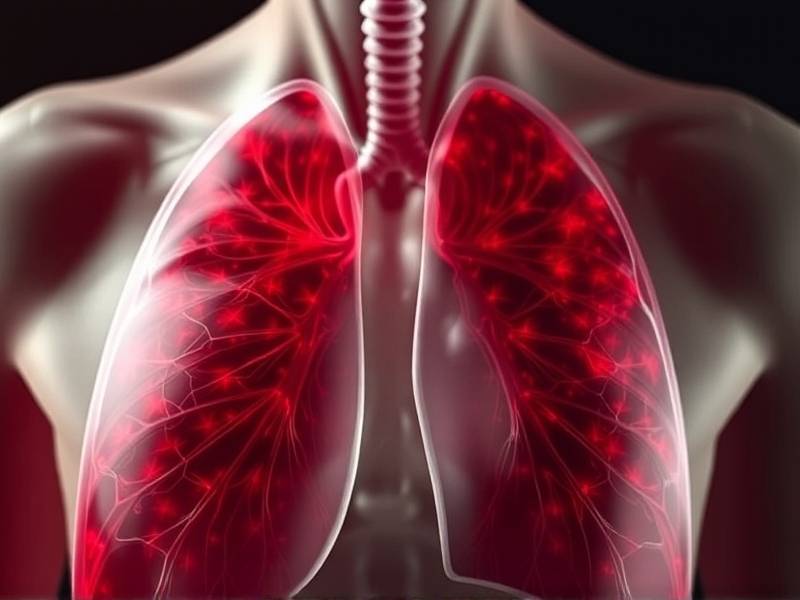
Understanding Lung Cancer Risk After Quitting Smoking
1. The Timeline of Risk Reduction
It's crucial to understand that the risk of developing lung cancer decreases significantly with each year after quitting smoking. According to the American Cancer Society, within five years of quitting, your risk for lung cancer drops by about 50%. After ten years, your risk is reduced by another 30% compared to a lifelong smoker.
2. The Role of Time
The notion that one can still develop lung cancer ten years after quitting is valid but not as alarming as it might seem. The key factor here is time. The longer you remain smoke-free, the lower your risk becomes. It's important to note that while ex-smokers still have a higher risk than those who have never smoked, it is significantly lower than it was when they were smoking.
3. Other Factors at Play
It's also essential to recognize that quitting smoking does not eliminate all risks associated with previous smoking habits. Exposure to secondhand smoke, radon gas, and other environmental factors can still contribute to an increased risk of lung cancer for former smokers.
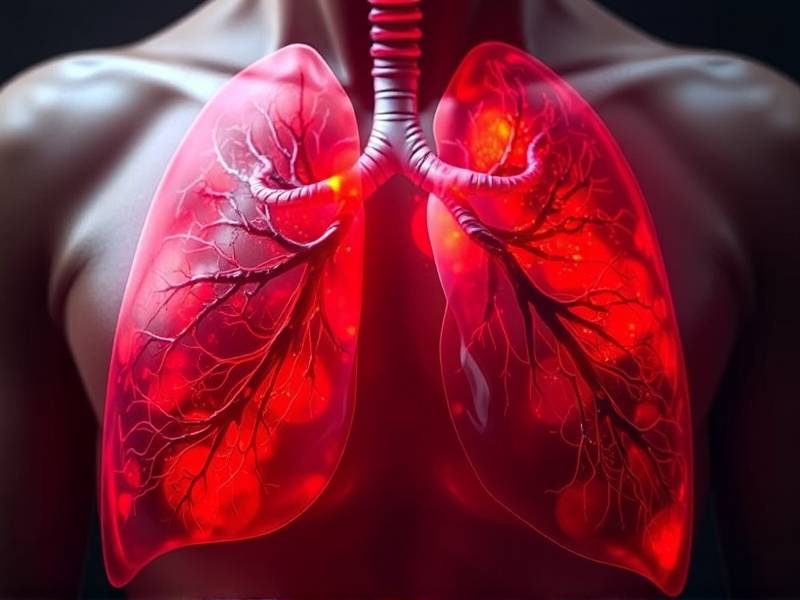
4. Regular Check-Ups Are Essential
To monitor your health and catch any potential issues early on, regular check-ups are vital for individuals who have a history of smoking. These check-ups can include imaging tests like CT scans and blood tests that may detect early signs of lung cancer.
The Importance of Staying Smoke-Free
While there is always a residual risk associated with past smoking habits, staying smoke-free remains the best way to minimize these risks further. By avoiding tobacco products and maintaining a healthy lifestyle, you can significantly reduce your chances of developing lung cancer or any other smoking-related illness.
Conclusion:
In conclusion, while it's true that individuals who quit smoking may still face an increased risk of developing lung cancer ten years later compared to those who have never smoked, this risk is much lower than it was during active smoking. Staying smoke-free and maintaining regular health check-ups are crucial steps in managing this ongoing concern. Remember that every year without tobacco use brings you closer to reducing your health risks and improving your overall quality of life.