
Is Quitting Smoking or Vaping Harder? Which One Is More Difficult to Give Up?
Introduction: The Battle Between Smoking and Vaping
In today's world, the debate between quitting smoking and quitting vaping rages on. Both habits are harmful to one's health, and both are difficult to break. But which one is harder to give up? This article delves into the complexities of both addictions, offering insights into why one might be more challenging than the other.
Understanding the Differences
Before we can determine which habit is harder to quit, it's essential to understand the differences between smoking and vaping.
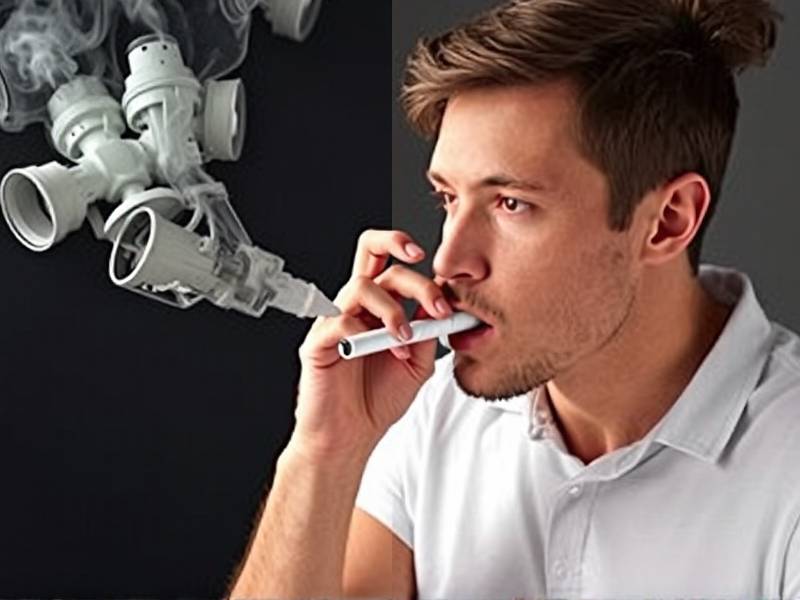
Smoking
Smoking involves burning tobacco leaves and inhaling the resulting smoke. This method has been around for centuries and is known for its strong smell and taste.

Vaping
Vaping, on the other hand, involves inhaling vapor produced by an electronic cigarette or similar device. This vapor typically contains nicotine, flavorings, and other chemicals.
Factors Influencing Quitting Difficulty
Now that we have a basic understanding of both habits, let's explore some factors that may influence how hard it is to quit each one.
Physical Dependence
One of the primary reasons quitting smoking or vaping can be challenging is due to physical dependence on nicotine. Both habits involve nicotine consumption, which can lead to withdrawal symptoms when attempting to quit.
Smoking
Smokers often experience withdrawal symptoms such as cravings, irritability, anxiety, depression, and weight gain when trying to quit. These symptoms can make it difficult for smokers to stay smoke-free.
Vaping
Vapers may also experience withdrawal symptoms when trying to quit. However, some argue that these symptoms may be less intense due to lower nicotine levels in e-cigarettes compared to traditional cigarettes.
Psychological Factors
Psychological factors play a significant role in addiction as well. These factors include:
Smoking
Smokers often associate smoking with certain activities or emotions, making it harder for them to break the habit. For example, many smokers use cigarettes as a way to cope with stress or boredom.
Vaping
Similarly, vapers may associate their habit with certain activities or emotions. Additionally, they may find it easier to conceal their habit compared to smokers due to the discreet nature of e-cigarettes.
The Role of Nicotine Replacement Therapy (NRT)
Nicotine Replacement Therapy (NRT) is a common method used by individuals attempting to quit smoking or vaping. NRT provides a controlled dose of nicotine without the harmful effects of tobacco smoke or vapor.
Smoking
NRT has been shown effective in helping smokers quit by reducing withdrawal symptoms and cravings. However, some smokers may find NRT less effective than others due to varying levels of physical dependence on nicotine.
Vaping
While NRT can be used for vapers as well, some experts argue that using e-cigarettes as a tool for quitting smoking could lead individuals back into traditional smoking habits if they do not fully transition away from nicotine use.
Conclusion: Which Habit Is Harder?
Ultimately, whether quitting smoking or vaping is harder depends on individual circumstances. Physical dependence on nicotine plays a significant role in determining how challenging it will be for someone trying to break their habit. However, psychological factors such as coping mechanisms and social influences should not be overlooked when considering this question.
In conclusion, both smoking and vaping present unique challenges when attempting to quit. By understanding these challenges and seeking support from healthcare professionals or support groups like Smokefree.gov (smokefree.gov), individuals can increase their chances of successfully breaking free from their addiction.