
How to Improve Lung Health After Quitting Smoking
The Journey to Better Breathing
Quitting smoking is a monumental step towards a healthier life, but the road to recovery doesn't end there. Many individuals who have quit smoking often wonder how they can further improve their lung health. This article delves into practical strategies and insights to help you breathe easier and enhance your overall lung function.
Understanding the Impact of Smoking on Lungs
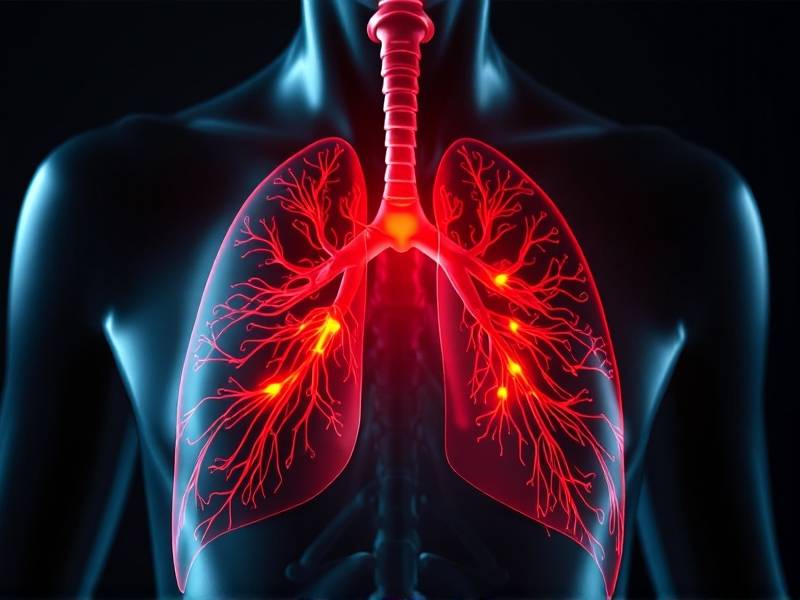
Smoking causes significant damage to the lungs, leading to conditions like chronic obstructive pulmonary disease (COPD), emphysema, and bronchitis. By quitting, you're taking the first step towards reversing some of this damage. However, it's essential to adopt additional measures to accelerate the healing process.
Step 1: Adopt a Healthy Diet
A balanced diet rich in fruits, vegetables, whole grains, lean proteins, and healthy fats can provide essential nutrients that support lung health. Antioxidants found in berries and green leafy vegetables can help reduce inflammation and repair damaged lung tissue.
Tips for a Lung-Healthy Diet:
- Incorporate plenty of leafy greens like kale and spinach.
- Add nuts and seeds for omega-3 fatty acids.
- Choose lean proteins such as chicken or fish.
- Avoid processed foods and excessive sugar intake.
Step 2: Increase Physical Activity
Regular exercise improves cardiovascular health and strengthens the respiratory muscles. Activities such as walking, swimming, or cycling can help clear mucus from the lungs and increase oxygen flow.
Exercise Recommendations:
- Aim for at least 150 minutes of moderate aerobic activity per week.
- Include strength training exercises two days a week.
Step 3: Practice Deep Breathing Techniques
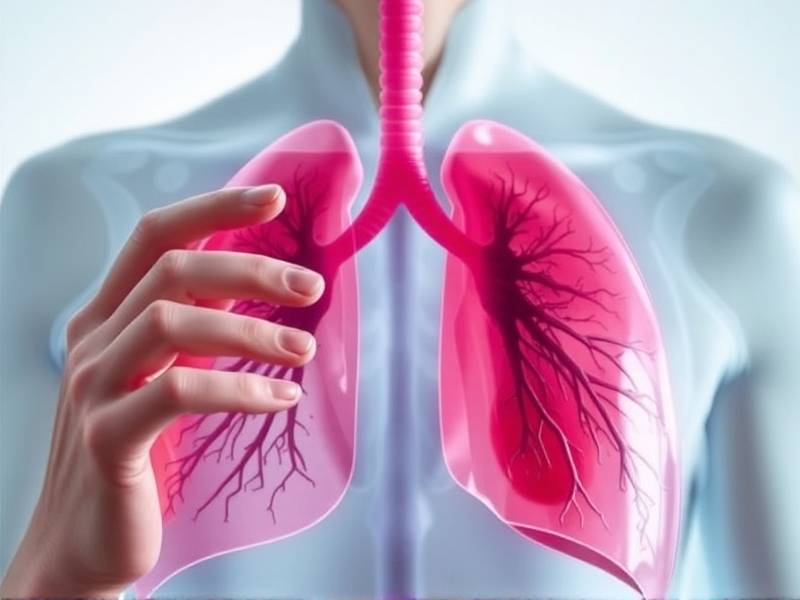
Deep breathing exercises can help improve lung capacity and enhance oxygen exchange. Techniques like diaphragmatic breathing can be particularly beneficial for smokers looking to improve their lung function.
Deep Breathing Exercises:
- Lie on your back with one hand on your chest and the other on your abdomen.
- Inhale deeply through your nose while pressing gently on your abdomen.
- Exhale slowly through pursed lips as if whistling.
Step 4: Stay Hydrated
Drinking plenty of water helps thin mucus in the lungs, making it easier to cough up. Aim for at least eight glasses of water per day.
Step 5: Avoid Environmental Pollutants
Exposure to secondhand smoke, dust, pollen, and other air pollutants can hinder lung recovery. Take steps to minimize exposure by using air purifiers at home and avoiding high-pollution areas when possible.
Step 6: Seek Professional Guidance
A healthcare provider can offer personalized advice based on your specific health needs. Pulmonary rehabilitation programs are also available to help individuals regain their strength and independence after quitting smoking.
Conclusion
Improving lung health after quitting smoking is a gradual process that requires dedication and patience. By adopting a healthy lifestyle that includes proper nutrition, regular exercise, deep breathing techniques, staying hydrated, avoiding pollutants, and seeking professional guidance when needed, you can significantly enhance your respiratory well-being. Remember that every breath counts – take control of your health today!