
How to Strengthen Your Lungs After Quitting Smoking
How to Strengthen Your Lungs After Quitting Smoking: A Comprehensive Guide
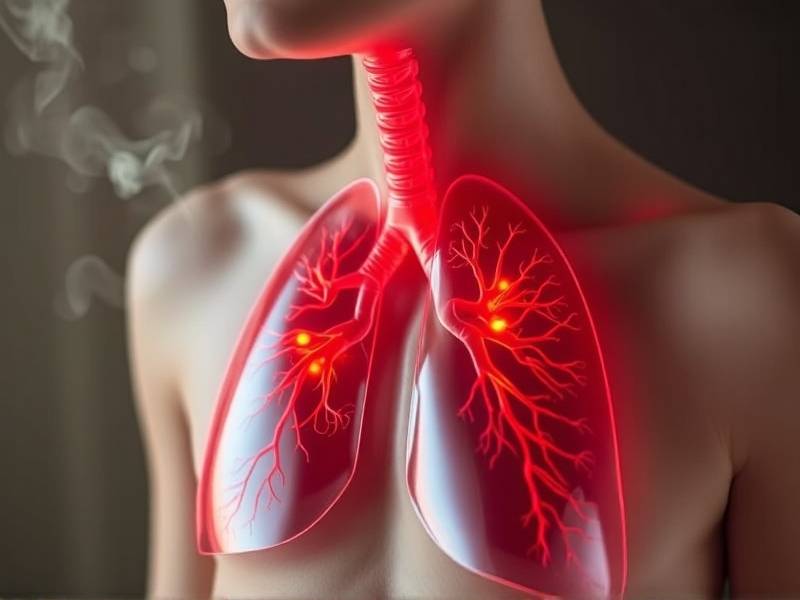
Introduction: Quitting smoking is a significant step towards a healthier lifestyle. However, the journey doesn't end there. Many smokers struggle with lung health after quitting, as the lungs have been damaged by years of smoking. This article will provide you with practical tips and strategies to strengthen your lungs after quitting smoking.
-
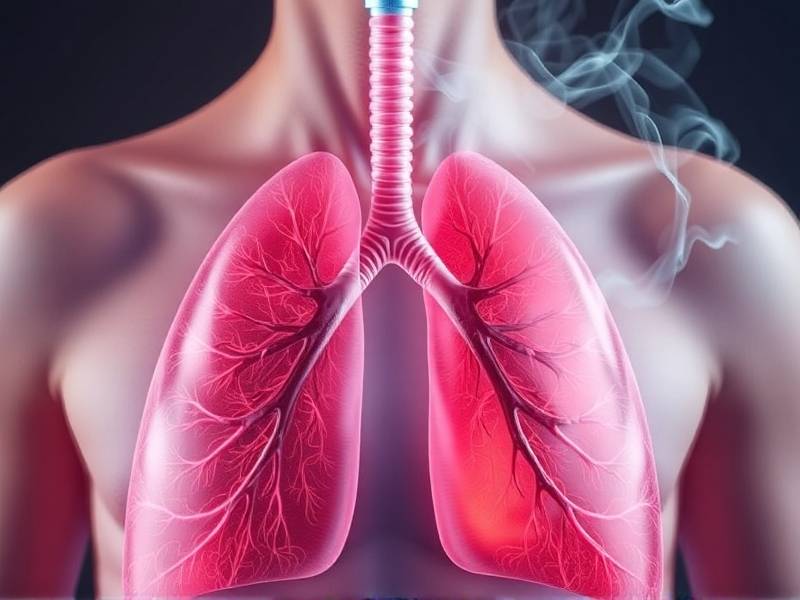
Regular Exercise: Physical activity is crucial for improving lung function and overall health. Engaging in regular exercise, such as walking, jogging, or cycling, can help increase lung capacity and improve oxygen flow throughout the body.
-
Deep Breathing Techniques: Deep breathing exercises can help clear out mucus from the lungs and improve lung function. Techniques like pranayama (yoga breathing) or diaphragmatic breathing can be beneficial.
-
Avoid Exposure to Pollutants: Protecting your lungs from harmful pollutants is essential after quitting smoking. Minimize exposure to secondhand smoke, dust, pollen, and other irritants that can worsen lung health.
-
Quitting Other Habits: Some individuals may develop new habits that can harm their lungs after quitting smoking. Avoid excessive alcohol consumption, smoking tobacco products other than cigarettes (such as cigars or pipes), and using recreational drugs.
-
Stay Hydrated: Drinking plenty of water helps keep the mucus in your lungs thin and easier to expel. Aim for at least eight glasses of water per day.
-
Eat a Healthy Diet: A balanced diet rich in fruits, vegetables, whole grains, lean proteins, and healthy fats can support lung health after quitting smoking. Foods high in antioxidants may help reduce oxidative stress caused by smoking.
-
Quitting Smoking Support Groups: Joining a support group for individuals who have quit smoking can provide motivation and valuable advice on how to maintain your newfound freedom from tobacco addiction while strengthening your lungs.
-
Regular Check-ups with Your Doctor: It's essential to schedule regular check-ups with your doctor to monitor your lung health after quitting smoking. They can provide personalized advice based on your specific needs and help you address any concerns or complications that may arise.
-
Use Nicotine Replacement Therapy (NRT) if Needed: If you're struggling with nicotine withdrawal symptoms after quitting smoking, consider using NRT products such as nicotine gum or patches under the guidance of a healthcare professional.
Conclusion: Strengthening your lungs after quitting smoking is a gradual process that requires commitment and dedication. By incorporating these tips into your daily routine, you'll be well on your way to improving your lung health and enjoying a healthier life overall. Remember that it's never too late to start taking care of yourself—your lungs will thank you!