
Can Quitting Smoking Really Cause Heartburn? A Comprehensive Guide
Can Quitting Smoking Really Cause Heartburn? A Comprehensive Guide
Introduction: Quitting smoking is a significant step towards improving overall health, but it's not uncommon to experience various withdrawal symptoms. One such symptom that often raises concerns is heartburn. In this comprehensive guide, we will delve into the relationship between quitting smoking and heartburn, exploring the causes, symptoms, and effective management strategies.
Section 1: Understanding Heartburn 1.1 What is Heartburn? Heartburn is a common condition characterized by a burning sensation in the chest or throat, often accompanied by a sour taste in the mouth. It occurs when stomach acid backs up into the esophagus, leading to irritation and discomfort.
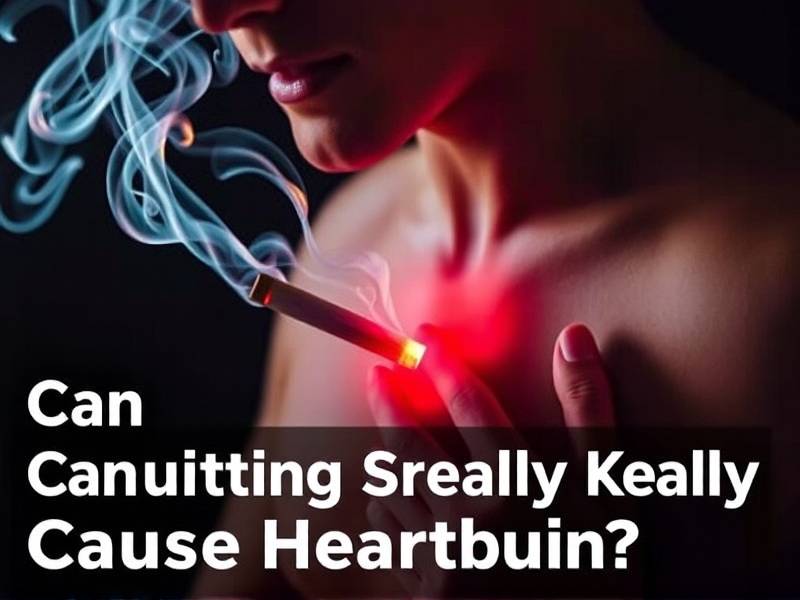
1.2 Causes of Heartburn Several factors can trigger heartburn, including:
- Overeating or eating spicy or fatty foods
- Eating too quickly or lying down after meals
- Certain medications or medical conditions
Section 2: The Link Between Quitting Smoking and Heartburn 2.1 How Smoking Affects the Esophagus Smoking has been found to weaken the lower esophageal sphincter (LES), a muscle that separates the stomach from the esophagus. This weakened LES allows stomach acid to flow back into the esophagus more easily, increasing the risk of heartburn.
2.2 Withdrawal Symptoms After Quitting Smoking When you quit smoking, your body goes through withdrawal symptoms as it adjusts to not having nicotine. One of these symptoms can be an increase in stomach acid production, leading to heartburn.
Section 3: Managing Heartburn After Quitting Smoking 3.1 Lifestyle Changes Several lifestyle modifications can help alleviate heartburn after quitting smoking:
- Avoiding trigger foods such as spicy or fatty foods, citrus fruits, and alcohol.
- Eating smaller meals more frequently instead of large meals.
- Not lying down immediately after eating and avoiding bending over.
- Maintaining a healthy weight.
3.2 Medications and Treatments Over-the-counter medications like antacids or proton pump inhibitors (PPIs) can provide temporary relief from heartburn symptoms. However, it's essential to consult with a healthcare professional before starting any medication.
3.3 Alternative Therapies Some individuals find relief from heartburn through alternative therapies such as acupuncture or herbal remedies. It's crucial to research these options thoroughly and consult with a healthcare professional before trying them.
Conclusion: While quitting smoking may indeed lead to an increase in heartburn symptoms due to withdrawal effects and weakened LES muscle, there are various strategies available for managing these symptoms effectively. By implementing lifestyle changes, seeking appropriate medical advice, and exploring alternative therapies if needed, individuals can successfully manage heartburn while on their journey towards better health.

Remember that quitting smoking has numerous long-term benefits for your cardiovascular health and overall well-being. Don't let temporary discomfort deter you from making this positive change in your life!