
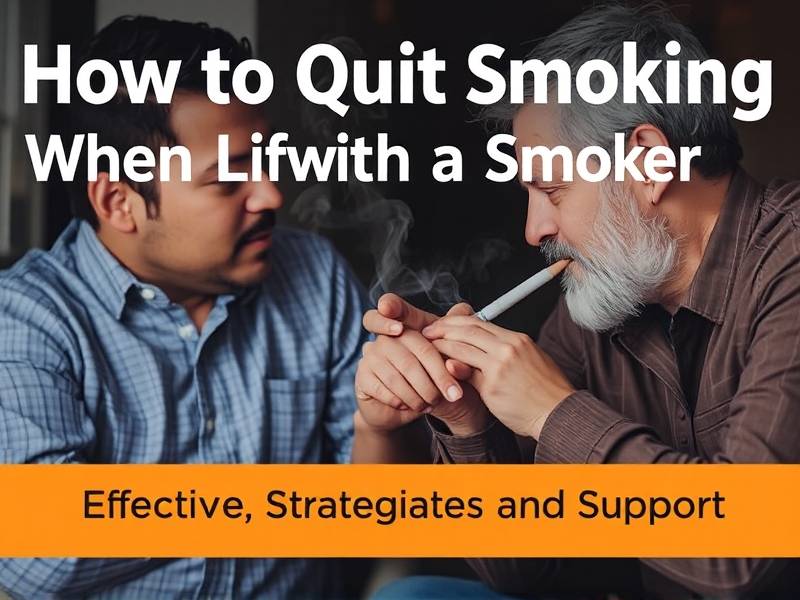
How to Quit Smoking When Living With a Smoker: Effective Strategies and Support
How to Quit Smoking When Living With a Smoker: Effective Strategies and Support
Introduction: Living with a smoker can make quitting smoking a challenging endeavor. The constant exposure to secondhand smoke can weaken your resolve and make the journey more difficult. However, it's not impossible to quit smoking when living with a smoker. By adopting effective strategies and seeking support, you can overcome the obstacles and achieve your goal of a smoke-free life.
-
Create a Smoke-Free Zone at Home: Establishing a smoke-free zone in your living space is crucial. This will help reduce your exposure to secondhand smoke and create an environment that supports your quit attempt. Communicate with your roommate or family members about the importance of this zone and encourage them to respect it.
-
Identify Triggers: Understanding what triggers your smoking cravings is essential in developing strategies to overcome them. Common triggers include stress, boredom, or social gatherings. Once you identify these triggers, find alternative activities or coping mechanisms to replace smoking.
-
Seek Support: Quitting smoking is easier when you have support from friends, family, or professionals. Consider joining a support group for smokers who are trying to quit or seeking guidance from a healthcare provider who specializes in addiction treatment.
-
Use Nicotine Replacement Therapy (NRT): NRT products like patches, gum, lozenges, or inhalers can help alleviate nicotine withdrawal symptoms and reduce cravings. Consult with a healthcare professional to determine the best NRT option for you.
-
Practice Mindfulness Techniques: Mindfulness exercises such as meditation, deep breathing, or progressive muscle relaxation can help manage stress and reduce cravings during moments of temptation.
-
Stay Active: Engaging in regular physical activity can improve your mood, reduce stress levels, and keep your mind off smoking. Find activities you enjoy and make them part of your daily routine.
-
Set Realistic Goals: Break down your quit journey into smaller milestones rather than focusing on the end goal of never smoking again. Setting realistic goals will give you something to celebrate along the way and keep you motivated.

-
Monitor Your Progress: Keep track of your progress by recording days without smoking or noting any improvements in health or well-being. This will help you stay focused on your goals and recognize the positive changes happening in your life.
-
Be Patient with Yourself: Quitting smoking is not an easy task; it requires patience and resilience. Understand that setbacks are normal, but don't let them discourage you from continuing your journey towards becoming smoke-free.
-
Stay Positive: Maintaining a positive mindset is crucial during the quitting process. Surround yourself with positive influences and remind yourself of the benefits of quitting smoking for both your health and those around you.
Conclusion: Quitting smoking when living with a smoker may seem daunting at first, but by implementing these effective strategies and seeking support from others, you can overcome challenges and achieve success in becoming smoke-free for good.