
What Happens to Your Body When You Quit Smoking: A Timeline of Changes
Embarking on the journey to quit smoking is a significant step towards better health. Understanding the changes that occur in your body as you kick the habit can be both motivating and insightful. This article provides a detailed timeline of the transformations your body undergoes after quitting smoking, giving you a clearer picture of why quitting is worth every effort.
Immediate Benefits: The First 48 Hours
1. Improved Oxygen Supply
Within hours of quitting, your blood oxygen levels begin to rise, leading to increased energy and alertness.
2. Decreased Carbon Monoxide Levels
Carbon monoxide levels drop significantly within 12 hours, allowing your blood to carry more oxygen.
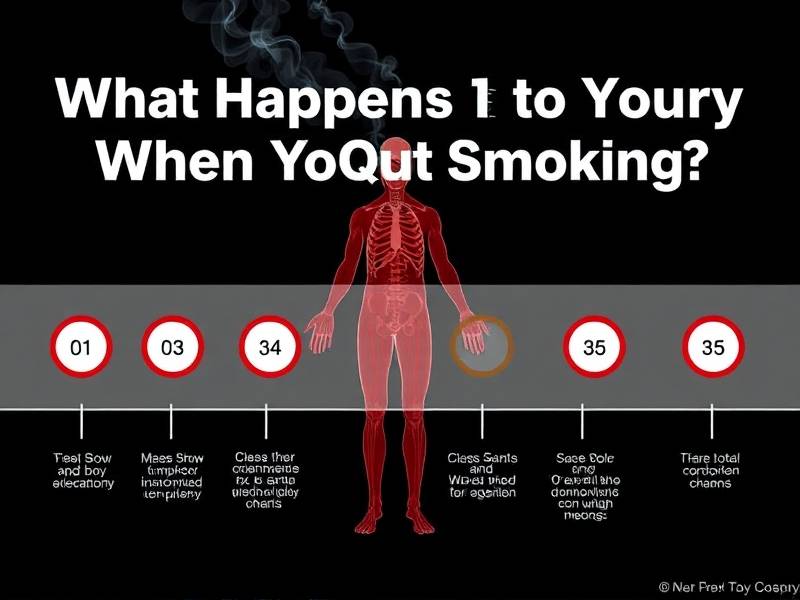
Short-Term Benefits: The First Two Weeks
3. Reduced Coughing and Shortness of Breath
The first two weeks after quitting are often characterized by a decrease in coughing and improved breathing.
4. Enhanced Taste and Smell
Your senses of taste and smell start to return, making food more enjoyable and potentially reducing the urge to smoke.
Medium-Term Benefits: The First Three Months
5. Improved Circulation
Circulation improves within three months, reducing the risk of heart disease and stroke.
6. Enhanced Lung Function
Lung capacity starts to improve, with many quitters experiencing fewer respiratory problems.
Long-Term Benefits: The First Year
7. Reduced Risk of Heart Disease
After one year without smoking, your risk of heart disease is cut in half compared to continuing smokers.
8. Improved Immune System
Your immune system strengthens over time, leading to fewer infections and illnesses.
Ongoing Benefits: Beyond One Year
9. Lower Risk of Cancer
The longer you stay smoke-free, the lower your risk for various types of cancer becomes.
10. Increased Life Expectancy
Over time, non-smokers have a lower risk of death from smoking-related diseases compared to those who continue smoking.
By understanding these changes, you can stay motivated on your journey towards a smoke-free life. Remember that quitting smoking is not just about avoiding immediate health risks; it's about improving your overall quality of life in the long run.
Stay Informed Keep yourself informed about the benefits of quitting smoking by reading credible sources such as health organizations like the American Lung Association or the Centers for Disease Control and Prevention (CDC). These resources offer valuable information that can help you stay committed to your goal.
Seek Support Quitting smoking can be challenging, but support from friends, family, or support groups can make a significant difference. Consider joining online communities or seeking professional help if needed.
Celebrate Milestones Celebrate each milestone along your journey—whether it's one day smoke-free or one year without tobacco—these small victories add up to a healthier future.
Remember that every step towards quitting is progress. Your body will thank you for it!