
How Long Will I Cough Up Phlegm After Quitting Smoking?
The Journey Beyond the Cough: How Long Phlegm Persists Post-Quitting Smoking
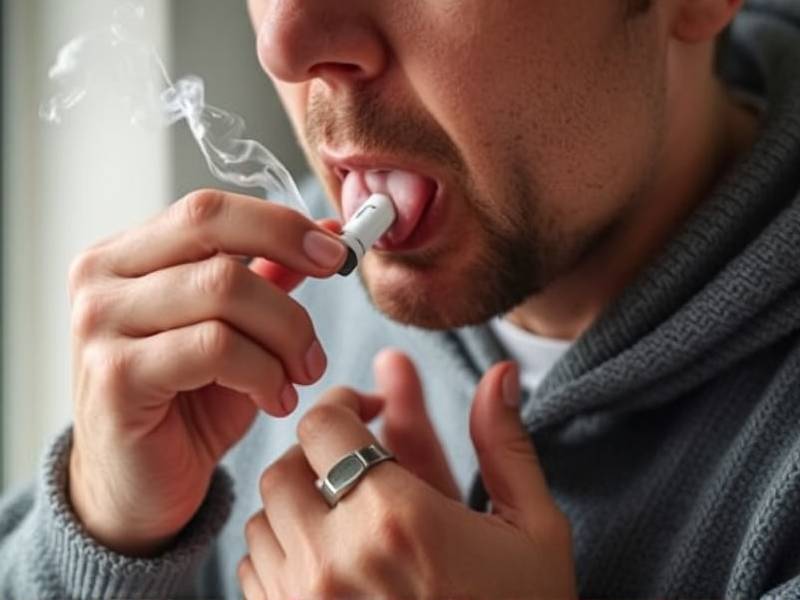
Subheading: Understanding the Temporary Discomfort After a Smoke-Free Life
Embarking on the journey to quit smoking is a commendable decision. However, one common concern among smokers transitioning to a smoke-free lifestyle is the persistence of coughing and the production of phlegm. This article delves into how long you might expect to cough up phlegm after quitting smoking and what you can do to alleviate this discomfort.
What Causes Coughing and Phlegm After Quitting Smoking?
When you stop smoking, your body begins to heal from years of exposure to harmful chemicals. One of the immediate effects is an increased production of mucus, which can lead to coughing. The body is clearing out irritants that have accumulated in your lungs over time.
How Long Will I Cough Up Phlegm?
The duration for which you may experience coughing and phlegm varies from person to person. Generally, most individuals find that these symptoms start to decrease within a few weeks after quitting. Here's a breakdown:
- First Few Weeks: You may notice an increase in mucus production as your body works overtime to expel tar and other toxins.
- 1-3 Months: Symptoms should begin to subside significantly during this period.
- 6 Months: Most people report that their cough has almost entirely resolved by this time.
- 1 Year: Your lungs will continue to improve, and any residual cough or phlegm should be much less frequent and intense.
Tips for Managing Post-Quitting Coughing
While waiting for your body to heal, there are several strategies you can employ:
- Stay Hydrated: Drinking plenty of water helps thin mucus, making it easier for your body to expel it.
- Gargle with Salt Water: This can provide relief from sore throats often associated with increased mucus production.
- Steam Therapy: Inhaling steam can help loosen mucus and reduce congestion.
- Avoid Irritants: Stay away from smoke-filled rooms, dust, pollen, and other irritants that could exacerbate symptoms.
When Should I Seek Medical Attention?
In most cases, coughing and phlegm post-quitting smoking are a sign of healing rather than cause for alarm. However, if you experience persistent symptoms or if they worsen over time, it's wise to consult with a healthcare provider.
Conclusion
The journey towards better health post-quitting smoking includes both physical challenges and emotional ups and downs. While dealing with increased mucus production might seem daunting at first, remember that it's a sign of your body's natural healing process. By staying hydrated, taking care of yourself, and maintaining patience, you'll likely see significant improvement in just a few months.
As you take this important step towards a healthier life, remember that every day without a cigarette is progress towards better health—both physically and mentally.