
How Long After Quitting Smoking Will My Gum Disease Improve?
The Timeline for Gum Disease Improvement Post Smoking Cessation
Introduction: Quitting smoking is a significant step towards improving overall health, and one of the most common concerns among smokers is the impact on their oral health. Gum disease, also known as periodontal disease, is a prevalent condition that can be exacerbated by smoking. This article explores how long it takes for gum disease to improve after quitting smoking, providing valuable insights for individuals looking to enhance their oral health.
Understanding Gum Disease and Smoking Gum disease is an inflammatory condition that affects the gums and supporting structures of the teeth. Smoking has been identified as a major risk factor for gum disease due to its detrimental effects on the immune system and blood vessels.

How Smoking Impairs Oral Health Smoking reduces blood flow to the gums, which hinders the body's ability to heal and fight off infections. This can lead to more severe cases of gum disease and make it more challenging to treat effectively.
Timeline for Gum Disease Improvement Post Smoking Cessation
1. Immediate Benefits As soon as you quit smoking, your body begins to repair itself. The initial improvement in gum health may be subtle but can be observed within days or weeks.
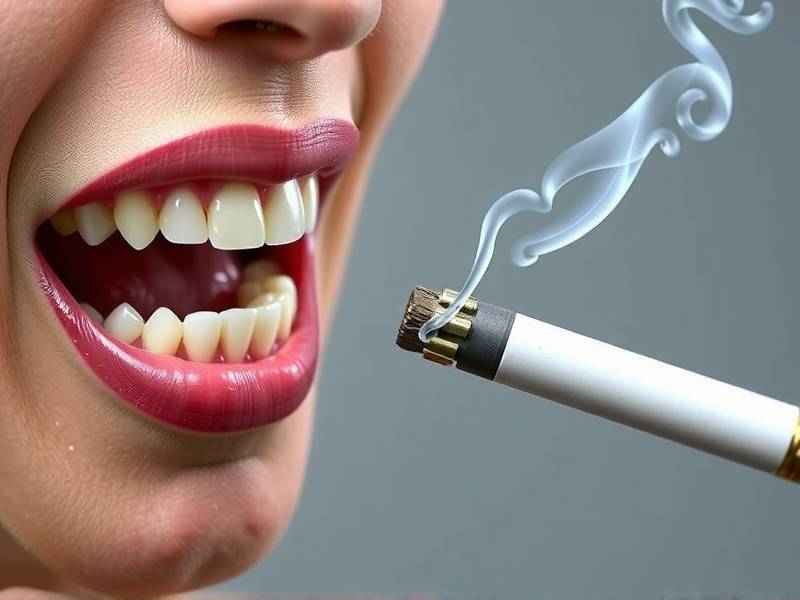
2. Early Improvement (1-3 Months) Within the first three months after quitting smoking, you may notice a reduction in gum inflammation and bleeding. The body's immune system starts to recover, leading to better control of gum disease.
3. Moderate Improvement (3-6 Months) After about six months of quitting smoking, you should experience moderate improvements in gum health. The gums may appear less red and puffy, and there should be a decrease in bleeding during brushing or flossing.
4. Long-Term Improvements (6+ Months) Continued improvement in gum health can be expected beyond six months post-smoking cessation. Deep pockets between the teeth and gums may start to shrink, reducing the risk of tooth loss.
5. Ongoing Care While quitting smoking can significantly improve gum health, it's essential to maintain good oral hygiene practices and regular dental check-ups to ensure long-term oral health.
Conclusion: Quitting smoking is a crucial step towards improving gum health. While improvements may take time, the benefits are well worth the effort. By adopting a proactive approach to oral care and maintaining a smoke-free lifestyle, individuals can enjoy better oral health outcomes post-smoking cessation.