
Do Lungs Really Get Clearer After Quitting Smoking?
The Truth Behind Lung Clarity: Does Quitting Smoking Make a Difference?
Introduction: The decision to quit smoking is a significant one, often driven by health concerns and the desire for a better quality of life. One common belief is that after quitting, lungs become clearer and healthier. But does this claim hold true? Let's delve into the science behind this notion and explore whether there's any truth to the idea that quitting smoking can lead to clearer lungs.
Understanding the Damage Smoking is well-known for its detrimental effects on lung health. When you inhale tobacco smoke, it contains harmful chemicals that can cause inflammation, damage the lining of your airways, and lead to chronic respiratory diseases like chronic obstructive pulmonary disease (COPD) and lung cancer.
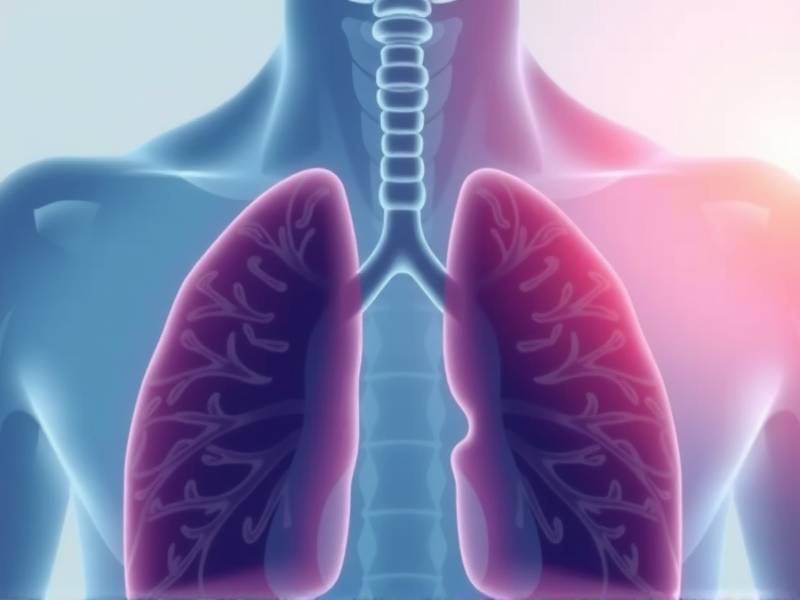
The Process of Lung Healing When you quit smoking, your body begins to heal itself. The first few weeks are crucial as your body starts to rid itself of nicotine and other toxins. Here's what happens:
- Weeks 1-3: You'll likely notice an improvement in your sense of smell and taste as your olfactory receptors start to recover.
- Weeks 3-9: Your lung function begins to improve as the cilia (tiny hair-like structures in your airways) start regenerating. This helps clear mucus from your lungs more effectively.
- Months 1-9: Your risk of heart disease starts to decrease as blood vessels begin to repair themselves.
- Years 1-15: Your risk of developing lung cancer continues to drop significantly compared to those who continue smoking.
The Clearing Process As your body heals, you might feel as though your lungs are getting clearer. This sensation can be attributed to several factors:
- Increased Oxygen Levels: Without tobacco smoke clogging up your airways, more oxygen reaches your lungs, which can make you feel more energetic and less short of breath.
- Reduced Inflammation: As inflammation decreases, you may find it easier to breathe deeply.
- Cilia Restoration: The regrowth of cilia helps remove debris from your lungs more efficiently.
Scientific Evidence Numerous studies have supported the idea that quitting smoking does indeed lead to improved lung function over time. For example:
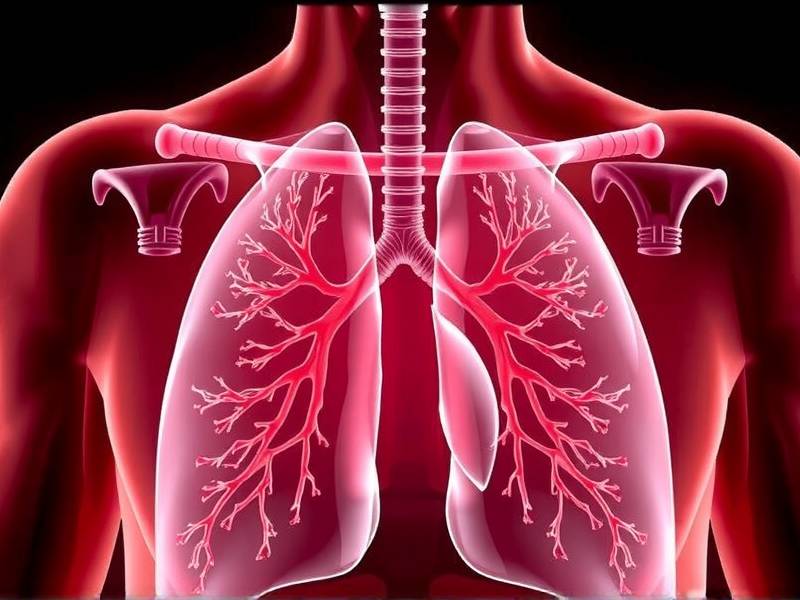
- A study published in the American Journal of Respiratory and Critical Care Medicine found that former smokers had significantly better lung function than current smokers.
- Another study in the Journal of Thoracic Disease showed that ex-smokers had lower levels of inflammatory markers in their blood compared to those who continued smoking.
Conclusion: While it's not an immediate or dramatic change, there is scientific evidence suggesting that quitting smoking does lead to clearer lungs over time. The healing process may vary from person to person, but the benefits are well-documented. If you're considering quitting, know that every day without a cigarette is a step towards healthier lungs and a better quality of life.