
How Do I Clean My Lungs After Quitting Smoking?
Introduction: The Journey to a Healthier Breath
Quitting smoking is a significant step towards improving your health, and with it comes the promise of cleaner lungs. The process of lung cleaning after quitting can be a slow and steady journey. In this article, we'll explore various methods and tips to help you on this path to better breathing.
Understanding the Impact of Smoking on Your Lungs
Smoking not only damages your lungs but also impairs their ability to function effectively. The toxins from cigarettes can lead to inflammation, scarring, and reduced oxygen exchange capacity. By quitting, you begin the process of reversing these effects, but how can you accelerate this healing?
1. Hydration: The First Step
Drinking plenty of water is crucial after quitting smoking. It helps flush out the toxins that have accumulated in your body and supports lung function. Aim for at least eight glasses a day.
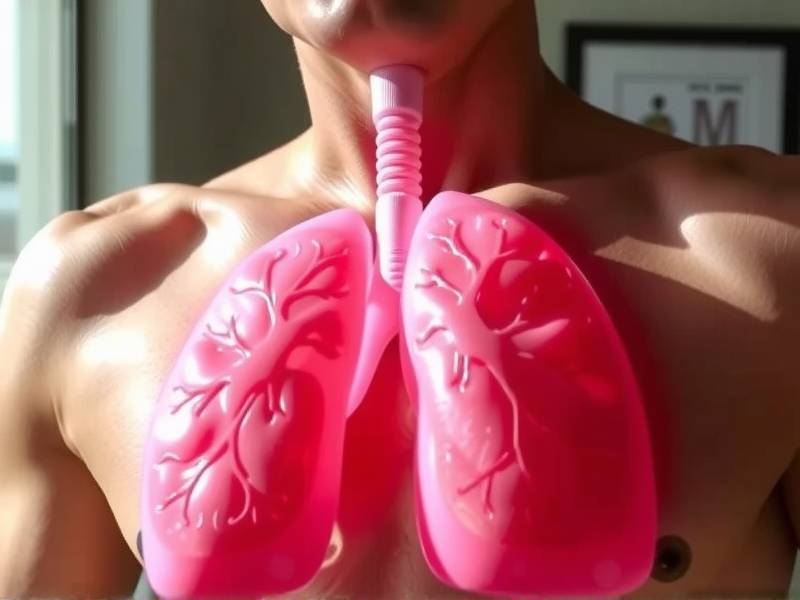
Enhancing Lung Function Through Exercise
Physical activity is another key component in cleaning your lungs post-quitting. Regular exercise increases lung capacity and improves overall respiratory health.
2. Start with Gentle Exercises
Begin with low-impact exercises such as walking or swimming, which are gentle on the lungs yet effective in promoting better breathing.
3. Progress Gradually
As your lung capacity improves, you can gradually increase the intensity of your workouts to enhance your lung function further.
Breathing Techniques for Lung Health
In addition to exercise, specific breathing techniques can help clear mucus from the lungs and improve oxygen flow.
4. Practice Deep Breathing Exercises
Deep breathing exercises, like diaphragmatic breathing or pursed-lip breathing, can help clear out trapped air and mucus in the lungs.
Nutritional Support for Lung Healing
A balanced diet rich in vitamins and minerals can support lung healing after quitting smoking.
5. Incorporate These Foods into Your Diet
- Vitamin C: Found in citrus fruits, bell peppers, and strawberries, vitamin C helps reduce inflammation.
- Vitamin E: Nuts, seeds, and leafy greens are good sources of vitamin E, which protects lung cells.
- Antioxidants: Blueberries, dark chocolate, and green tea contain antioxidants that combat free radicals.
The Role of Professional Support
Seeking professional advice can be invaluable when trying to clean your lungs after quitting smoking.
6. Consult Healthcare Providers
Healthcare professionals can provide personalized advice on managing respiratory symptoms post-quitting and may recommend pulmonary rehabilitation programs or other treatments.
Monitoring Your Progress
Tracking your progress is an essential part of maintaining motivation and understanding how well you're doing.
7. Keep a Journal
Documenting any changes in your respiratory health or energy levels can help you stay motivated and aware of improvements over time.
Conclusion: A Breath of Fresh Air Awaits
Cleaning your lungs after quitting smoking is a gradual process that requires patience and dedication. By staying hydrated, exercising regularly, practicing breathing techniques, eating a nutritious diet, seeking professional support when needed, and monitoring your progress, you'll be well on your way to healthier lungs. Remember that every step forward is a victory for your health—breathe deeply!