
Do People Usually Get Coughs After Quitting Smoking?
Understanding the Post-Quitting Smoking Cough: A Comprehensive Guide
Introduction: Quitting smoking is a significant step towards improving one's health. However, it is not uncommon for individuals to experience various withdrawal symptoms, including coughing. In this article, we will delve into the reasons behind post-quit coughs and provide insights into managing this common issue.
Section 1: Why Do People Cough After Quitting Smoking?
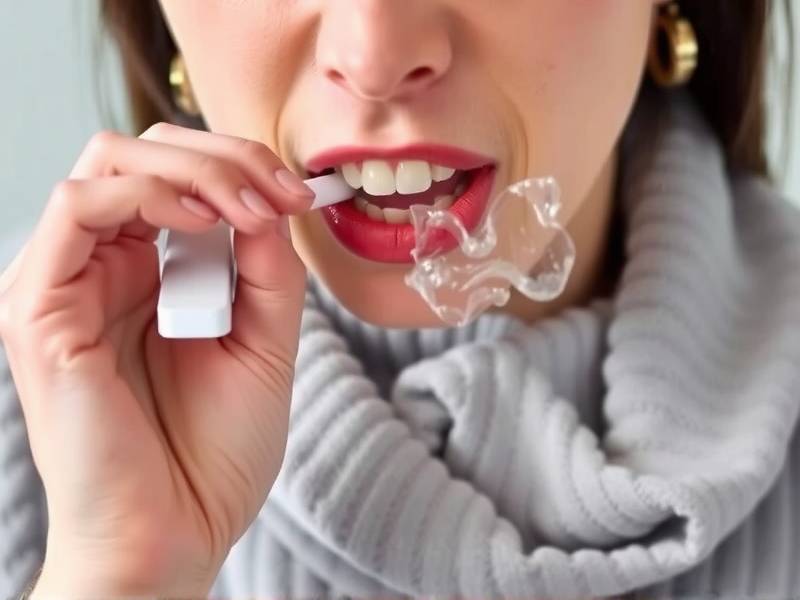
Subheading: The Role of Nicotine Withdrawal When you quit smoking, your body starts to recover from the harmful effects of nicotine. One of the consequences of this recovery process is an increase in mucus production in the respiratory system. This excess mucus can lead to coughing as your body tries to clear it out.
Subheading: Healing the Lungs Another reason for post-quit coughs is the healing process of your lungs. Smokers' lungs are often damaged due to prolonged exposure to harmful chemicals in tobacco smoke. As your lungs begin to heal, they may produce more mucus and cause coughing.
Section 2: Managing Post-Quit Cough
Subheading: Staying Hydrated Drinking plenty of fluids can help thin out mucus and make it easier for your body to expel it. Aim for at least eight glasses of water per day.
Subheading: Using a Humidifier Using a humidifier can add moisture to the air in your home, making it easier for your respiratory system to handle mucus production.
Subheading: Gargling with Salt Water Gargling with warm salt water can help soothe your throat and reduce coughing. Mix half a teaspoon of salt in a cup of warm water and gargle for a few minutes several times a day.
Subheading: Avoiding Irritants Avoid exposure to irritants such as dust, pollen, or smoke, as these can exacerbate post-quit cough symptoms.
Section 3: When Should You Seek Medical Attention?
While post-quit coughs are usually temporary and manageable, there are instances where medical attention may be necessary:
Subheading: Persistent Cough If you experience a persistent cough that lasts longer than three weeks after quitting smoking, it is advisable to consult with a healthcare professional.
Subheading: Shortness of Breath or Chest Pain If you experience shortness of breath or chest pain along with your post-quit cough, seek immediate medical attention as these symptoms could indicate a more serious condition.

Conclusion: Quitting smoking is an excellent decision for your health. While post-quit coughs are common and usually temporary, understanding their causes and management strategies can help make the process smoother. Remember that seeking medical attention when necessary is crucial for ensuring your overall well-being during this transition.