
How to Clean Out Your Lungs After Quitting Smoking: Effective Methods for Lung Health
How to Clean Out Your Lungs After Quitting Smoking: Effective Methods for Lung Health
Introduction: Quitting smoking is a significant step towards improving your overall health. However, the journey doesn't end there. Many smokers find that their lungs need some time to heal and recover from the years of tobacco exposure. In this article, we will explore effective methods to clean out your lungs after quitting smoking, focusing on lung health and well-being.
Understanding the Process of Lung Recovery
-
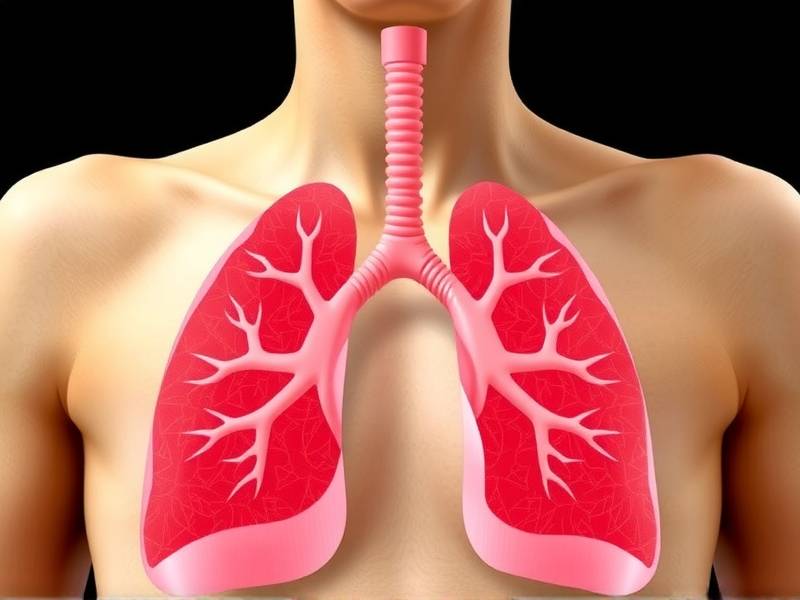
The Healing Journey After quitting smoking, your lungs begin a healing process that can take several months to years. The extent of damage and recovery time can vary from person to person, depending on the duration and intensity of smoking.
-
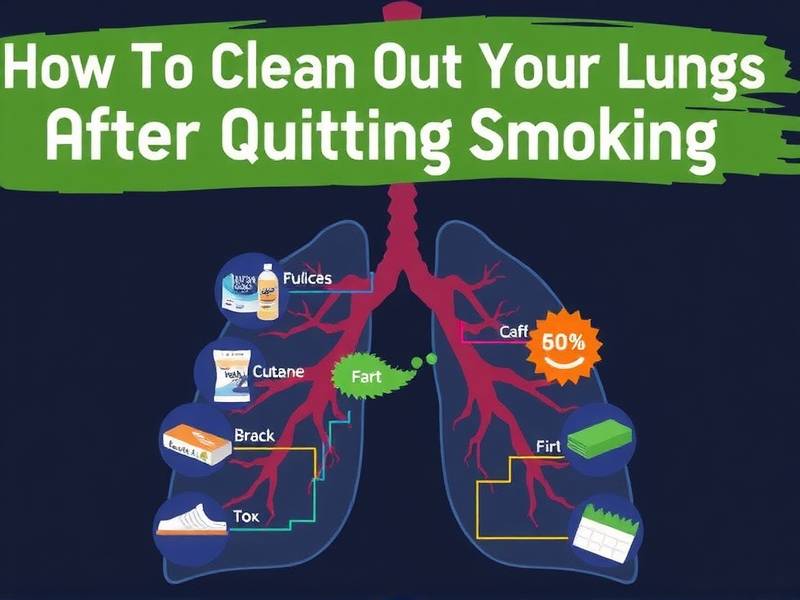
The Role of Cilia Your lungs have tiny hair-like structures called cilia that help remove mucus and debris from the airways. Smoking damages these cilia, but as you quit, they start to regenerate, improving your lung function.
Effective Methods for Lung Health
-
Deep Breathing Exercises Engaging in deep breathing exercises can help clear out trapped mucus in your lungs. Techniques like diaphragmatic breathing or pursed-lip breathing are particularly beneficial.
-
Regular Physical Activity Regular exercise increases blood flow and oxygenation throughout the body, including the lungs. Activities such as walking, jogging, or swimming are excellent choices.
-
Hydration Staying hydrated helps thin mucus and makes it easier for your body to expel it from the lungs. Aim for at least eight glasses of water per day.
-
Avoiding Environmental Pollutants Exposure to secondhand smoke, air pollution, and other irritants can hinder lung recovery. Minimize exposure by avoiding smoky areas and using air purifiers at home.
-
Nutrition A balanced diet rich in fruits, vegetables, lean proteins, and healthy fats can support lung repair and overall health.
-
Vaping Alternatives If you're considering switching from traditional cigarettes to e-cigarettes or other nicotine replacement therapies (NRTs), be aware that these products still contain harmful chemicals that can damage your lungs.
-
Professional Guidance Consult with a healthcare professional who can provide personalized advice on lung health after quitting smoking.
-
Mindfulness Practices Stress management techniques such as meditation or yoga can help reduce anxiety and improve lung function by promoting relaxation.
Conclusion: Cleaning out your lungs after quitting smoking is a gradual process that requires patience and dedication. By incorporating these effective methods into your lifestyle, you can support your lung health and improve your chances of fully recovering from the effects of tobacco use. Remember that every breath you take post-quit is a step towards better health—a gift you're giving yourself for years to come.