
Can Lungs Really Heal from Quitting Smoking?
Can Lungs Really Heal from Quitting Smoking?
Introduction: The debate over whether the human lungs can truly heal after quitting smoking has been a topic of interest for many. As an advocate for healthier lifestyles, it is crucial to explore this subject thoroughly and provide a balanced perspective. In this article, we will delve into the science behind lung healing, discuss the process of recovery, and highlight the importance of quitting smoking.
Understanding Lung Damage Smoking is a leading cause of chronic obstructive pulmonary disease (COPD), lung cancer, and other respiratory conditions. When you inhale tobacco smoke, harmful chemicals enter your lungs, causing inflammation and damage to the delicate tissues. Over time, this damage can lead to irreversible changes in lung function.
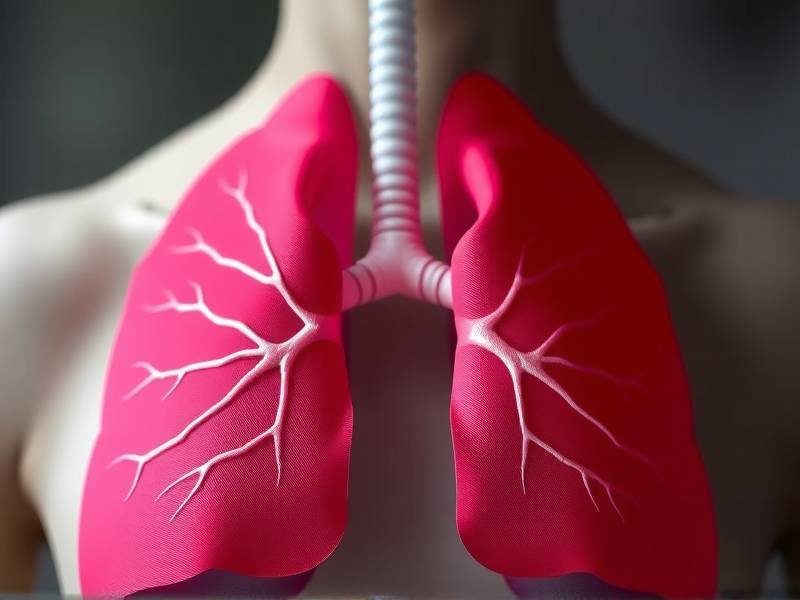
The Healing Process Research indicates that the human body has an incredible ability to heal itself. When you quit smoking, your lungs begin to repair themselves by clearing out toxins and reducing inflammation. Here's what happens during the healing process:
-
Immediate Benefits: Within 20 minutes of quitting, your heart rate and blood pressure start to decrease as your body begins to rid itself of nicotine.
-
One Year: After one year without smoking, your risk of heart disease is cut in half compared to that of a continuing smoker.
-
Five Years: Your risk of stroke decreases significantly after five years of not smoking.
-
Ten Years: Your risk of lung cancer drops by about half compared to that of continuing smokers.
-
Fifteen Years or More: Your risk of dying from COPD is similar to that of someone who never smoked.
Factors Affecting Lung Healing While quitting smoking is a crucial step towards lung healing, it's important to note that not everyone experiences the same level of improvement due to various factors:
-
Duration and Severity of Smoking: The longer you smoked and the more cigarettes you smoked daily, the more significant your lung damage may be.
-
Age at Quitting: The younger you are when you quit smoking, the better your chances for full recovery.
-
Genetic Factors: Some individuals may have a genetic predisposition that affects their ability to heal damaged lungs.
-
Environmental Factors: Exposure to secondhand smoke or air pollution can further exacerbate lung damage.
Conclusion: While there is no guarantee that all smokers will experience complete lung healing after quitting, research demonstrates that giving up smoking significantly reduces your risk for developing serious respiratory diseases and improves overall health outcomes. Embracing a smoke-free lifestyle not only benefits your lungs but also has positive effects on other aspects of your well-being.
By understanding the healing process and its associated factors, individuals can make informed decisions about their health and take proactive steps towards improving their quality of life after quitting smoking. Remember, it's never too late to start anew—your lungs will thank you!