
When You Quit Smoking, You Start Eating More? A Popular Meme Explains the Science Behind It
"When You Quit Smoking, Does Your Appetite Take Over? Unveiling the Truth Behind the Trending Meme"
Introduction: The internet is buzzing with a popular meme that suggests a significant increase in appetite after quitting smoking. But is there any truth to this claim? In this article, we'll delve into the science behind this phenomenon and explore why some smokers experience an increase in appetite when they quit.
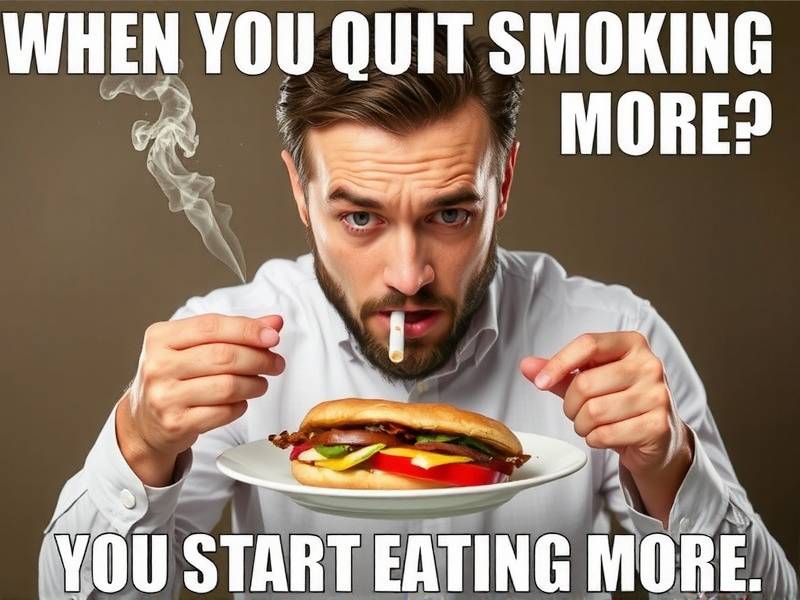
Understanding the Meme: The meme often depicts a cartoonish image of a person with a cigarette and a pile of food, captioned with phrases like "When you quit smoking, you start eating more!" While it may seem like just another humorous observation, there's actually some science to back up this claim.
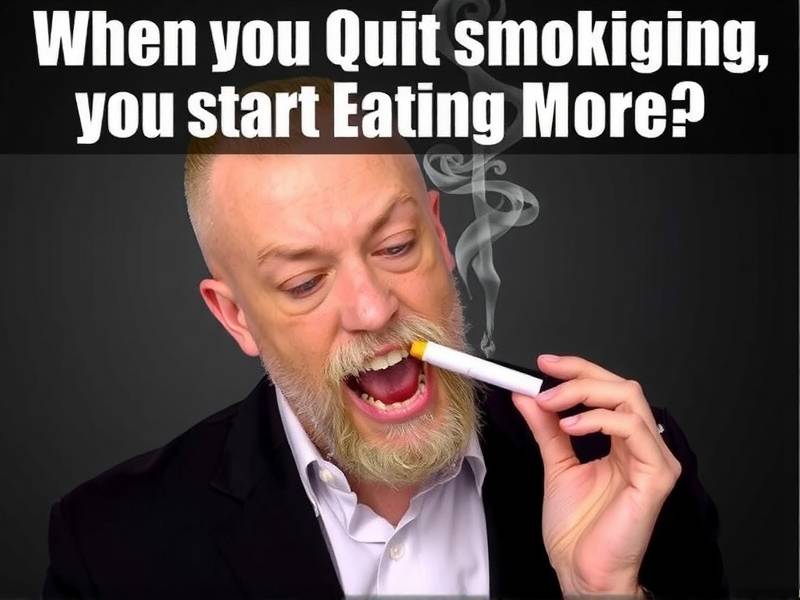
The Role of Nicotine: Nicotine, the addictive substance found in cigarettes, plays a crucial role in regulating appetite. When you smoke, nicotine stimulates certain areas of your brain that are involved in appetite control. This stimulation can suppress your appetite temporarily.
The Aftermath of Quitting: Once you stop smoking, the nicotine levels in your body begin to decline. This drop can lead to an increase in hunger as your brain starts to regain its natural balance. Additionally, quitting smoking can also lead to improved taste and smell perception, making food more appealing.
The Science Explained: Research has shown that nicotine affects the release of certain neurotransmitters in your brain, such as dopamine and norepinephrine. These neurotransmitters are responsible for regulating appetite and energy levels. When nicotine levels decrease after quitting smoking, these neurotransmitters may become overactive, leading to increased hunger.
Tips for Managing Increased Appetite: If you're experiencing an increase in appetite after quitting smoking, here are some tips to help manage it:
- Stay Hydrated: Sometimes thirst can be mistaken for hunger. Drinking plenty of water throughout the day can help curb your appetite.
- Choose Healthy Snacks: Opt for nutritious snacks like fruits, vegetables, or nuts instead of high-calorie processed foods.
- Plan Your Meals: Eating smaller meals more frequently can help control hunger and prevent overeating.
- Stay Active: Regular exercise can help regulate your metabolism and reduce cravings.
- Seek Support: Joining a support group or seeking counseling from a healthcare professional can provide guidance and motivation during your quit journey.
Conclusion: While the popular meme about increased appetite after quitting smoking may seem exaggerated at first glance, there's scientific evidence to support it. Understanding the relationship between nicotine and appetite control can help smokers navigate their quit journey more effectively. Remember that managing increased appetite is just one aspect of quitting smoking; focusing on overall health and well-being is key to long-term success.