
How Long Does It Take for Cholesterol to Lower After Quitting Smoking?
Unveiling the Timeline: How Quickly Cholesterol Levels Decline Post-Quitting Smoking
Introduction: The decision to quit smoking is a significant step towards improving one's health. Among the myriad of benefits that quitting smoking offers, one stands out prominently: the positive impact on cholesterol levels. But how long does it take for cholesterol to lower after quitting smoking? This article delves into this intriguing question, providing insights based on recent studies and expert opinions.
Section 1: Understanding Cholesterol and Smoking
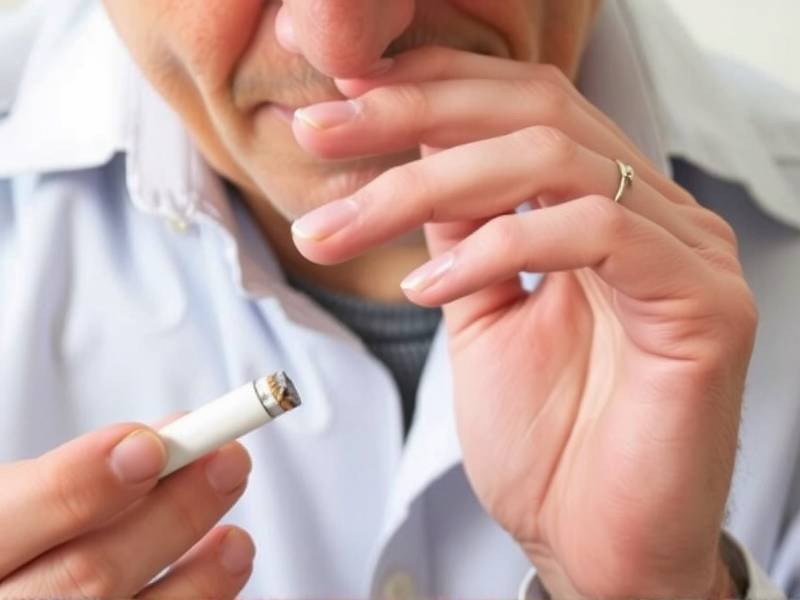
What is Cholesterol? Cholesterol is a waxy substance found in your blood. It's an essential part of your body, as it helps produce hormones, vitamin D, and digestive substances. However, high levels of cholesterol can lead to various health problems, including heart disease.

How Does Smoking Affect Cholesterol Levels? Smoking has been proven to increase levels of bad cholesterol (LDL) in the blood and decrease levels of good cholesterol (HDL). This imbalance can lead to plaque buildup in arteries, increasing the risk of heart attacks and strokes.
Section 2: The Timeline for Cholesterol Level Decline Post-Quitting Smoking
Immediate Impact According to the American Heart Association (AHA), within 24 hours of quitting smoking, your heart rate drops back to normal. While this might not directly impact cholesterol levels immediately, it's a positive sign for your cardiovascular health.
Weeks 1-3 Within a few weeks after quitting smoking, your HDL (good) cholesterol levels begin to rise as your body starts repairing damage caused by smoking. Additionally, carbon monoxide levels in your blood drop back to normal.
Months 4-6 After about four months of quitting smoking, you'll notice significant improvements in your HDL cholesterol levels. Your risk of having a heart attack or stroke also begins to decline during this period.
Years 1-2 Within one to two years after quitting smoking, your risk for heart disease is cut in half compared with someone who continues to smoke. Your HDL cholesterol level will continue to improve during this time.
Long-term Impact After five years without smoking, your risk for stroke is similar to that of a non-smoker. Ten years post-quitting, you'll have about the same risk for cancer as someone who never smoked.
Conclusion: Quitting smoking is an essential step towards improving overall health and reducing the risk of various diseases. Understanding how quickly you can expect improvements in your cholesterol levels can provide motivation and hope for those looking to quit. While the timeline varies from person to person, it's clear that making the decision to quit can lead to significant health benefits over time.