
Is It Normal to Have Lung Pain After Quitting Smoking?
Understanding the Aftereffects of Quitting Smoking: Is Lung Pain Normal?
Introduction: Quitting smoking is a significant step towards improving one's health. However, the journey towards a smoke-free life isn't always smooth. Many individuals experience various aftereffects, and one of the most common concerns is lung pain. In this article, we will delve into whether it's normal to have lung pain after quitting smoking and explore the reasons behind it.
Understanding Lung Pain After Quitting Smoking
What is Lung Pain?
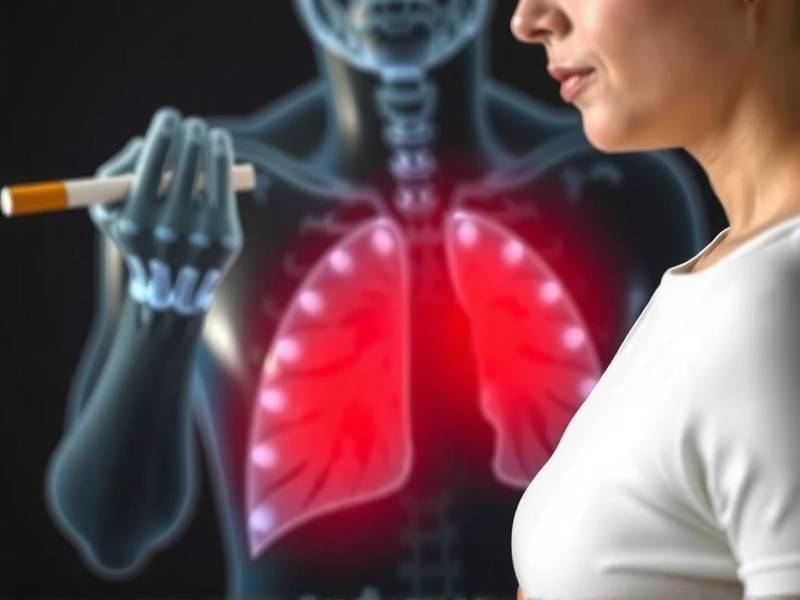
Lung pain refers to discomfort or sharp sensations felt in the chest area. It can range from mild to severe and may be accompanied by other symptoms like coughing, shortness of breath, or fatigue.
Is It Normal to Experience Lung Pain After Quitting Smoking?
Yes, it is normal to experience lung pain after quitting smoking. This discomfort often occurs due to several factors related to the body's healing process.
Reasons for Lung Pain Post-Quitting Smoking
-
Reversal of Nicotine Damage: When you quit smoking, your body starts reversing the damage caused by nicotine. This reversal process can lead to inflammation and pain in the lungs as they heal.
-
Coughing: Quitting smoking often triggers a coughing reflex as your body tries to clear out mucus and tar accumulated in the lungs over time. This coughing can cause discomfort or sharp pain.
-
Breathing Pattern Changes: Smokers often breathe more shallowly than non-smokers. When you quit, your breathing pattern may change, leading to increased lung capacity but also causing temporary discomfort or pain.
-
Increased Oxygen Intake: As your body adjusts to not having nicotine, it may start taking in more oxygen than usual. This increased oxygen flow can sometimes cause mild lung pain or discomfort.
How Long Does Lung Pain Last?
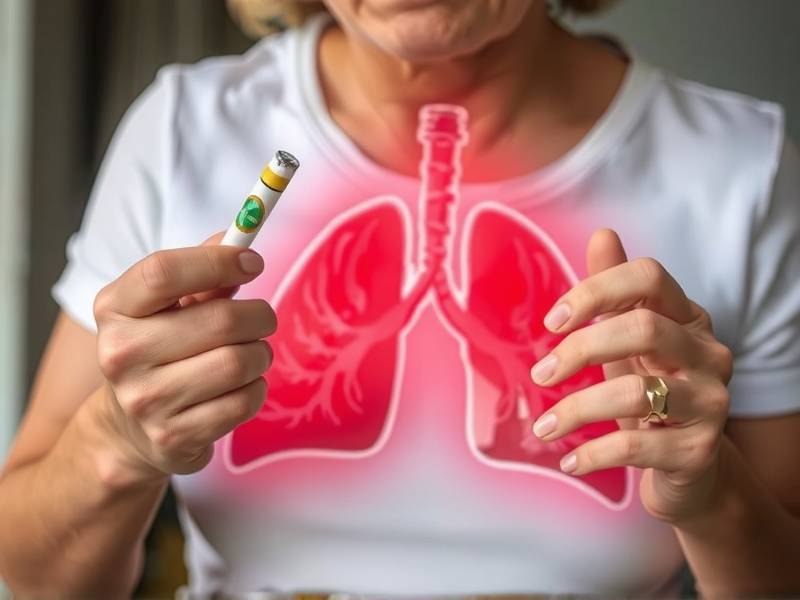
The duration of lung pain post-quit varies from person to person. Some individuals may experience relief within a few weeks, while others may feel discomfort for several months.
Tips for Managing Lung Pain Post-Quit
-
Stay Hydrated: Drinking plenty of water helps in clearing out mucus from the lungs and reducing coughing.
-
Practice Deep Breathing Exercises: Deep breathing exercises can help improve lung capacity and reduce discomfort caused by breathing changes post-quit.
-
Seek Professional Help: If you experience severe lung pain that persists for an extended period, consult a healthcare professional for guidance and treatment options.
Conclusion:
While experiencing lung pain after quitting smoking is common, it doesn't last forever. With time and proper care, your body will heal from nicotine damage, and you'll enjoy improved respiratory health as a result of your decision to quit smoking. Remember that seeking support from friends, family, or support groups can also help make your journey towards a smoke-free life easier and more rewarding.