
Does Quitting Smoking Affect Your Stomach? The Science Behind the Question
Does Quitting Smoking Affect Your Stomach? The Science Behind the Question
Introduction: The journey to quitting smoking is a significant life change for many individuals. While the benefits of quitting are well-documented, there's often speculation about the impact on one's health, particularly in terms of stomach issues. This article delves into the science behind this question, exploring how quitting smoking can affect your stomach and what you can do to manage any potential discomfort.
Understanding the Link Between Smoking and Stomach Issues
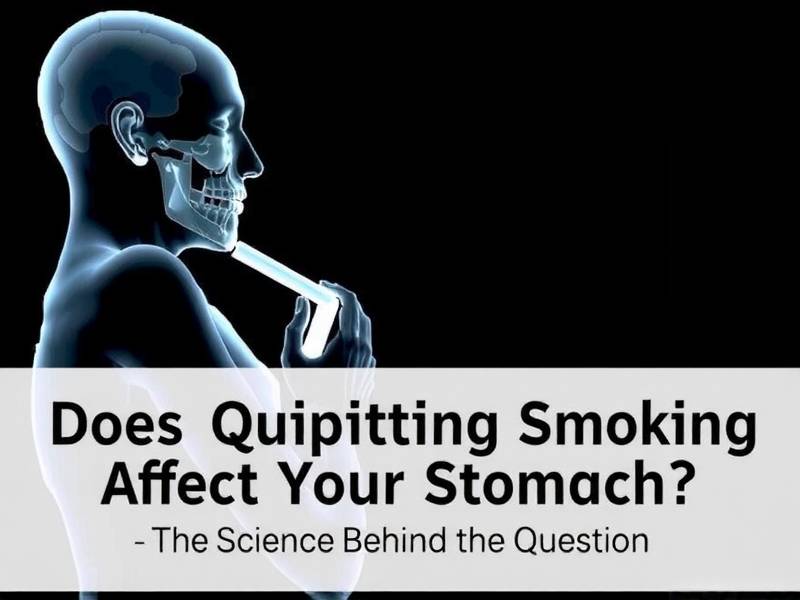
Smoking is known to have adverse effects on the digestive system. When you smoke, harmful chemicals are introduced into your body, which can lead to various gastrointestinal problems. Some of these issues may persist even after quitting smoking.
Common Gastrointestinal Problems Associated with Smoking
-
Heartburn and Reflux Smokers are at a higher risk of developing gastroesophageal reflux disease (GERD), which causes heartburn and acid reflux. The chemicals in cigarettes relax the lower esophageal sphincter, allowing stomach acid to flow back into the esophagus.
-
Irritable Bowel Syndrome (IBS) Research suggests that smokers may be more susceptible to IBS, a condition characterized by abdominal pain, bloating, and changes in bowel habits.
-
Gastritis Chronic inflammation of the stomach lining can occur due to smoking, leading to symptoms such as nausea, vomiting, and abdominal pain.
How Quitting Smoking Can Impact Your Stomach
-
Improvement in Digestive Function Once you quit smoking, your body begins to heal from the damage caused by tobacco use. This healing process can lead to improved digestive function and a decrease in gastrointestinal symptoms over time.
-
Weight Gain and Its Impact on Stomach Health Many smokers gain weight after quitting due to increased appetite or stress-related eating. Weight gain can exacerbate stomach issues such as heartburn or GERD.
Managing Stomach Discomfort After Quitting Smoking
-
Monitor Your Diet Avoid foods that trigger heartburn or acid reflux, such as spicy or fatty foods.
-
Stay Hydrated Drinking plenty of water can help keep your digestive system running smoothly.
-
Exercise Regularly Physical activity can improve digestion and reduce stress levels associated with quitting smoking.
-
Consider Over-the-Counter Medications If you experience heartburn or acid reflux after quitting smoking, over-the-counter antacids or proton pump inhibitors may provide relief.
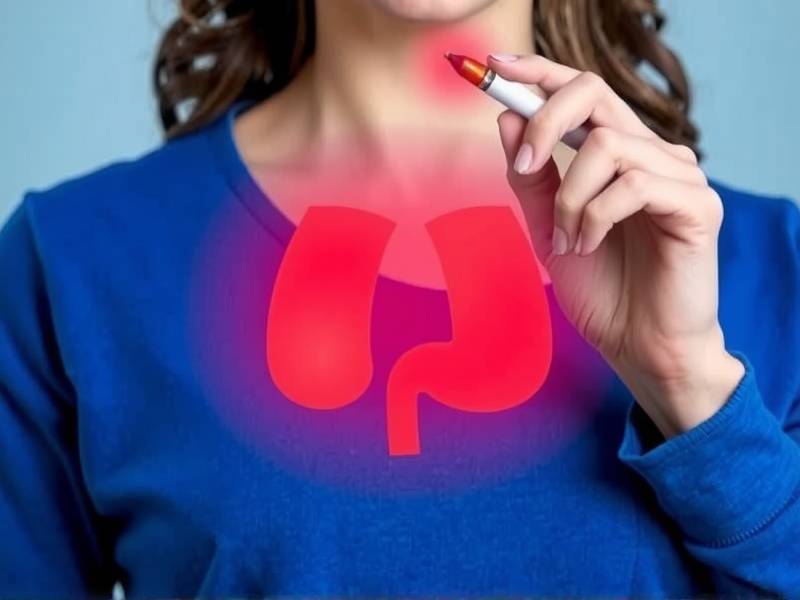
Conclusion: Quitting smoking has numerous health benefits, including a reduced risk of gastrointestinal issues. While some discomfort may arise during the process of quitting smoking, understanding these potential effects and taking appropriate measures can help ensure a smoother transition towards better overall health. Remember that seeking support from healthcare professionals is essential if you encounter persistent stomach problems while trying to quit smoking.