
Does Quitting Smoking Really Make You Sweat More? The Science Behind the Question
Introduction: A Common Concern Among Ex-Smokers
As the saying goes, "quitting smoking is easier said than done." For many individuals who have embarked on the journey to quit smoking, one of the most common concerns is whether they will sweat more after giving up this habit. This article delves into the science behind this question and provides insights into what actually happens to the body when you stop smoking.
The Role of Nicotine in Body Temperature Regulation
Nicotine, a key component of tobacco products, plays a significant role in regulating body temperature. When you smoke, nicotine enters your bloodstream and affects the hypothalamus – the part of your brain that controls body temperature. This leads to an increase in blood flow and sweating as a means to cool down.
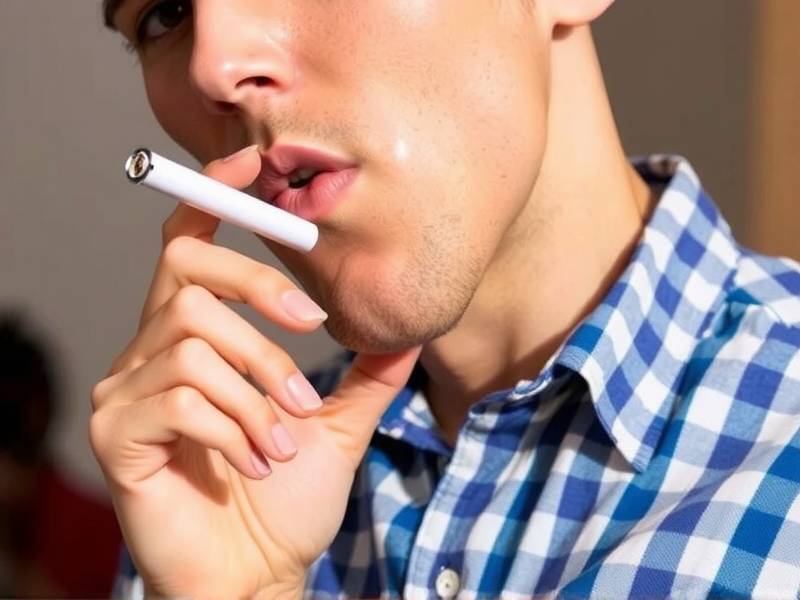
What Happens When You Quit Smoking?
When you quit smoking, your body begins to adjust to life without nicotine. As a result, several physiological changes occur that may contribute to an increased sense of sweating:

1. Nicotine Withdrawal
Nicotine withdrawal is a common experience for those trying to quit smoking. During this period, your body craves nicotine, leading to various symptoms such as irritability, anxiety, and increased sweating.
2. Increased Blood Flow
Without nicotine stimulating your brain's reward centers, blood flow returns to normal levels. This increased blood flow can lead to more sweating as your body works harder to regulate its temperature.
3. Improved Lung Function
As your lungs heal from years of smoking damage, they become more efficient at oxygenating your blood. This improved oxygenation can lead to an increase in sweating as your body works harder to dissipate excess heat.
The Temporary Nature of Increased Sweating
It's important to note that increased sweating after quitting smoking is generally a temporary phenomenon. Over time, as your body adjusts to life without nicotine and its associated effects on body temperature regulation, you may notice a decrease in excessive sweating.
Conclusion: Embrace the Challenges and Reap the Benefits
While it's true that quitting smoking may cause an increase in sweating initially, it's crucial not to let this concern deter you from making this life-changing decision. Remember that the benefits of quitting smoking far outweigh any temporary discomforts you may experience during withdrawal.
By understanding the science behind these changes and being prepared for them, you'll be better equipped to handle them with ease. Take comfort in knowing that as time progresses and your body adjusts, these symptoms will likely diminish.
So why not take that first step towards a healthier lifestyle? Your future self will thank you for it!