
Will Quitting Smoking Really Increase Lung Capacity?
Will Quitting Smoking Really Increase Lung Capacity?
Introduction: The question of whether quitting smoking can increase lung capacity is a common concern among smokers looking to improve their health. While the idea may seem straightforward, the reality is a bit more complex. In this article, we'll explore the evidence behind this question and provide insights into how quitting smoking can potentially lead to improved lung function.
Understanding Lung Capacity
Before we delve into the impact of quitting smoking on lung capacity, it's important to understand what lung capacity is. Lung capacity refers to the total amount of air your lungs can hold after a maximal inspiration. It's influenced by several factors, including age, sex, height, and overall fitness level.
The Effects of Smoking on Lung Capacity
Smoking has been proven to have detrimental effects on lung capacity. The harmful chemicals in cigarettes cause inflammation and damage to the delicate tissues in the lungs, leading to a decrease in lung function over time. This damage can manifest as shortness of breath, reduced exercise tolerance, and an increased risk of developing chronic respiratory diseases like chronic obstructive pulmonary disease (COPD).
Quitting Smoking and Improved Lung Function
Now that we know smoking can harm lung capacity, let's explore how quitting smoking might help improve it.
-
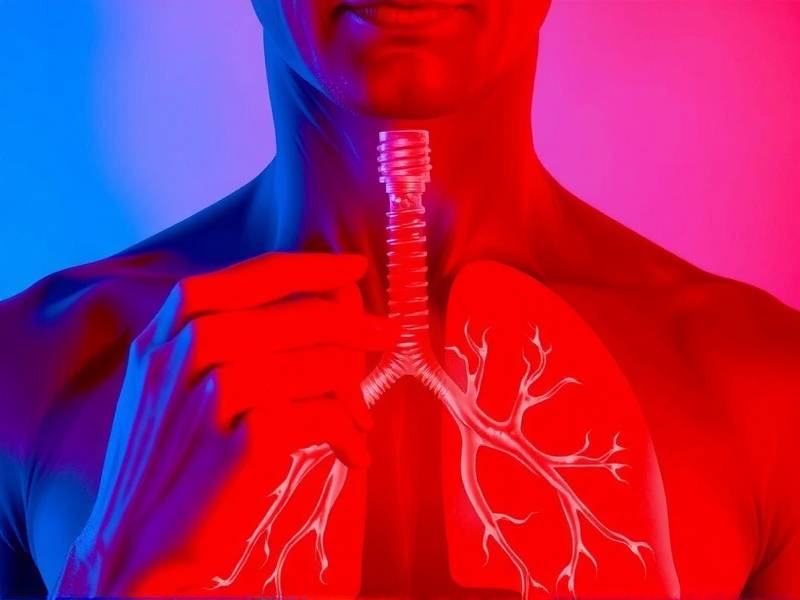
Reversal of Damage Research suggests that quitting smoking can help reverse some of the damage caused by tobacco use. Within just a few weeks after quitting, your lungs begin to heal from the inflammation caused by smoking. Over time, this healing process can lead to improved lung function.
-
Increased Oxygen Levels Smoking reduces oxygen levels in your blood. When you quit smoking, your blood becomes richer in oxygen, which helps improve overall health and potentially enhance lung function.
-
Enhanced Cilia Function Cilia are tiny hair-like structures that line your airways and help remove mucus and foreign particles from your lungs. Smoking damages these cilia, making them less effective at protecting your lungs from infection and irritants. Quitting smoking allows these cilia to regenerate and function better.
-
Reduced Risk of COPD As mentioned earlier, smoking increases the risk of developing COPD—a chronic condition that causes severe breathing problems over time. By quitting smoking, you reduce this risk and potentially prevent or slow down the progression of COPD.
Conclusion:
In conclusion, there is substantial evidence to suggest that quitting smoking can indeed increase lung capacity over time. While it may take several years for significant improvements in lung function to be noticed, making the decision to quit is a crucial step toward better health for smokers looking to breathe easier and live longer.
Remember that improving lung capacity is just one benefit among many when you quit smoking. By doing so, you also reduce your risk of heart disease, stroke, cancer, and other serious health conditions associated with tobacco use.
For more information on quitting smoking and improving your health, visit Your戒烟网's resource page. Take control of your health today!