
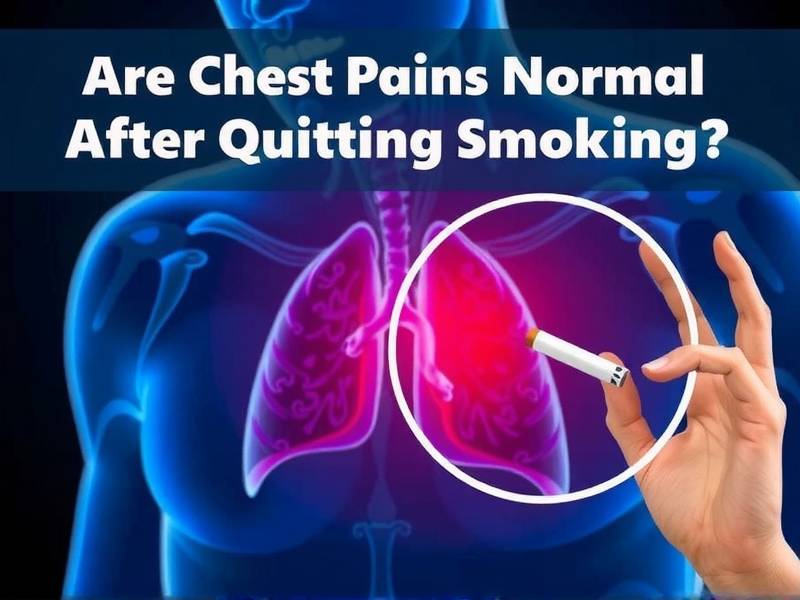
Are Chest Pains Normal After Quitting Smoking?
Understanding Chest Pains After Smoking Cessation: Common Questions and Answers
Introduction: Quitting smoking is a significant step towards a healthier lifestyle. However, many individuals experience various withdrawal symptoms, including chest pain. It is natural to wonder if these chest pains are normal after quitting smoking. In this article, we will explore the causes of chest pain after quitting smoking and provide some insights to help you understand this phenomenon.
What Causes Chest Pains After Quitting Smoking?

-
Nicotine Withdrawal: One of the primary reasons for chest pain after quitting smoking is nicotine withdrawal. Nicotine is a stimulant that affects the heart rate and blood pressure. When you stop smoking, your body adjusts to the absence of nicotine, leading to changes in heart rate and blood pressure, which can cause chest discomfort.
-
Increased Oxygen Supply: When you quit smoking, your body starts to repair the damage caused by carbon monoxide (CO). As your lungs clear out CO and other toxins, they become more efficient at oxygenating your blood. This increased oxygen supply can sometimes lead to temporary chest tightness or pain.
-
Muscle Strain: Quitting smoking can also lead to muscle strain due to changes in posture and breathing patterns. This muscle tension can manifest as pain in the chest area.
-
Other Health Conditions: It's important to note that while many cases of post-quitting chest pain are related to withdrawal symptoms or increased oxygen supply, other health conditions may also cause similar symptoms. These include heart disease, lung disease, or musculoskeletal issues.
Yes, chest pains after quitting smoking are relatively common and usually not a cause for concern. However, it's essential to monitor any persistent or severe discomfort and consult a healthcare professional if needed.
How Long Do Chest Pains Last After Quitting Smoking?
The duration of chest pain after quitting smoking varies from person to person. Some individuals may experience relief within a few days or weeks, while others might take several months for the symptoms to subside completely.
Tips for Managing Chest Pain After Quitting Smoking:
- Stay Hydrated: Drinking plenty of water can help flush out toxins from your body.
- Exercise Regularly: Gentle exercise can improve lung function and reduce muscle tension.
- Practice Deep Breathing Techniques: Deep breathing exercises can help alleviate stress and reduce chest tightness.
- Seek Support: Joining a support group or speaking with a healthcare professional can provide guidance and emotional support during your quit journey.
Conclusion:
Chest pains after quitting smoking are often a sign of your body healing from years of tobacco use. While they may be uncomfortable initially, they are usually temporary and indicate positive changes happening within your body. By staying hydrated, exercising regularly, practicing deep breathing techniques, seeking support when needed, and monitoring any persistent symptoms closely with healthcare professionals, you can navigate through this phase smoothly on your path towards better health.
Remember that every individual's experience is unique when it comes to quitting smoking; therefore, it's essential to tailor your approach based on personal needs and circumstances.